





Hastelloy Alloy
GNEE steel group is a supply chain integrated enterprise including steel plate, coil, profile, outdoor landscape design and processing. Founded in 2008, with 5 million RMB registered capital, Gnee has made impressive progress and development in steel market with Gnee People more than 10 years hard fighting. At present, the total investment amount reaches 30 million RMB, workshop area more than 35000㎡, with over 200 employees. Gnee is becoming the most professional international steel supply chain company in China central plains with explicit strategic framework, integrated governance structure, firm management foundation, abundant fund and human power.
Group has 5 subsidiary corporations, located in Anyang, Tianjin, Hongkong and Singapore countries and districts. Headquarters is in hometown of oracle in Henan province, location of world cultural heritage" Yin Ruin", Anyang city, one of eight ancient capitals of China.
Why Choose Us
High quality
Our products are manufactured or executed to very high standards, using the finest materials and manufacturing processes.
Competitive Price
We offering a higher-quality product or service at an equivalent price. As a result we have a growing and loyal customer base.
Rich experience
Our company has many years of production work experience. The concept of customer-oriented and win-win cooperation makes the company more mature and stronger.
Global shipping
Our products support global shipping and the logistics system is complete, so our customers are all over the world.
After-sale service
Professional and thoughtful after -sales team, let you worry about us after -sales Intimate service, strong after -sales team support.
Advanced equipment
A machine, tool or instrument designed with advanced technology and functionality to perform highly specific tasks with greater precision, efficiency and reliability.


What Is Hastelloy Alloy?
Hastelloy metal is a kind of nickel based alloy. Hastelloy Alloy can be divided into two groups; one contains more molybdenum and the other contains more chromium. They all have excellent resistance to strong oxidizing solutions and high durability in reducing agents. Because of the low carbon content and less carbide precipitation during welding, they also have the ability to resist intergranular corrosion.
Hastelloy metal is mainly used in the metal industry, rather than in the full form of nickel-chromium-molybdenum alloys. Hastelloy Alloy components include molybdenum, chromium, iron, tungsten, cobalt, manganese, copper, vanadium, phosphorus, silicon, and sulfur.
High temperature resistance
Hastelloy alloy can withstand high temperatures, making it ideal for applications such as gas turbine blades, jet engine parts, and industrial furnaces.
Corrosion resistance
Hastelloy alloy has excellent resistance to a wide range of corrosive environments, including oxidizing and reducing media, pitting, and stress corrosion cracking. This makes it suitable for use in chemical processing, oil and gas production, and other industrial applications.
Strength and ductility
Hastelloy alloy has high strength and ductility, which allows it to withstand mechanical stress and high-temperature environments.
Wear resistance
Hastelloy alloy has good wear resistance, which makes it suitable for use in applications where wear is a concern, such as in bearings and bushings.
Formability
Hastelloy alloy can be easily formed into complex shapes, making it suitable for use in a wide range of applications.
Heat resistance
Hastelloy alloy has good heat resistance, which makes it suitable for use in high-temperature environments, such as in industrial furnaces and heat exchangers.
Types of Hastelloy Alloy


1.B-type alloys
B-type alloys are known for their high percentages of nickel and molybdenum. Like nickel, molybdenum offers high resistance to corrosion. It is notable for its ductility and has one of the highest melting points of all the naturally occurring elements. These alloys are formulated to withstand extreme reducing conditions, such as environments with hydrochloric, hydrobromic, and sulfuric acids.
B-2 alloy
This grade of alloy typically contains 65 percent nickel, 30 percent of molybdenum, and small percentages of iron, carbon, cobalt, chromium, manganese, silicon, phosphorus, and sulfur. It offers superior corrosion resistance to hydrochloric acids at any concentration or temperature. However, it is not resistant to oxidizing agents.
B-3 alloy
The B-3 alloy has an average composition of 65 percent nickel, 30 percent molybdenum, with trace amounts of manganese, cobalt, and chromium. It provides excellent resistance to pitting and corrosion, along with superior thermal stability compared to the B-2 alloy. Like the B-2 alloy, it is likely to prematurely deteriorate if exposed to oxidizing agents.
2.C-type alloys
Alloys that fall within the C-family have high percentages of nickel, molybdenum, and chromium. The addition of chromium increases the formability of these types of alloys, allowing them to withstand elevated temperatures and reducing atmospheres. Most C-type alloys can be formed using different cold and hot working methods, such as deep drawing, press forming, and punching.
C-4 alloy
The C-4 alloy consists of about 60 percent nickel, 18 percent chromium, 16 percent molybdenum, 3 percent iron, and 2 percent cobalt. The remainder comprises silicon, sulfur, carbon, titanium, and other elements. Along with corrosion resistance, it has a high ductility, which makes it suitable for deep drawing.
C-22 alloy
The C-22 alloy is one of the most used alloys for flue gas desulfurization systems and pharmaceutical reaction vessels. Usually, it contains about 58 percent nickel, 20 percent chromium, 13 percent molybdenum, 3.5 percent iron, 3 percent tungsten, and 2.5 percent cobalt, along with other trace elements. It is widely used for its weldability; however, it should not be used in environments exceeding 1,250ºF.
C-276 alloy
This type of alloy is the standard for petrochemical processing applications. Most of its composition is nickel. However, it contains an average of 16 percent molybdenum, 15 percent chromium, 5.5 percent iron, 4 percent tungsten, and minute percentages of other elements. It provides excellent resistance to pitting, intergranular corrosion, and oxidizing agents. However, it does not perform well in environments with hot concentrated nitric acid.
3.G-type alloys
G-type alloys typically contain tungsten, which has the highest melting point of all metals. This family of alloys can be welded using certain techniques, such as gas tungsten arc welding, submerged arc welding, and shielded metal arc welding.
G-3 alloy
This alloy has high percentages of tungsten and molybdenum, which makes it resistant to corrosion. On average, it consists of 22 percent chromium, 20 percent iron, 7 percent molybdenum, and a maximum of 5 percent cobalt. It contains trace amounts of other elements, with nickel being the dominant trace ingredient.
G-30 alloy
The G-30 grade is about 40 percent nickel, 30 percent chromium, 15 percent iron, and 5 percent cobalt, with traces of other elements. It is especially resistance to wet process phosphoric acid.
4.X-type alloys
Hastelloy X alloy (UNS N06002): It has superior oxidation resistance, high-temperature strength, and SCC resistance. Chemically Hastelloy X contains 44% Nickel, 23% Chromium, 20% iron, 10% molybdenum, 1% of Manganese and Silicon, and traces of other elements. They can be cold-worked and welded. This type of Hastelloy material is used for industrial furnace and gas turbine applications.
5.Hastelloy N (UNS N10003)
Hastelloy N contains 71% nickel, 16% molybdenum, 7% chromium, 5% iron, 1% silicon, and traces of other elements. Due to its higher temperature oxidation resistance properties, Hastelloy N is used in industrial applications like chemical process equipment.
Aerospace: Hastelloy alloy is used in the production of gas turbine blades, jet engine parts, and other high-temperature components in the aerospace industry.
Chemical processing: Hastelloy alloy is commonly used in the chemical processing industry for the manufacture of reactors, heat exchangers, and other process equipment due to its excellent resistance to corrosive chemicals.
Oil and gas: Hastelloy alloy is used in the production of oil and gas equipment, including drilling pipes, wellhead components, and offshore structures due to its resistance to corrosive environments and high mechanical strength.
Power generation: Hastelloy alloy is used in the power generation industry for the manufacture of boiler and steam turbine components due to its high temperature resistance and good mechanical properties.
Pharmaceutical: Hastelloy alloy is used in the production of pharmaceutical equipment, including reactors, pressure vessels, and other process equipment due to its excellent resistance to corrosive chemicals and high purity requirements.
Heat exchangers: Hastelloy alloy is used in the manufacture of heat exchangers due to its high temperature resistance and good thermal conductivity.

Nickel
Nickel is the primary component of Hastelloy alloys and provides excellent high-temperature strength and corrosion resistance.
Chromium
Chromium is added to Hastelloy alloys to provide additional corrosion resistance, particularly against oxidizing environments.
Molybdenum
Molybdenum is added to Hastelloy alloys to enhance their resistance to pitting and crevice corrosion, as well as to improve their strength at high temperatures.
Tungsten
Tungsten is added to some types of Hastelloy alloys to improve their high-temperature stability and creep resistance.
Iron
Iron is sometimes added to Hastelloy alloys to improve their thermal stability and reduce cost.
Cobalt
Cobalt is added to some types of Hastelloy alloys to improve their strength and high-temperature stability.
Titanium
Titanium is added to some types of Hastelloy alloys to improve their resistance to oxidizing environments and high-temperature corrosion.
Process of Hastelloy Alloy
Hastelloy alloy is a type of nickel-based superalloy that is known for its high temperature and corrosion resistance properties. The alloy is composed of several elements, including nickel, chromium, and molybdenum, which work together to provide excellent resistance to a wide range of corrosive environments, including oxidizing and reducing media, pitting, and stress corrosion cracking.
The process of manufacturing Hastelloy alloy typically involves the following steps:
Melting: The primary components of Hastelloy alloy, including nickel, chromium, and molybdenum, are melted together in a furnace. Other elements such as iron, cobalt, and titanium may also be added at this stage, depending on the specific type of Hastelloy alloy being produced.
Casting: The molten Hastelloy alloy is then cast into a specific shape, such as an ingot or billet, depending on the intended application.
Heat treatment: The cast Hastelloy alloy undergoes a heat treatment process to improve its mechanical properties, such as strength and ductility. This process typically involves heating the alloy to a specific temperature and then cooling it slowly to promote the formation of a uniform microstructure.
Forming: The heat-treated Hastelloy alloy is then formed into the desired shape, such as a plate, pipe, or sheet, using various forming techniques, such as rolling, extrusion, or machining.
Finishing: The final step in the manufacturing process is to finish the Hastelloy alloy by removing any surface defects or impurities and applying a protective coating, if necessary, to enhance its corrosion resistance.
Hastelloy alloy is a high-performance material that requires proper maintenance to ensure its longevity and optimal performance. Here are some tips for maintaining Hastelloy alloy.
Regular cleaning: Hastelloy alloy should be cleaned regularly to remove any dirt, oil, or other contaminants that may have accumulated on its surface. This can be done using a mild detergent and warm water, followed by thorough rinsing and drying.
Protection from corrosive environments: Hastelloy alloy should be protected from exposure to corrosive environments, such as acids or saltwater, as much as possible. If exposure is unavoidable, the alloy should be properly sealed or coated to prevent corrosion.
Inspection and testing: Regular inspection and testing of Hastelloy alloy can help identify any signs of corrosion, cracking, or other forms of material degradation. This can help prevent further damage and ensure the alloy is still functioning optimally.
Proper storage: When not in use, Hastelloy alloy should be stored in a dry, clean environment to prevent corrosion and other forms of material degradation. It should be protected from exposure to moisture, chemicals, and other potential contaminants.
Repair and replacement: If any damage or material degradation is detected, it should be repaired or replaced as soon as possible to prevent further damage and ensure the optimal performance of the alloy.
How to Choose Hastelloy Alloy Correctly


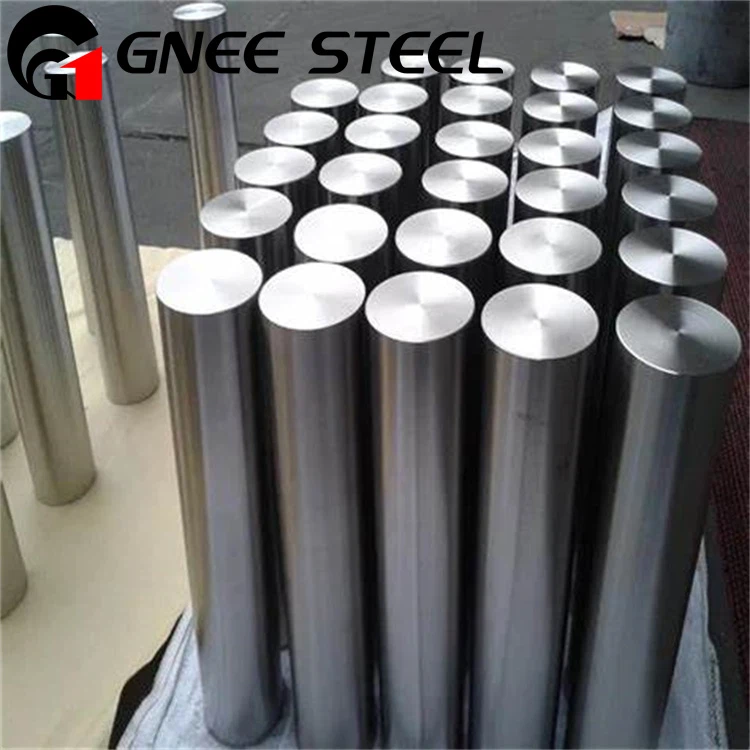

Choosing the correct Hastelloy alloy requires an understanding of the specific application and the properties required of the alloy. Here are some factors to consider when selecting Hastelloy alloy.
Corrosion resistance: The primary advantage of Hastelloy alloy is its excellent corrosion resistance. The alloy should be chosen based on the specific corrosive environment it will be exposed to, such as acids, alkalis, or saltwater. Different Hastelloy alloys have different levels of resistance to various types of corrosion, so it's essential to select the appropriate alloy for the specific application.
Mechanical properties: Hastelloy alloys have varying mechanical properties, such as strength, ductility, and hardness. The alloy should be chosen based on the specific mechanical requirements of the application, such as the need for high strength or ductility.
High-temperature resistance: Hastelloy alloys are known for their high-temperature resistance, but different alloys have different temperature limits. The alloy should be chosen based on the maximum operating temperature of the application.
Fabrication and machinability: Hastelloy alloys can be challenging to machine and fabricate due to their high strength and toughness. The alloy should be chosen based on the specific fabrication and machining requirements of the application.
Cost: Hastelloy alloys can be expensive due to their high-performance properties. The alloy should be chosen based on the budget available for the application, while still ensuring that the necessary properties are met.
How Is Hastelloy Made?
Since Hastelloy is a metal alloy, it is made by combining raw elements together while in the hot liquid state. There are various grades, each containing a specific chemical composition. A mix may contain between 1% and 25% chromium, between 5% and 30% molybdenum and between 0% and 30% iron, with the balance being made up with nickel. Extra additives can include carbon, tungsten, vanadium and titanium, depending on the grade.
Once the metals are combined, smelted and mixed together they can be cast accordingly for further manufacturing.
C22
Hastelloy C276 (N10276) and C22 (N06022) In simple terms, the similarities and differences of the alloys are roughly similar and slightly different.
First, let’s take a look at the difference between the two materials.
C276 main components: 57NI-16MO-16CR-5FE-4W-2.5CO-1MN-0.35V-0.08SI-0.01C
C22 main components: 56NI-13MO-22CR-3FE-3W-2.5CO-0.5MN-0.35V-0.08SI-0.01C
It can be seen from the above that the main elements are not very different, especially in the context of NI, FE, and CO, Mo and Cr are slightly different.
C22 is more resistant to local corrosion than 276, which can be understood as an upgraded version of 276.
In addition, Special Steel 100 Seconds also lists the difference between the two types of solder.
C276 welding material is welding wire ERnicrmo-4, welding rod Enicrmo-4
C22 welding material is welding wire ERnicrmo-10, welding rod Enicrmo-10
1. In terms of the difficulty of purchasing: C276 is easier to buy in the spot market, with complete specifications, and C22 has only one or two alloy stockists.
2. In terms of use: C22 is better, but in general, both can be used in most working conditions.
3. In terms of material cost: The main components are not very different and should be calculated according to the cost. The density of C22 alloy (8.7) is lower than that of C276 alloy (8.9), which should be higher than that of C276. However, due to the lower cost, C22 cannot form a mass production supply, and the cost is higher than that of C276.
What Is the Difference Between Hastelloy and Hastelloy C?
Hastelloy is a family of nickel-based alloys that are known for their excellent corrosion resistance and high-temperature strength. Within the Hastelloy family, there are different grades or variations, including Hastelloy C.
The main difference between Hastelloy and Hastelloy C lies in their composition and specific properties. Hastelloy C refers to a specific grade within the Hastelloy family, known as Hastelloy C-276. Here are some key differences.
Composition: Hastelloy is a general term for the family of alloys, while Hastelloy C-276 (Hastelloy C) is a specific grade. Hastelloy C-276 is primarily composed of nickel, molybdenum, and chromium, with smaller amounts of other elements such as iron and tungsten. The exact composition may vary slightly depending on the specific manufacturer.
Corrosion resistance: Both Hastelloy and Hastelloy C-276 offer excellent corrosion resistance in a wide range of aggressive environments, including acids, chlorides, and oxidizing media. However, Hastelloy C-276 is particularly known for its exceptional resistance to corrosion in highly corrosive environments, such as sulfuric acid, hydrochloric acid, and seawater.
Applications: Hastelloy alloys, including Hastelloy C-276, are widely used in various industries, including chemical processing, petrochemical, oil and gas, pharmaceutical, and pollution control. They are commonly used in applications where resistance to corrosion and high-temperature strength are critical.
Weldability: Hastelloy C-276 has good weldability and can be easily welded using common welding techniques. However, it is important to follow proper welding procedures to maintain the desired corrosion resistance of the alloy.
Availability: Hastelloy C-276 is one of the most widely available grades within the Hastelloy family. It is commonly stocked by suppliers and readily available in various forms, such as sheets, plates, bars, pipes, and fittings.
Hastelloy Alloys Temperature Range
|
HASTELLOY B-3 alloy |
400 – 450 Deg C (750 – 840 Degree F) |
|
C-22 |
400 – 450Deg C (750 – 840 Degree F) |
|
C-276 |
870 – 1230Deg C (1600 – 2250 Degree F) |
|
N alloy |
704 to 871Deg C (1300 to 1600 Degree F) |
|
HAYNES 25 alloy |
980Deg C (1800 Degree F) |
|
HAYNES 188 alloy |
1095Deg C (2000 Degree F) |
Our Factory
Gnee is becoming the most professional international steel supply chain company in China central plains with explicit strategic framework, integrated governance structure, firm management foundation, abundant fund and human power.


FAQ
Q: What kind of material is Hastelloy?
Q: Is Hastelloy a stainless steel?
Q: Is Monel and Hastelloy same?
Q: What is another name for Hastelloy?
Q: How can you tell the difference between stainless steel and Hastelloy?
Q: Which is better Inconel or Hastelloy?
Q: What is the most common Hastelloy?
There are many Hastelloy grades, but C276 is one of the most popular grades. This grade is commonly used in the harsh environments mentioned above as well as paper and pulp production and waste treatment.
Q: Is nickel alloy the same as Hastelloy?
Q: What is Hastelloy good for?
Q: Is Hastelloy magnetic or not?
Q: Is Hastelloy a super alloy?
Q: What is the difference between Hastelloy c276 and 625 alloy?
Q: Does Hastelloy contain copper?
Q: Is Hastelloy easy to machine?
Q: What is the difference between Hastelloy and Hastelloy c?
Q: What is the difference between Hastelloy C22 and C276?
Q: What is the difference between Hastelloy c and Hastelloy c22?
Q: What is another name for Hastelloy?
Q: What is Hastelloy good for?
Q: What are the benefits of Hastelloy?