




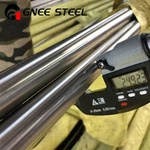

High Temperature Alloy
High Temperature Nickel Superalloy Manufacturer
A specialized procurement expert and manufacturer with 18 years of deep experience in the high-temperature alloy sector. We offer a comprehensive range of GH-series wrought superalloys, including solid-solution strengthened grades (GH3030, GH3039, GH3044) and precipitation-hardened grades (GH4169, GH4090).
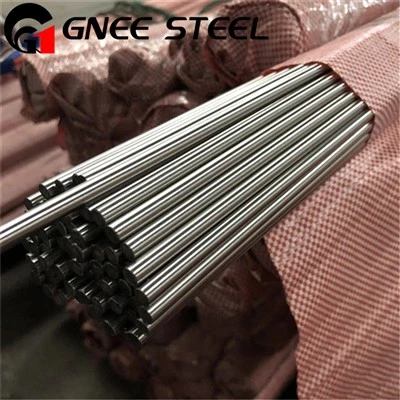
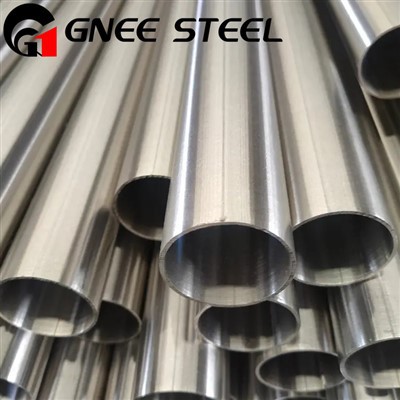
We maintain ready stock of round bars, cold-rolled sheets, and seamless pipes. Our products are manufactured using the VIM+ESR dual-melting process, undergo full-scope non-destructive testing (NDT), and come with 3.1/3.2 material certificates (MTC).
We serve industries such as aerospace, gas turbines, oil & gas, and industrial furnaces, with products exported to Russia, the CIS, the EU, the Middle East, and Southeast Asia. Contact us for a free alloy selection guide and complete technical data sheets.
Markets
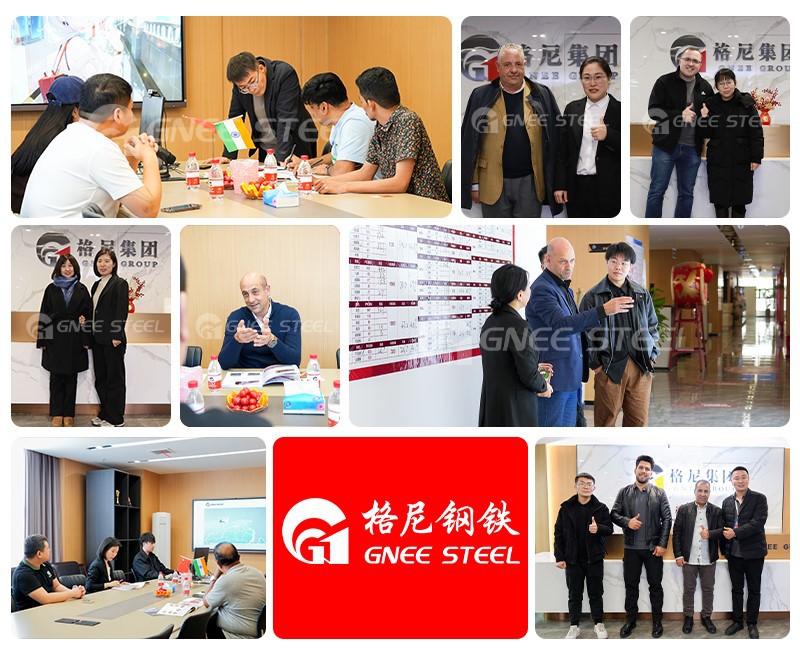
Our products are exported to over 20 countries, including Russia, Kazakhstan, Canada, Argentina, Spain, Brazil, Pakistan, South Korea, the UAE, Saudi Arabia, and India.
Our Products
GNEE Alloy offers a complete range of nickel-based alloy products, including plates, coils, tubes, bars, and fittings. Our products are made from premium materials and designed to meet the highest standards of performance and durability. We also offer custom manufacturing services, tailoring products to specific customer needs.
100%
Full Batch NDT Inspection
7-15 Days
Stock Order Lead Time
5+
Regional Standards Covered
24h
Quick Response Service
Gnee Alloy’s Solutions for Six Common Buyer Pain Points
Pain Point 1: Inconsistent chemical composition between batches, leading to stamping cracks, premature oxidation, or creep failure
Solution: Standardized vacuum melting processes and heat treatment profiles for every batch; trace impurity levels (S, P, Fe, etc.) controlled far beyond national standards; full-spectrum analysis and high-temperature performance test reports included with every shipment
Pain Point 2: Long lead times for urgent, small-batch MRO (Maintenance, Repair, and Operations) restocking, causing losses due to factory downtime
Solution: 200,000-ton inventory of superalloys maintained; standard products shipped within 7–15 working days; dedicated priority production lines for urgent orders
Pain Point 3: Incomplete certification documentation hindering supplier audits and cross-border customs clearance
Solution: Free 3.1 Material Test Certificates (MTC) provided; optional SGS/TUV 3.2 witness inspection available; export licenses for dual-use items, Certificates of Origin (CO), and Russian compliance certification documents provided
Pain Point 4: Difficulty selecting the right superalloy grade for complex temperature and load conditions
Solution: Free one-on-one metallurgical drawing reviews; detailed superalloy grade comparison data sheets provided immediately upon inquiry
Pain Point 5: High costs for imported equivalent superalloys
Solution: Direct supply from the manufacturer with no middleman markups; two melting grades available to suit different procurement budgets
Pain Point 6: Lack of professional technical guidance on welding, stamping, and aging treatments
Solution: Free consultation on processing parameters provided by senior superalloy metallurgical experts with over 18 years of experience






Gnee Alloy’s Key Export Markets for High-Temperature Alloys
Based on 18 years of cross-border export data for GH alloys, distinct requirements regarding tendering and certification apply to different regions:
| Region / Market | Key Procurement Characteristics |
|---|---|
| Russia & CIS Countries (Largest demand market for GH alloys) | Large annual framework orders; mandatory VIM+ESR (Vacuum Induction Melting + Electroslag Remelting) aviation‑grade standard for military aviation projects; Russian ЭИ (EI) grade equivalence certificate and complete dual‑use export license required. |
| India & Pakistan | Mix of small trial orders and annual bulk contracts; price‑sensitive; industrial‑grade VIM material acceptable for non‑core components. |
| Middle East (UAE / Saudi Arabia / Iran) | Priority for MRO (Maintenance, Repair & Operations) emergency replenishment; strict requirement for 3.2‑grade third‑party (SGS/TUV) Material Test Certificate (MTC) audit. |
| Southeast Asia (Vietnam / Thailand) | Serving local component foundries; low MOQ (Minimum Order Quantity) requirements; priority for 7‑15 day rapid ex‑stock delivery. |
| Western Europe (Germany / France) | Serving civil aviation and semiconductor OEMs; demand for BA (Bright Annealed) ultra‑thin sheets; full witness inspection required for each batch. |
Contact us to create a tailored solution for your project
High temperature alloy description
High-Temperature Nickel-Based Alloys | Global One-Stop Supplier of GH-Series Bars, Sheets, and Seamless Pipes
With 18 years of extensive experience in multinational high-temperature alloy tender evaluation, OEM material certification, global MRO (Maintenance, Repair, and Operations) emergency restocking, and supplier audit coordination, I have supported procurement teams across the aerospace, power generation, petrochemical, and industrial furnace sectors worldwide.
Gnee Alloy deeply understands the key tender criteria, potential batch quality risks, export compliance requirements, and material selection challenges that concern global design and procurement engineers.
To facilitate product selection, our GH-series high-temperature alloys are categorized into two core technical groups:
Solid-solution strengthened GH grades (GH3030 / GH3039 / GH3044): Requiring only solid-solution heat treatment, these grades offer excellent cold-forming ductility and superior high-temperature oxidation resistance; they are designed for thin-walled components subjected to static or moderate cyclic loads at temperatures below 1100°C.
Precipitation-hardened GH grades (GH4169 / GH4090)
Subjected to double-aging heat treatment, these grades exhibit outstanding creep resistance and tensile strength under sustained high loads, making them ideal for rotating hot-section engine components, high-temperature fasteners, and elastic elements.
Our factory maintains substantial stock of five mainstream GH alloys, offering three core product forms: round bars/forging billets, cold-rolled sheets, and seamless pipes. All grades are available in two melting standards (VIM industrial grade or VIM+ESR aerospace premium grade). Our products fully comply with GB/T 14992, GJB (Chinese military aerospace) standards, and AMS or Russian EI-series specifications; we also provide complete dual-use export documentation to meet shipping requirements for major industrial markets worldwide.

Click to view our professional certifications for GH Alloy
Gnee Alloy: Two Core High-Temperature Alloy Technology Series (GH Alloys)
Solid-Solution Strengthened Superalloys (GH3030 / GH3039 / GH3044) – Key Characteristics
Heat Treatment Requirements: Single solution treatment only; no aging treatment required
Core Advantages: Excellent oxidation resistance; superior plasticity for stamping and welding
Operating Temperature Range: 800°C (GH3030) / 850°C (GH3039) / 900–1100°C (GH3044)
Typical Applications: Stationary thin-walled liners, combustion chamber casings, furnace heat shields, low-load heat pipes
Precipitation-Hardened Superalloys (GH4169 / GH4090) – Key Characteristics
Heat Treatment Requirements: Solution treatment followed by two-stage aging treatment required to achieve high load-bearing strength
Core Advantages: Long-term creep and fatigue resistance under high cyclic loads
Operating Temperature Range: ≤700°C (GH4169) / ≤870°C (GH4090)
Typical Applications: Turbine disks, engine fasteners, high-temperature springs, offshore oil and gas downhole components
| Alloy Grade | Max Long Service Temp | Core Competitive Edge | Typical End Industry | Main Product Forms In Stock |
|---|---|---|---|---|
| GH3030 | 800℃ | Lowest cost, best cold forming | General furnace, low-temp aero parts | Bar, thin sheet, radiant tube |
| GH3039 | 850℃ | Balanced thermal cycle fatigue | Gas turbine baffles, medium-temp liners | Bar, stamping sheet, heat pipe |
| GH3044 | 900~1100℃ | Industry-leading static oxidation | Aero engine flame tubes, ultra-high temp furnace | Large sheet, support bar, gas pipe |
| GH4169 (Inconel718) | 700℃ | Universal high creep strength | Jet turbine, oil & gas downhole, fasteners | All three full product lines |
| GH4090 (Nimonic90) | 870℃ | High temp spring & creep performance | Afterburner elastic parts, high-load fasteners | Precision bar, sealing sheet, thin tube |
Contact our experts to recommend the right alloy for your project
GH Series Product Portfolio – Detailed Breakdown by Grade (Covering Bars, Sheets/Plates, and Tubes)

GH3030 (Nimonic 75 / XH78T / ЭИ435) Solid-Solution Strengthened Alloy
Key Technical Parameters
| Parameter | Specification |
|---|---|
| Standard Heat Treatment | 980 – 1020°C, air cooling |
| Safe Long‑Term Service Temperature | ≤ 800°C |
| Key Advantages | Very low procurement cost; excellent ductility; suitable for large‑scale thin‑wall stamping and forming |
GH3030 Stock Products
| Product Form | Specification Range | Available Finishes / Options |
|---|---|---|
| GH3030 Round Bars | Φ10 – 500 mm | Black‑skin forgings, peeled bars, or precision‑ground bars |
| GH3030 Cold‑Rolled Sheets / Plates | 0.05 – 12 mm | 2B, BA, No.1, or sandblasted finishes |
| GH3030 Seamless Tubes | OD 10 – 320 mm | Stock available for radiant heating tubes and thermocouple protection tubes |
GH3030 Key Application Areas
Aviation low-temperature auxiliary components, industrial furnace linings, oxidation-resistant piping for the chemical industry, general heat treatment tooling and fixtures
GH3039 Solid-Solution Strengthened Alloy for Medium-Temperature Cyclic Service
GH3039 Key Technical Parameters
| Parameter | Specification |
|---|---|
| Standard Heat Treatment | 1080°C, air cooling |
| Continuous Operating Temperature | 800 – 850°C |
| Key Advantages | Excellent thermal shock resistance in environments involving repeated heating and cooling cycles |
GH3039 Stock Products
| Product Form | Typical Size / Inventory | Typical Application |
|---|---|---|
| GH3039 Hot‑Rolled Bars | Small precision bars | Support brackets |
| GH3039 Stamped Sheets | Large inventory stocked | Gas turbine partitions / baffles |
| GH3039 Medium‑Temperature Seamless Tubes | Standard tubing sizes | Furnace heat exchangers |
GH3039 Key Applications
Aviation afterburner heat shields, gas turbine medium-temperature liners, vacuum furnace integral panels


GH3044 (ЭИ868) High-Tungsten Oxidation-Resistant Alloy
GH3044 Key Technical Parameters
| Parameter | Specification |
|---|---|
| Standard Heat Treatment | 1120 – 1160°C, air cooling |
| Static Oxidation Resistance Limit | Up to 1100°C |
| Key Advantage | Offers superior high‑temperature oxidation resistance among all GH‑series solid‑solution strengthened alloy grades |
GH3044 Stock Products
| Product Form | Key Size / Stock Feature | Typical Application |
|---|---|---|
| GH3044 Forged Billet / Bar | Large‑diameter stock | Engine support shafts |
| GH3044 Aerospace Sheet | Aerospace‑grade raw material | Aero‑engine flame tubes |
| GH3044 High‑Temperature Gas Seamless Pipe | Specialized seamless pipe | Combustion gas delivery lines for jet engines |
GH3044 Key Applications
Combustion chamber liners for military and civil aircraft; heat shields for ultra-high-temperature industrial furnaces; static high-temperature gas delivery piping
GH4169 (UNS N07718 / Inconel 718) General-purpose precipitation-hardened alloy
GH4169 Core Technical Parameters
| Parameter | Specification |
|---|---|
| Standard Heat Treatment | 980°C solution treatment + 720°C / 620°C two‑stage aging |
| Service Temperature Range | Maintains stability from cryogenic temperatures up to 700°C |
| Key Advantage | The world's most widely used superalloy, combining excellent creep, corrosion, and fatigue resistance |
GH4169 Stock Products
| Product Form | Key Features | Typical Application |
|---|---|---|
| GH4169 Precision Polished Bar | Precision polished surface; high‑strength blanks | Turbine shafts and high‑temperature fasteners |
| GH4169 Pressure Vessel Plate | Stamping‑grade material | Compressor casings |
| GH4169 Aerospace Hydraulic / Exhaust Seamless Pipe | Dedicated seamless pipe stock | Aero‑engine piping systems (hydraulic and exhaust) |
GH4169 Key Application Areas
Jet turbine discs and blades; downhole tools for offshore oil operations; aircraft landing gear components; high-load fasteners for gas turbines


GH4090 (Nimonic 90 / UNS N07090) High-cobalt creep-resistant alloy
GH4090 Core Technical Parameters
| Parameter | Specification |
|---|---|
| Standard Heat Treatment | 1080°C solution treatment + 700°C / 620°C two‑stage aging |
| Continuous Service Temperature | Up to 870°C |
| Key Advantages | Excellent high‑temperature elasticity and creep resistance; suitable for spring components |
GH4090 Stock Products
| Product Form | Key Features | Typical Application |
|---|---|---|
| GH4090 Precision‑Ground Bars | Precision‑ground surface; high‑strength blanks | Raw material for aerospace high‑temperature springs |
| GH4090 Sealing Sheets | Elastic sheet material | Elastic shielding plates for afterburners |
| GH4090 Small‑Diameter Seamless Tubing | Small‑diameter precision tubes | Protective sleeves for engine sensors |
Key Application Areas for GH4090
Aero-engine wave springs, afterburner sealing rings, and hot-section fasteners for heavy-duty gas turbines
Click to view Gnee Alloy's GH Alloy Product stock list
How are Superalloys Manufactured?
The production of superalloys concerns a complex metallurgical process typically aimed at achieving the optimal properties by the material. Along these lines, some main steps are:
Vacuum Induction Melting (VIM): The Melting of raw metal pieces is carried out inside a vacuum to avoid contamination and to allow for the control of the whole composition.
Electroslag Remelting (ESR): This technology remits the superalloy by eliminating impurities and enhancing its microstructure.
Directional Solidification: A procedure mainly used to obtain single crystal or columnar grained structures that promote mechanical properties.
Powder Metallurgy: High-pressure sintering methods are employed to consolidate superalloy powders to create dense and complicated, higher strength components.


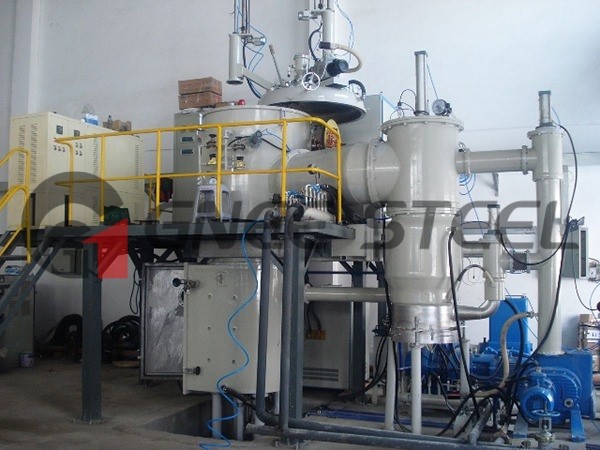
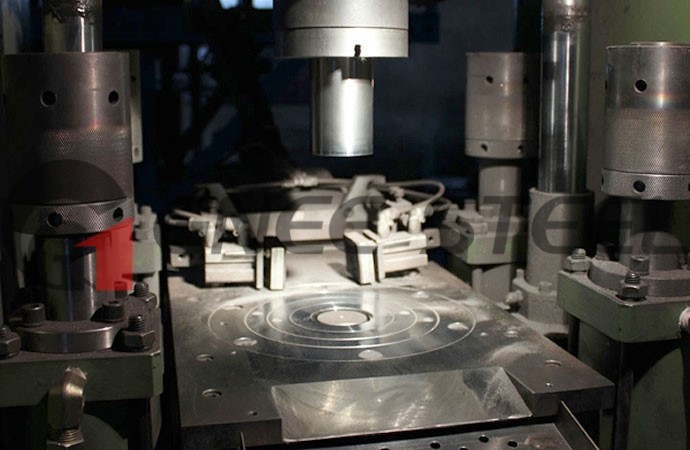
By these production techniques, superalloys are made capable of preserving their properties because they are essential for critical applications.
Contact us to learn about our GH Alloy production process
Applications of Superalloys
Aerospace: Due to their excellent oxidation resistance and high-temperature strength, they can be used to manufacture jet engines, turbine blades, and exhaust systems;
Power Generation: Used in gas turbines and nuclear reactors, where materials must withstand extremely high temperatures and pressures;
Automotive Industry: Used to manufacture turbochargers and exhaust valves to improve vehicle performance and durability;
Oil and Gas Industry: Due to their ability to withstand corrosive environments and pressures, they can be used to manufacture drilling platforms and pipelines.
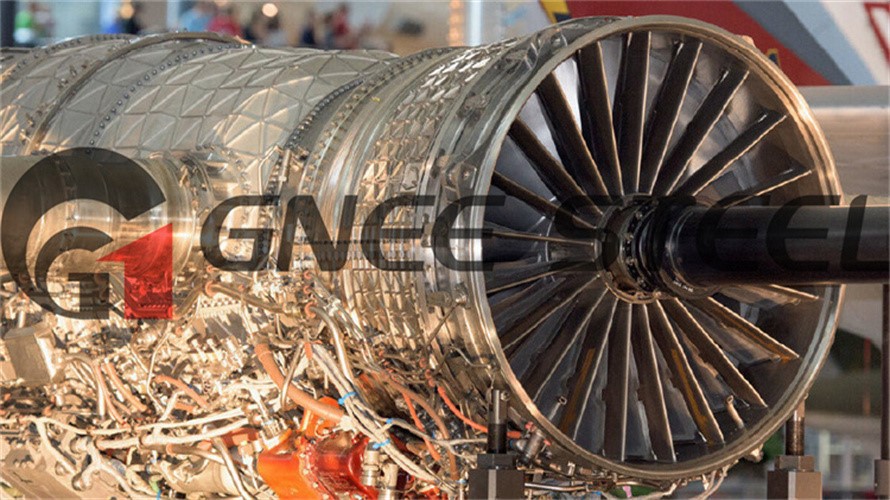
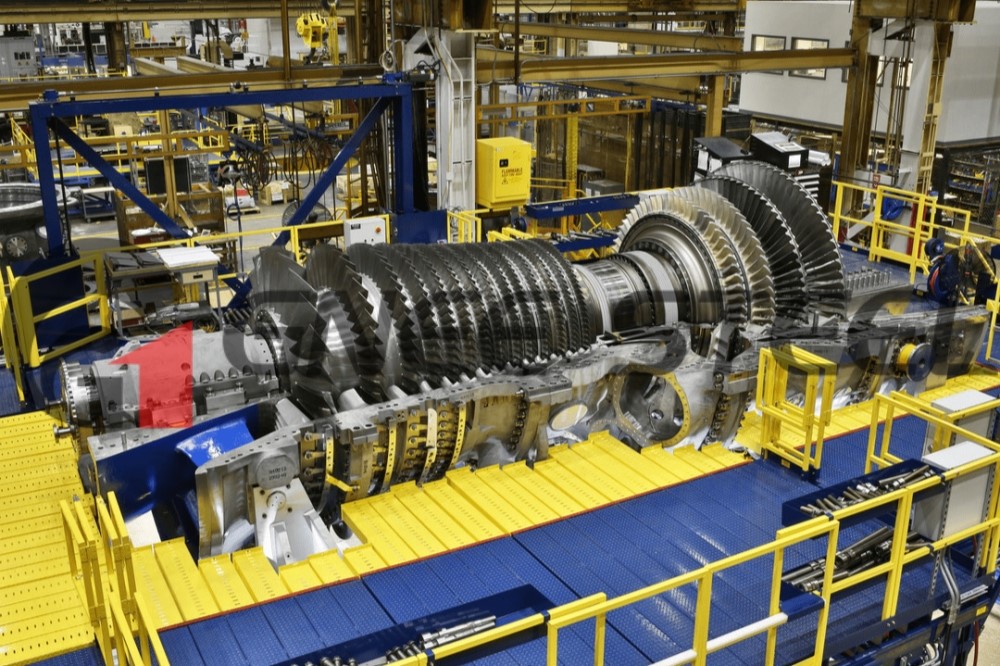


Gnee Alloy: High-Temperature Alloy Testing and Production


Click to view actual photos of our GH products
Gnee Alloy GH Alloy Product Packaging
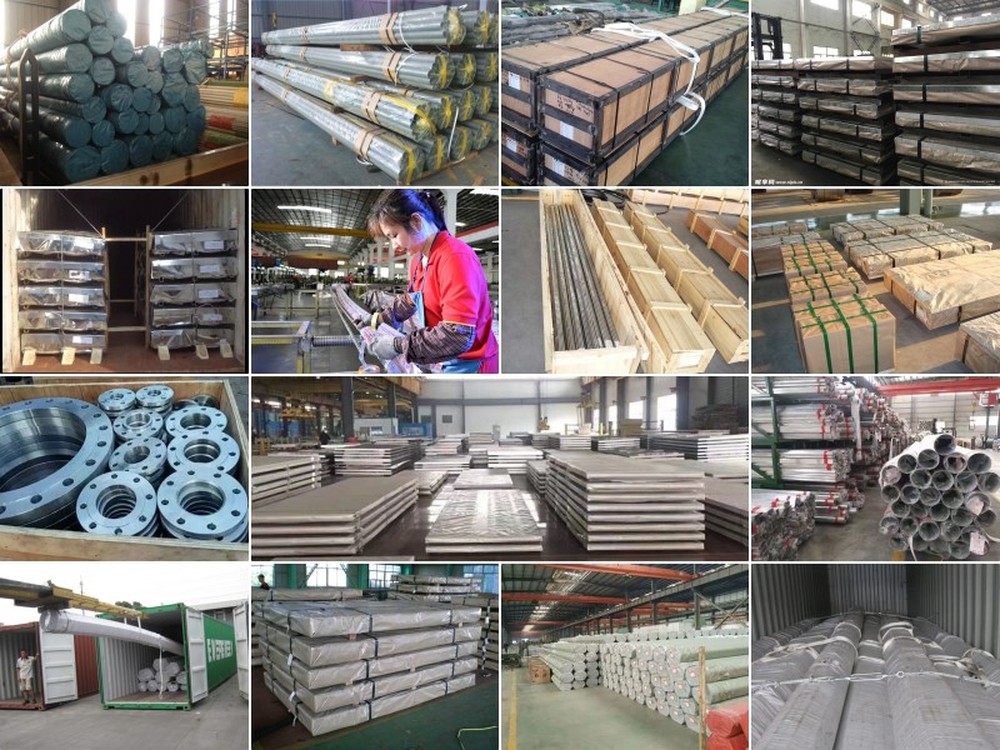
Gnee Alloy GH Product Packaging
Contact us to select your preferred packaging and shipping methods
Gnee Alloy: Comprehensive Manufacturing Capabilities
Established in 2008, with over 18 years of experience exporting superalloys and a 35,000 m² integrated production facility
Equipped with imported US VIM and German VAR dual-vacuum melting furnaces; features dedicated workshops for rolling, heat treatment, and independent machining
Equipped with comprehensive professional testing laboratories, including spectrometers, high-temperature creep-rupture testing furnaces, and a full suite of NDT equipment (UT, ET, MT)
Fully certified: ISO9001, ISO14001, ISO45001, SGS, and TUV; compliant with aerospace-grade GJB standards
Annual export volume exceeds 80,000 tons, with products sold to over 160 countries; supported by a dedicated team for dual-use item export documentation
Flexible ordering policies: No strict Minimum Order Quantity (MOQ) for sample orders; preferential pricing secured through annual framework contracts

Gnee Alloy High temperature alloy Certificate
Click to view our system certifications
About Gnee Alloy

Submit the following information to receive an accurate quote within one hour:
Target GH alloy grade (e.g., GH3030, GH3039, GH3044, GH4169, GH4090)
Required product form: Bar, plate/sheet, or seamless pipe
Complete dimensions and surface finish requirements
Operating temperature and end-use application (e.g., aerospace, gas turbines, industrial furnaces, oil & gas)
Order type: Small-batch trial run, annual framework agreement, or urgent MRO (Maintenance, Repair, and Operations) procurement
Special certification requirements (e.g., 3.2 material certificate, VIM+ESR aerospace grade, Russian certification, dual-use item license)
Free laboratory test samples (international shipping costs borne by the customer)
Receive the full GH series technical datasheet and grade comparison report immediately after submitting your inquiry
Click to get a quote for High Temperature Alloy products
FAQ