






Tantalum Alloy
GNEE steel group is a supply chain integrated enterprise including steel plate, coil, profile, outdoor landscape design and processing. Founded in 2008, with 5 million RMB registered capital, Gnee has made impressive progress and development in steel market with Gnee People more than 10 years hard fighting. At present, the total investment amount reaches 30 million RMB, workshop area more than 35000㎡, with over 200 employees. Gnee is becoming the most professional international steel supply chain company in China central plains with explicit strategic framework, integrated governance structure, firm management foundation, abundant fund and human power.
Group has 5 subsidiary corporations, located in Anyang, Tianjin, Hongkong and Singapore countries and districts. Headquarters is in hometown of oracle in Henan province, location of world cultural heritage" Yin Ruin", Anyang city, one of eight ancient capitals of China.
Why Choose Us
High quality
Our products are manufactured or executed to very high standards, using the finest materials and manufacturing processes.
Competitive Price
We offering a higher-quality product or service at an equivalent price. As a result we have a growing and loyal customer base.
Rich experience
Our company has many years of production work experience. The concept of customer-oriented and win-win cooperation makes the company more mature and stronger.
Global shipping
Our products support global shipping and the logistics system is complete, so our customers are all over the world.
After-sale service
Professional and thoughtful after -sales team, let you worry about us after -sales Intimate service, strong after -sales team support.
Advanced equipment
A machine, tool or instrument designed with advanced technology and functionality to perform highly specific tasks with greater precision, efficiency and reliability.





What Is Tantalum Alloy?
Tantalum alloy is a type of alloy that is made by combining tantalum with one or more other metals. Tantalum is a rare, heavy, and highly conductive metal that is often used in alloys due to its unique properties.
High melting point
Tantalum alloys have a high melting point, making them suitable for applications that require high-temperature resistance, such as jet engines and rocket nozzles.
Corrosion resistance
Tantalum alloys are highly resistant to corrosion, making them suitable for use in harsh environments, such as chemical processing plants and power plants.
Electrical conductivity
Tantalum alloys have high electrical conductivity, making them suitable for use in electronic components, such as capacitors and resistors.
Biocompatibility
Tantalum alloys are biocompatible, which means they are suitable for use in medical applications, such as joint replacements and dental implants.
High Strength
Tantalum alloys have high strength and can withstand high pressures and loads.
Ductility
Tantalum alloys are ductile, which means they can be easily formed into various shapes and sizes.
Types of Tantalum Alloy
Tantalum-niobium alloy: This alloy is made by combining tantalum with niobium. It has high strength, ductility, and resistance to corrosion and heat. It is commonly used in electronic components, such as capacitors.
Tantalum-titanium alloy: This alloy is made by combining tantalum with titanium. It has high strength, toughness, and resistance to wear and fatigue. It is commonly used in aerospace, defense, and medical applications.
Tantalum-hafnium alloy: This alloy is made by combining tantalum with hafnium. It has high strength, ductility, and resistance to corrosion and heat. It is commonly used in nuclear applications, such as reactor vessels and fuel cladding.
Tantalum-aluminum alloy: This alloy is made by combining tantalum with aluminum. It has high strength, toughness, and resistance to heat and wear. It is commonly used in aerospace and automotive applications.
Tantalum-tungsten alloy: This alloy is made by combining tantalum with tungsten. It has high strength, toughness, and resistance to wear and heat. It is commonly used in cutting tools, bearings, and electrical contacts.

Aerospace: Tantalum alloy is used in the manufacture of aircraft and spacecraft components, such as engine parts, heat exchangers, and electronic components.
Medical: Tantalum alloy is used in medical applications, such as joint replacements, dental implants, and surgical instruments, due to its biocompatibility and resistance to corrosion.
Electronics: Tantalum alloy is used in electronic components, such as capacitors and resistors, due to its high electrical conductivity and stability at high temperatures.
Energy: Tantalum alloy is used in energy applications, such as nuclear reactors, fuel cladding, and solar panels, due to its resistance to radiation and heat.
Automotive: Tantalum alloy is used in the manufacture of automotive components, such as engine parts, sensors, and fuel cells, due to its resistance to wear and heat.
Defense: Tantalum alloy is used in defense applications, such as armor piercing ammunition, missiles, and radar systems, due to its high strength and toughness.
The process of producing tantalum alloy involves several steps, including mining, extraction, alloying, and shaping. Here's a brief overview of the process.
Mining: Tantalum is extracted from ores found in pegmatite deposits, which are mined using conventional drilling and blasting techniques.
Extraction: The extracted tantalum ores are concentrated using gravity separation and magnetic separation techniques. The concentrated ores are then processed using chemical methods, such as hydrofluoric acid leaching, to extract the tantalum.
Alloying: The extracted tantalum is alloyed with other metals, such as niobium, titanium, hafnium, aluminum, or tungsten, to produce the desired properties of the final product. The alloying process typically involves melting the metals together in a furnace and then casting or shaping the alloy into the desired form.
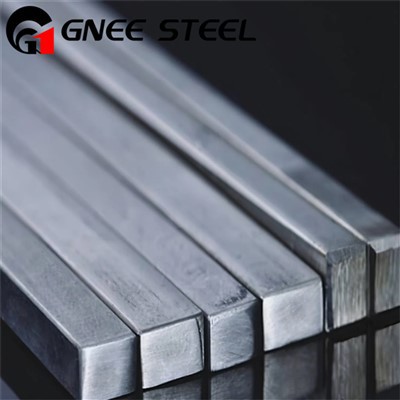
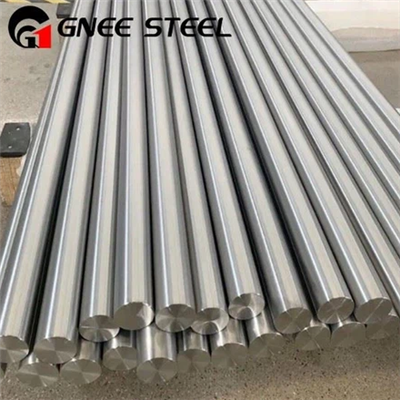
Shaping: The shaped tantalum alloy is then processed further to produce the final product, which can be in the form of bars, rods, plates, tubes, or powders. The shaping process can involve machining, grinding, or other mechanical processes, depending on the specific application and desired properties of the final product.

How to Maintain Tantalum Alloy
Maintaining tantalum alloy involves several steps to ensure that it remains in good condition and performs as expected. Here are some general guidelines for maintaining tantalum alloy.
Regular Inspection: Regularly inspect the tantalum alloy for signs of wear, damage, or corrosion. This can include visual inspections or using non-destructive testing techniques, such as ultrasonic testing or X-rays.
Cleaning: Clean the tantalum alloy regularly to remove dirt, debris, or other contaminants that can cause corrosion or damage. Use a clean, damp cloth or a soft-bristled brush and mild detergent to clean the surface.
Lubrication: Apply lubrication to moving parts of the tantalum alloy to reduce friction and wear. Use a lubricant suitable for the specific application and environmental conditions.
Protection: Protect the tantalum alloy from exposure to corrosive materials or environments. Apply coatings or use protective barriers, such as paint or plastic covers, to prevent damage.
Repair: Repair any damage or wear to the tantalum alloy promptly to prevent further damage or failure. Use appropriate repair techniques, such as welding or mechanical fasteners, to repair the damage.
Storage: Store the tantalum alloy in a dry, clean environment when not in use. Cover the alloy to protect it from moisture, dirt, or other contaminants.
Choosing the correct type of tantalum alloy depends on the specific application and the desired properties of the final product. Here are some general guidelines for choosing the correct type of tantalum alloy.
Identify the application: Determine the specific application for which the tantalum alloy will be used. This can include aerospace, medical, electronics, energy, automotive, or defense applications.
Determine the required properties: Determine the required properties of the tantalum alloy, such as strength, ductility, resistance to corrosion and heat, and electrical conductivity. These properties will depend on the specific application and the desired performance of the final product.
Choose the appropriate alloy: Based on the application and required properties, choose the appropriate type of tantalum alloy. Different alloys have different properties, and selecting the correct alloy can help ensure that the final product meets the desired performance requirements.
Consider the manufacturing process: Consider the manufacturing process and the desired shape and size of the final product. Some alloys may be more suitable for certain manufacturing processes or shapes, and selecting the appropriate alloy can help ensure that the final product meets the desired shape and size requirements.
Consult with experts: Consult with experts in the field of tantalum alloy to ensure that the correct type of alloy is selected for the specific application. Experts can provide guidance on the properties of different alloys and help identify the most suitable alloy for the specific application.
In the middle of the seventeenth century, a heavy black mineral was found in North America and was sent to the British Museum. After about 150 years, until 1801, the British chemist C.Hatchett accepted the analysis task of the ore the British Museum, discovered a new element, and named it Columbium, which is to commemorate the earliest discovered mineral areas -- Columbia.
In 1802, when the Swedish chemist A.G.Ekaberg analyzed a mineral in Scandinavia, making their acid fluoride salt after recrystallization, leading to the discovery of the new element, he named the element Tantalum referred to in Greek mythology, Jose Tantalus, the son of God's name.
Due to the nature of columbium and tantalum are very similar, people once thought that they are the same kind of elements. In 1809, the British chemist William Hyde Wollaston compared tantalum and Columbium oxide, although different density value, he believes that the two are identical material.
In 1844, the German chemist Heinrich Rose dismissed the conclusion that tantalum and Columbium are the same element, and identified that they are two different elements by chemical methods. He named them "Niobium" and "Pelopium".
In 1864, Christian Wilhelm Blomstrand, Louis Joseph Troost clearly demonstrated that tantalum and niobium are two different chemical elements, and determine the chemical formula of some related compounds. The early tantalum metal has more impurities. Werner von Bolton was first made of pure tantalum metal in 1903.
Scientists first used the hierarchical crystallization method to extract tantalum from niobium. This method is found by de Marinella in 1866. Today, scientists are using a solvent extraction method for the solution containing fluoride.
Tantalum was discovered in the early nineteenth century, but it was not until 1903 that tantalum was produced. In this year, tantalum was produced in the industry. Therefore, the development of the world's tantalum industry began in the 1920s.
The United States is the world's first country to start the production of tantalum, in 1922, they produced tantalum metal on a large industrial scale. Japan and other countries began to develop the tantalum industry in the late 1950s. After decades of development, the world's tantalum industry has reached a very high level of production. The products, technology, and equipment level of the global tantalum industry are very high, which is suitable for the rapid development of world science and technology.

Current Demand and Production

Tantalum is a critical metal for high-temperature nickel superalloys, especially those deployed in the hot zones of jet engines. Tantalum frequently makes up about 5% by weight in these alloys and is added to provide stability to turbine blades at high temperatures.
Unfortunately, tantalum demand has been severely affected in recent years as air travel almost halted in 2020 under COVID-19 restrictions. Demand remained depressed in the first part of 2021, but in the second half of the year there was sustained recovery to a run-rate above 50% of pre-pandemic demand, with industry expecting further firm recovery in 2022.
It is forecast that demand growth will return to pre-pandemic rates, somewhat above global GDP, although significant restrictions on air travel could come out of climate change policies.
According to Mordor Intelligence, the tantalum market was valued at around 2.2 kilotons in 2021, and the market is projected to register a CAGR of over 6% during the forecast period (2022-2027).
Over the short term, major factors driving the market studied are the growth from the electrical and electronic industry and extensive usage of tantalum alloys in aviation and gas turbines.
Replacement of solid capacitors with polymer tantalum capacitors is likely to act as an opportunity in the future.
The capacitor application segment dominated the market with major shares of the total tantalum consumed are used as powder and wire to make capacitors in the electronics industry.
How to Polish Scratches out of Tantalum?
Polishing scratches out of tantalum can be a difficult task due to the metal's high density and hardness. Here are some steps you can follow to attempt to remove scratches from tantalum.
Clean the surface: Begin by cleaning the surface of the tantalum with warm soapy water. Remove any dirt or oil from the surface to ensure a smooth polishing process.
Sand the surface: Use fine-grit sandpaper (such as 600-grit) to lightly sand the surface of the tantalum in a circular motion. Be careful not to apply too much pressure, as this can cause more damage to the surface.
Polish the surface: Once the surface has been sanded, use a polishing compound or jeweler's rouge and a soft cloth to polish the surface of the tantalum in a circular motion. Apply light pressure and continue to polish until the scratches are no longer visible.
Buff the surface: Use a clean, soft cloth to buff the surface of the tantalum to a shine. This will help to remove any remaining polishing compound and enhance the appearance of the metal.
The choice between pure tantalum and tantalum tungsten alloy depends on the specific application and desired properties. Here are some key differences between the two materials.
Hardness: Tantalum tungsten alloy is typically harder than pure tantalum due to the addition of tungsten, which is a very hard metal. This increased hardness makes the alloy more resistant to wear and tear.
Strength: Tantalum tungsten alloy is also stronger than pure tantalum, making it more suitable for applications that require high strength and durability.
Conductivity: Pure tantalum has better electrical and thermal conductivity than tantalum tungsten alloy. This makes pure tantalum more suitable for applications where high conductivity is required, such as in electronic components.
Cost: Tantalum tungsten alloy is typically more expensive than pure tantalum due to the added cost of the tungsten alloying element.
Our Factory
Gnee is becoming the most professional international steel supply chain company in China central plains with explicit strategic framework, integrated governance structure, firm management foundation, abundant fund and human power.


FAQ
Q: What are the uses of tantalum alloy?
Q: Is tantalum a precious metal?
Q: Is tantalum stronger than steel?
Q: Is tantalum stronger than titanium?
Q: What is so special about tantalum?
Q: Is tantalum hard to cut?
Q: Is a tantalum ring worth it?
Q: Is tantalum Magnetic?
Q: Is tantalum stronger than platinum?
Q: What can dissolve tantalum?
Q: Can you bend tantalum?
Q: Does tantalum bend or break?
Q: What is black tantalum?
Q: Will a metal detector find tantalum?
Q: Which country has the most tantalum?
Tantalum is a rare transition metal that is highly resistant to corrosion and has important applications in electronic equipment. In 2022, the Democratic Republic of the Congo's tantalum production amounted to an estimated 860 metric tons, making it the world's largest tantalum producer by far.
Q: Is tantalum shiny or dull?
Q: What's better tungsten or tantalum?
Q: Can you polish scratches out of tantalum?
Q: How flammable is tantalum?
Q: Is tantalum shatter proof?