




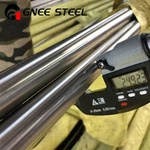

Aluminum Alloys
GNEE steel group is a supply chain integrated enterprise including steel plate, coil, profile, outdoor landscape design and processing. Founded in 2008, with 5 million RMB registered capital, Gnee has made impressive progress and development in steel market with Gnee People more than 10 years hard fighting. At present, the total investment amount reaches 30 million RMB, workshop area more than 35000㎡, with over 200 employees. Gnee is becoming the most professional international steel supply chain company in China central plains with explicit strategic framework, integrated governance structure, firm management foundation, abundant fund and human power.
Group has 5 subsidiary corporations, located in Anyang, Tianjin, Hongkong and Singapore countries and districts. Headquarters is in hometown of oracle in Henan province, location of world cultural heritage" Yin Ruin", Anyang city, one of eight ancient capitals of China.
Why Choose Us
High quality
Our products are manufactured or executed to very high standards, using the finest materials and manufacturing processes.
Competitive Price
We offering a higher-quality product or service at an equivalent price. As a result we have a growing and loyal customer base.
Rich experience
Our company has many years of production work experience. The concept of customer-oriented and win-win cooperation makes the company more mature and stronger.
Global shipping
Our products support global shipping and the logistics system is complete, so our customers are all over the world.
After-sale service
Professional and thoughtful after -sales team, let you worry about us after -sales Intimate service, strong after -sales team support.
Advanced equipment
A machine, tool or instrument designed with advanced technology and functionality to perform highly specific tasks with greater precision, efficiency and reliability.


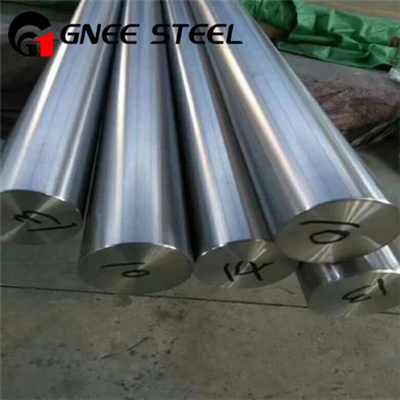


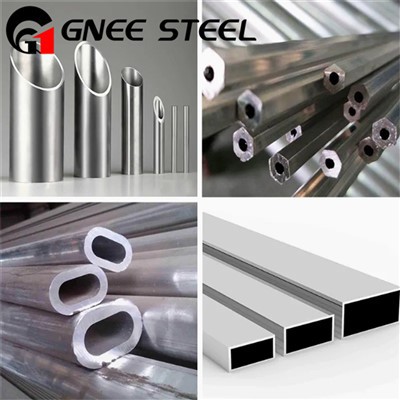

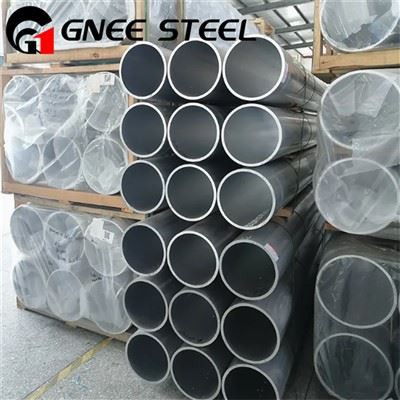

What Is Aluminum Alloys?
An “alloy” is a blend of different metallic elements, often created to enhance the strength and durability of the material. An aluminum alloy typically consists of the latter as the main metal in the blend, often combined with other elements, such as silicon, tin, manganese, or even copper, tin, and magnesium, depending on the desired application. With the right combination of elements, aluminum can acquire a lot more strength, and in some cases, it could even outperform steel. Alloys bring the same benefits of pure aluminum, and they are also relatively cost-effective because they have a lower melting point.
Lightweight
Aluminum alloys are significantly lighter than other metals, making them ideal for applications where weight is a concern, such as aerospace and automotive industries.
High strength-to-weight ratio
Aluminum alloys have a high strength-to-weight ratio, meaning they are strong yet lightweight.
Good corrosion resistance
Aluminum alloys have excellent corrosion resistance, making them suitable for use in harsh environments.
Excellent thermal conductivity
Aluminum alloys have good thermal conductivity, making them useful for heat sinks and other heat transfer applications.
Ease of fabrication
Aluminum alloys are relatively easy to fabricate, which allows for efficient production and customization.
Recyclability
Aluminum alloys are highly recyclable, making them an environmentally friendly choice.
Aesthetic appeal
Aluminum alloys have a modern and sleek appearance, making them popular in architectural and design applications.
Types of Aluminum Alloys
There are several types of aluminum alloys, each with its own unique properties and applications. Here are some of the most common types of aluminum alloys
1XXX Series
This series of aluminum alloys contains only aluminum, with no other alloying elements. These alloys are soft and malleable, making them easy to shape and form. They are commonly used in applications that require a high degree of formability.


2XXX Series
This series of aluminum alloys is composed primarily of aluminum and copper. These alloys have high strength and good wear resistance, making them well suited for applications such as aerospace and automotive components.
3XXX Series
This series of aluminum alloys is composed primarily of aluminum and manganese. These alloys have good formability and excellent workability, making them well suited for applications such as sheet metal and extrusions.


5XXX Series
This series of aluminum alloys is composed primarily of aluminum and magnesium. These alloys have good strength and excellent corrosion resistance, making them well suited for applications such as marine components and architectural products.
6XXX Series
This series of aluminum alloys is composed primarily of aluminum and magnesium-silicon. These alloys have good strength and excellent formability, making them well suited for applications such as extrusions and structural components.


7XXX Series
This series of aluminum alloys is composed primarily of aluminum and zinc. These alloys have high strength and excellent wear resistance, making them well suited for applications such as aerospace and sporting goods.
Aluminum alloys are used in a wide range of applications due to their unique properties, such as high strength-to-weight ratio, good conductivity, and resistance to corrosion. Here are some of the most common applications of aluminum alloys.
Transportation: Aluminum alloys are widely used in the transportation industry, including automobiles, airplanes, trains, and ships. They are used for body structures, frames, wheels, and engine components due to their high strength-to-weight ratio and resistance to corrosion.
Construction: Aluminum alloys are commonly used in building and construction applications, such as window frames, roofing, siding, and cladding. They are also used in the production of building materials, such as bricks, concrete, and insulation.
Electrical: Aluminum alloys are used in the production of electrical components, such as wires, transformers, and motors. They are also used in the production of solar panels and other renewable energy technologies.
Packaging: Aluminum alloys are used in the production of packaging materials, such as cans, foil, and bottles. They are also used in the production of aerosols and other types of packaging.
Consumer products: Aluminum alloys are used in the production of a wide range of consumer products, such as appliances, cookware, and sporting goods.
Process of Aluminum Alloys
The production of aluminum alloys involves several processes, including.
Melting: The first step in producing aluminum alloys is to melt pure aluminum and the desired alloying elements. The aluminum and alloying elements are typically melted in a furnace, using either gas or electricity as a heat source.
Alloying: Once the aluminum and alloying elements are melted, they are mixed together to form the desired alloy. The alloying process can be done manually or using automated machinery, such as a mixer or stirrer.
Casting: The molten alloy is then poured into a mold to create a specific shape. The mold can be either a permanent mold, which is used repeatedly, or a sand mold, which is used once and then discarded.
Cooling: The alloy is then cooled to solidify it. This can be done using air cooling, water cooling, or by placing the mold in a cooling chamber.
Machining: Once the alloy has cooled and solidified, it can be machined into the desired shape. This can be done using a variety of machining techniques, such as drilling, turning, and milling.
Finishing: The final step in the production of aluminum alloys is to finish the surface of the alloy. This can be done using a variety of finishing techniques, such as polishing, anodizing, or painting.
How to Maintain Aluminum Alloys


Maintaining aluminum alloys involves several steps, including cleaning, lubrication, and inspection. Here are some general guidelines for maintaining aluminum alloys:
Cleaning: Regular cleaning is essential to maintain the appearance and performance of aluminum alloys. Use a mild detergent and water to clean the surface of the alloy, and rinse thoroughly. Avoid using abrasive cleansers or acidic solutions, as they can damage the surface of the alloy.
Lubrication: Lubricating aluminum alloys helps to prevent corrosion and wear. Apply a suitable lubricant to the surface of the alloy, following the manufacturer's instructions. Be sure to reapply the lubricant as needed, depending on the level of usage and exposure to the environment.
Inspection: Regular inspection of aluminum alloys is important to identify any signs of damage or corrosion. Look for cracks, scratches, and other defects that could compromise the structural integrity of the alloy. If any damage is detected, repair it promptly to prevent further deterioration.
Protection: Applying a protective coating, such as paint or anodizing, can help to prevent corrosion and extend the lifespan of aluminum alloys. Choose a coating that is suitable for the environment in which the alloy will be used, and follow the manufacturer's instructions for application.
Storage: When storing aluminum alloys, keep them in a dry and clean environment. Avoid exposing the alloys to extreme temperatures or moisture, as this can cause corrosion. Cover the alloys with a protective material, such as a tarp or plastic sheeting, to protect them from the elements.
What Is the History of Aluminum Alloy?
Naturally occurring compounds that contain aluminum have been known since antiquity, but aluminum’s elemental nature as a metal wasn’t confirmed until 1825. This came thanks to the efforts of German chemist Friedrich Wöhler and Danish physicist Hans Christian Ørsted. After being discovered, aluminum was difficult to process and cost more than gold. The price didn't start to drop until Henri Étienne Sainte-Claire Deville, a French chemist, started the first industrial manufacture in 1856. It would be an additional 50 years before duralumin, the first structural aluminum alloy with appreciable strength, was created. It was developed with military and industrial purposes in mind.
Considerations For Choosing The Right Aluminum Alloy Type
Machinability rating
The machinability rating of an aluminum alloy lets you know the compatibility status of such material with aluminum CNC machining processes. It would help to note that 6061-T6, 2011 aluminum, and 7075 aluminum are suitable alloys with high to moderate machinability ratings. Hence, you can use these materials to create complex parts with intricate requirements.
Material costs and availability
When picking a material for your project, it is essential to consider the costs of the aluminum alloy grade. Maintain an equilibrium between your budget and the cost of the material with the ideal properties for your project. It helps to establish an efficient foundation for your production process.
In addition, the prices of the chosen aluminum grade will decide the availability of the aluminum alloy. A scarce aluminum grade will slow down the manufacturing process. For example, 7075 aluminum offers excellent machinability but has extremely higher costs. On the other hand, 6061 aluminum is much cheaper and has reduced hardness and tensile strength, making it easily machinable.
Heat treatment
Heat treatment involves using extreme heat temperatures to treat aluminum alloys to enhance their strength and durability. Hence, you should find out which aluminum series is heat treatable and which is not.
However, it would help to note that the 2xxx, 6xxx, and 7xxx aluminum alloy series are compatible with heat treatment. You can heat-treat parts made with these alloys to enhance the strength of the finished products.

Aluminum alloy grades are identified by a series of numbers that indicate the composition of the alloy and its properties. The most common system for identifying aluminum alloys is the Aluminum Association system, which assigns a four-digit number to each alloy.
The first digit of the alloy number indicates the primary alloying element. For example, a 1xxx series alloy indicates that the alloy is composed primarily of aluminum with no other alloying elements. A 6xxx series alloy, on the other hand, indicates that the alloy is composed primarily of aluminum and magnesium.
The second digit of the alloy number indicates the modification of the alloy. This digit is typically a 0 or a 1. A 0 indicates that the alloy has not been modified, while a 1 indicates that the alloy has been modified to improve its properties.
The third and fourth digits of the alloy number indicate the specific alloy and its properties. These digits provide additional information about the alloy's composition, mechanical properties, and thermal properties.
For example, 6061 is a common aluminum alloy grade that is composed of aluminum, magnesium, and silicon. It has good mechanical properties, such as high strength and good ductility, and is commonly used in applications such as extrusions, forgings, and structural components.
Wrought and Cast Aluminum: What’s the Difference?
Wrought and cast aluminum alloys differ primarily in the way they are produced and their resulting properties. Here are some of the key differences between wrought and cast aluminum alloys
Manufacturing process: Wrought aluminum alloys are produced by working the metal into shape through processes such as rolling, extruding, and forging. Cast aluminum alloys, on the other hand, are produced by pouring molten metal into a mold to create a shape.
Microstructure: Wrought aluminum alloys typically have a fine, equiaxed microstructure, which gives them good ductility and formability. Cast aluminum alloys, on the other hand, typically have a coarse, dendritic microstructure, which gives them higher strength but lower ductility.
Properties: Wrought aluminum alloys are known for their high ductility, formability, and toughness. They can be easily shaped and formed into a wide range of products. Cast aluminum alloys, on the other hand, are known for their high strength and wear resistance. They are well suited for applications that require complex shapes or high strength-to-weight ratios.
Applications: Wrought aluminum alloys are commonly used in applications that require high ductility and formability, such as automobile bodies, building facades, and consumer products. Cast aluminum alloys are commonly used in applications that require high strength and complex shapes, such as engine components, transmissions, and aerospace applications.
How Weldable Is Aluminum?
Aluminum is considered to be moderately weldable, although it can be challenging to weld compared to other metals such as steel. The weldability of aluminum can vary depending on the specific alloy and the shape of the aluminum. Here are some factors to consider when assessing the weldability of aluminum.
Alloy: The type of aluminum alloy can affect its weldability. Some alloys are more weldable than others, and some may require preheating to prevent cracking. It's important to consult with a materials specialist or engineer to determine the appropriate alloy for welding.
Shape: The shape of the aluminum can also affect its weldability. Thin sheets of aluminum can be easily welded using techniques such as MIG or TIG welding, while thicker sections may require more specialized welding techniques.
Cleanliness: Aluminum is known to oxide easily, which can affect its weldability. It's important to clean the surface of the aluminum thoroughly before welding to remove any oxides or contaminants.
Welding technique: The type of welding technique used can also affect the weldability of aluminum. MIG and TIG welding are commonly used for aluminum, as they produce clean, high-quality welds. Other welding techniques, such as stick welding, may not be suitable for aluminum.
There are several methods for welding aluminum, each with its own advantages and disadvantages. Here are some of the most common methods for welding aluminum.
MIG (metal inert gas) welding: MIG welding is a common method for welding aluminum because it is easy to use and produces high-quality welds. MIG welding uses a continuous wire feed to create the weld, and it can be used for a variety of aluminum alloys.
TIG (tungsten inert gas) welding: TIG welding is another popular method for welding aluminum. TIG welding uses a non-consumable tungsten electrode to create the weld, and it produces clean, high-quality welds. TIG welding is often used for thin sheets of aluminum or for intricate welds.
Stick welding (shielded metal arc welding): Stick welding is not as commonly used for welding aluminum as MIG and TIG welding, but it can be used in certain applications. Stick welding uses a consumable electrode to create the weld, and it can be used for thicker sections of aluminum.
Gas welding: Gas welding is not as commonly used for welding aluminum as other methods, but it can be used in certain applications. Gas welding uses a flame to melt the aluminum and create the weld.
Friction welding: Friction welding is a newer method for welding aluminum that does not require a filler material. Friction welding uses mechanical pressure and friction to create heat, which melts the aluminum and creates the weld.
Our Factory
Gnee is becoming the most professional international steel supply chain company in China central plains with explicit strategic framework, integrated governance structure, firm management foundation, abundant fund and human power.


FAQ
Q: What are the alloys in aluminium?
Q: What's the difference between aluminum and aluminum alloy?
Q: What is the most commonly used aluminum alloy?
3003 aluminum is the best known and most widely used of the common alloys. 3003 aluminum is non-heat treatable. With about 20% more strength than 1100, 3003 is a practical general-purpose aluminum for moderate strength applications.
Q: Is aluminum alloy cheap?
Q: What is the strongest aluminum alloy?
Q: What is the cheapest aluminum alloy?
Q: What is the strongest grade of aluminum?
Q: Can you weld aluminum alloy?
Q: Does aluminum alloy leach?
Q: Will a magnet stick to aluminum alloy?
Q: How long does aluminum alloy last?
Q: Will aluminum alloy rust?
Q: What does T6 mean in aluminum?
Q: What's stronger steel or aluminum?
Q: What is in 2024 Aluminium alloy?
Q: How do I tell what grade my aluminum is?
Q: Does aluminum alloy scratch easily?
Q: What aluminum Cannot be welded?
These alloys are mostly unweldable due to their susceptibility to hot-cracking and stress-corrosion. 7075 is particularly vulnerable. The exceptions are 7003, 7005, and 7039, which are readily weldable with 5356 fillers.
Q: Is there a military grade aluminum?
Q: Is titanium stronger than aluminium?