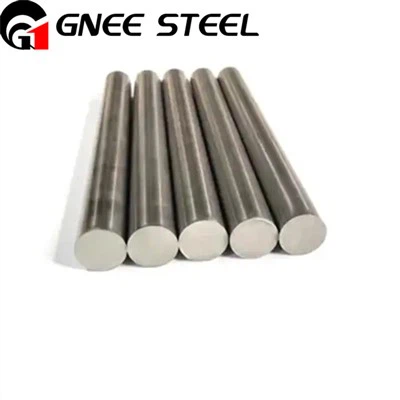
As a long - time supplier of niobium alloys, I often get asked about the potential health risks associated with these materials. Niobium alloys are widely used in various industries, including aerospace, electronics, and medical fields, due to their excellent properties such as high melting point, good corrosion resistance, and high strength - to - weight ratio. But it's crucial to understand if they pose any threats to human health.
Understanding Niobium Alloys
Niobium alloys are combinations of niobium with other elements like zirconium, titanium, and hafnium. Some of the popular niobium alloys we supply include C - 103 Niobium Alloy, Nb - 10Zr Niobium Alloy, and Cb - 752 Niobium Alloy Tube. These alloys are engineered to enhance specific properties for different applications. For example, C - 103 Niobium Alloy is known for its high - temperature strength and is commonly used in aerospace components, while Nb - 10Zr Niobium Alloy offers good corrosion resistance and is used in chemical processing equipment.
General Toxicity of Niobium
Pure niobium is generally considered to have low toxicity. According to the available scientific literature, niobium does not accumulate in the human body to a significant extent. When niobium enters the body, it is mostly excreted through urine and feces. In fact, niobium has been used in some medical applications, such as in surgical implants, because of its biocompatibility. The human body can tolerate niobium well, and it does not cause acute or chronic toxicity under normal exposure conditions.
Potential Health Risks in Occupational Settings
However, in occupational settings where workers are exposed to niobium alloys during manufacturing processes such as machining, welding, or powder handling, there are some potential health concerns.
Inhalation of Niobium Dust
One of the main risks is the inhalation of niobium alloy dust. When niobium alloys are machined or ground, fine dust particles can be generated. Inhalation of these dust particles can potentially cause respiratory problems. Prolonged exposure to high concentrations of niobium dust may lead to irritation of the respiratory tract, including the nose, throat, and lungs. In some cases, it may cause pneumoconiosis, a lung disease characterized by the accumulation of dust in the lungs.
To mitigate this risk, proper ventilation systems should be in place in workplaces. Workers should also wear appropriate personal protective equipment (PPE), such as respirators, to prevent inhalation of the dust. Regular health check - ups for workers are also recommended to detect any early signs of respiratory problems.
Skin Contact
Skin contact with niobium alloys may cause irritation in some individuals, especially those with sensitive skin. The sharp edges of niobium alloy parts during handling can also cause cuts and abrasions, which may increase the risk of secondary infections. Workers should wear gloves and other protective clothing to minimize skin contact.
Health Risks in Environmental Exposure
Niobium alloys can also enter the environment through industrial waste disposal. In the environment, the behavior of niobium alloys depends on various factors such as soil type, pH, and the presence of other chemicals.
Water Contamination
If niobium alloys are disposed of improperly, they may leach into water sources. Although niobium is relatively insoluble in water, under certain conditions, small amounts of niobium may be released. While the levels of niobium in water are usually low and not considered a significant health risk, long - term exposure to water contaminated with niobium may have unknown effects on human health. More research is needed to fully understand the potential impact of environmental niobium exposure on human health.
Safety Regulations and Standards
There are several safety regulations and standards in place to protect workers and the environment from the potential health risks of niobium alloys. Occupational Safety and Health Administration (OSHA) in the United States has set permissible exposure limits (PELs) for niobium dust in the workplace. These limits are designed to ensure that workers are not exposed to harmful levels of niobium dust.
In addition, environmental protection agencies have regulations regarding the disposal of niobium alloy waste to prevent environmental contamination.


Conclusion
In conclusion, while pure niobium is generally considered to have low toxicity and is biocompatible, niobium alloys may pose some health risks, especially in occupational and environmental settings. The main risks are associated with inhalation of dust and skin contact during manufacturing processes. By following proper safety procedures, such as using ventilation systems, wearing PPE, and adhering to environmental regulations, the health risks can be effectively managed.
As a supplier of niobium alloys, we are committed to providing high - quality products while also ensuring the safety of our customers and the environment. If you are interested in purchasing niobium alloys for your specific application, we encourage you to contact us for more information and to discuss the best practices for handling and using these materials. Our team of experts can provide you with detailed guidance on the safety aspects and help you make an informed decision.
References
- Agency for Toxic Substances and Disease Registry (ATSDR). Toxicological Profile for Niobium.
- Occupational Safety and Health Administration (OSHA). Permissible Exposure Limits for Chemical Substances.
- International Agency for Research on Cancer (IARC). Monographs on the Evaluation of Carcinogenic Risks to Humans.