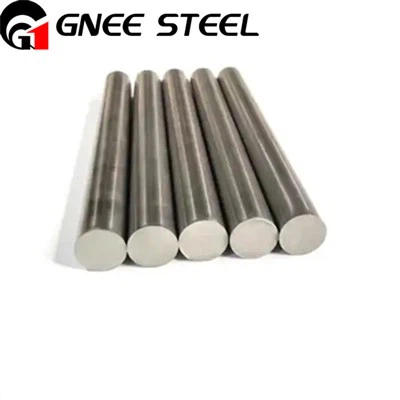
Tantalum alloy stands out as a remarkable material in the world of high - performance alloys, known for its exceptional corrosion resistance, high melting point, and excellent ductility. As a leading tantalum alloy supplier, I'm excited to take you through the intricate process of how tantalum alloy is manufactured.
Raw Material Sourcing
The journey of tantalum alloy manufacturing begins with the sourcing of raw materials. Tantalum is primarily extracted from tantalite and columbite - tantalite ores. These ores are mined in various regions around the world, including Australia, Canada, and Africa. The quality of the ore plays a crucial role in the final properties of the tantalum alloy.
We at our company have established strict quality control measures during the sourcing process. We work closely with trusted mining partners to ensure that the tantalum ore we receive meets our high - grade specifications. This involves comprehensive chemical analysis of the ore to determine its tantalum content, as well as the presence of any impurities such as niobium, iron, and manganese. Impurities can significantly affect the performance of the final alloy, so minimizing their presence is of utmost importance.
Ore Processing
Once the raw tantalum ore is sourced, it undergoes a series of processing steps to extract pure tantalum. The first step is usually crushing and grinding the ore into a fine powder. This increases the surface area of the ore, making it easier for subsequent chemical reactions.
After grinding, the ore is subjected to a chemical treatment process called acid digestion. Hydrofluoric acid and sulfuric acid are commonly used to dissolve the tantalum and other metals in the ore. This forms a solution containing tantalum fluoride complexes.
Next, a solvent extraction process is employed to separate tantalum from other metals in the solution. Organic solvents are used to selectively extract the tantalum complexes, leaving behind impurities. This step is highly precise and requires careful control of process parameters such as pH, temperature, and the ratio of solvents to ensure high - purity tantalum extraction.
The tantalum - rich organic phase is then stripped of the tantalum using a suitable stripping agent, resulting in a tantalum - containing aqueous solution. This solution is further processed to precipitate tantalum hydroxide, which is then calcined at high temperatures to convert it into tantalum pentoxide (Ta₂O₅).
Reduction of Tantalum Pentoxide
Tantalum pentoxide is reduced to metallic tantalum through a process called metallothermic reduction. One of the most common methods is the use of sodium or magnesium as reducing agents. In the sodium reduction process, tantalum pentoxide is mixed with sodium metal in a sealed reactor and heated to high temperatures. The sodium reacts with the tantalum pentoxide, displacing the oxygen and forming sodium oxide and metallic tantalum.
The reaction is highly exothermic, and careful control of the reaction conditions is necessary to prevent overheating and ensure a high - quality product. After the reaction is complete, the resulting mixture is cooled and washed to remove any residual sodium oxide and other by - products. The metallic tantalum obtained at this stage is in the form of a sponge or powder.
Alloying
Once pure tantalum is obtained, it can be alloyed with other elements to enhance its properties. Common alloying elements include tungsten, molybdenum, niobium, and hafnium. The choice of alloying elements depends on the specific application requirements of the tantalum alloy.
The alloying process typically involves melting the pure tantalum and the alloying elements together in a high - temperature furnace. Electron beam melting or vacuum arc melting are commonly used methods for this purpose. These melting techniques are carried out in a vacuum or inert gas environment to prevent oxidation of the metals during the melting process.
During melting, the alloying elements are carefully added in the desired proportions. The molten alloy is then stirred to ensure a homogeneous distribution of the alloying elements throughout the melt. Once the alloy is fully melted and homogenized, it is cast into ingots or other desired shapes.
Forming and Fabrication
After the alloy is cast into ingots, it can be further processed through various forming and fabrication techniques. Rolling is a common method used to reduce the thickness of the ingots and produce sheets or plates. The ingots are passed through a series of rolling mills, where they are gradually compressed to the desired thickness.
Extrusion is another important forming process. In extrusion, the alloy is forced through a die to produce long, continuous shapes such as rods, tubes, and profiles. This process can improve the mechanical properties of the alloy by aligning the grain structure.
Forging is also used to shape the tantalum alloy. It involves applying compressive forces to the alloy using a hammer or a press. Forging can enhance the strength and toughness of the alloy by refining the grain structure and eliminating internal defects.
Heat Treatment
Heat treatment is an essential step in the manufacturing of tantalum alloy. It is used to optimize the mechanical properties of the alloy, such as hardness, strength, and ductility. Common heat treatment processes include annealing, quenching, and tempering.
Annealing is a process of heating the alloy to a specific temperature and then slowly cooling it. This helps to relieve internal stresses in the alloy, improve its ductility, and refine the grain structure. Quenching involves rapidly cooling the alloy from a high temperature, which can increase its hardness. Tempering is often carried out after quenching to reduce the brittleness and improve the toughness of the alloy.
Finishing and Quality Control
After the forming and heat treatment processes, the tantalum alloy products undergo finishing operations such as machining, grinding, and polishing to achieve the desired surface finish and dimensional accuracy.
Quality control is an integral part of the manufacturing process. We use a variety of non - destructive testing methods, such as ultrasonic testing, X - ray inspection, and eddy - current testing, to detect any internal defects in the alloy products. Chemical analysis is also performed to ensure that the alloy composition meets the specified requirements.
Applications of Tantalum Alloy
Tantalum alloy finds a wide range of applications in various industries. In the aerospace industry, it is used in the manufacture of jet engine components, heat shields, and structural parts due to its high strength - to - weight ratio and excellent heat resistance.
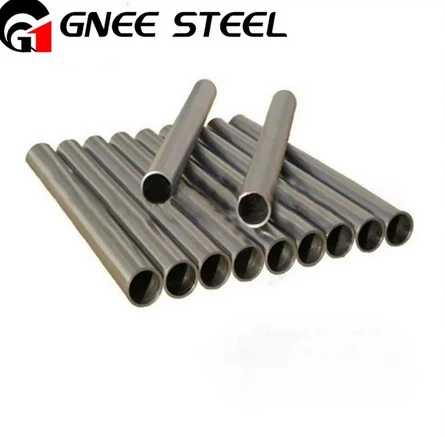
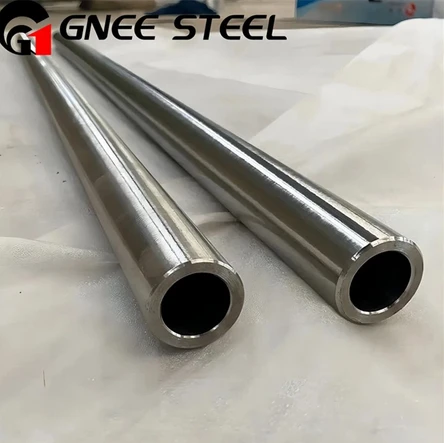
In the chemical processing industry, tantalum alloy is highly valued for its corrosion resistance. It is used in the construction of chemical reactors, pipes, and valves that come into contact with highly corrosive chemicals. For example, our ASTM B365 Tantalum Alloy Pipe and High Quality Tantalum Alloy Pipe are widely used in chemical plants to transport corrosive fluids safely.
The electronics industry also makes extensive use of tantalum alloy. It is used in the production of capacitors, resistors, and other electronic components due to its excellent electrical properties. Our Tantalum R05255 Seamless Pipe is often used in electronic manufacturing processes where high - purity and seamless pipes are required.
Contact for Procurement
If you are in need of high - quality tantalum alloy products for your specific application, we invite you to contact us for procurement. Our team of experts is ready to assist you in selecting the right tantalum alloy products and providing you with detailed technical support. Whether you need standard products or custom - made solutions, we have the capabilities to meet your requirements.
References
- "Tantalum: Properties, Processing, and Applications" by R. E. Sanders
- "Metallurgy of Refractory Metals" edited by C. T. Sims and W. C. Hagel
- "Corrosion Resistance of Tantalum and Tantalum Alloys" by R. W. Staehle