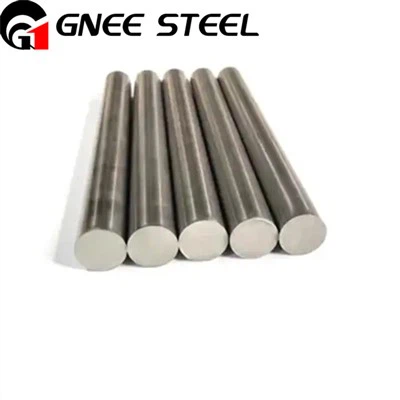
Hey there! As a tantalum alloy supplier, I've been getting a lot of questions lately about how to improve the wear - resistance of tantalum alloy. So, I thought I'd put together this blog post to share some insights and tips.
First off, let's understand why wear - resistance is so important for tantalum alloy. Tantalum alloys are used in a wide range of applications, from aerospace components to medical devices. In many of these applications, the material is subjected to friction, abrasion, and other forms of wear. Improving the wear - resistance can significantly extend the lifespan of the parts, reduce maintenance costs, and enhance overall performance.
1. Alloying Elements
One of the most common ways to improve the wear - resistance of tantalum alloy is by adding certain alloying elements. For example, tungsten is a popular choice. Tungsten has a high melting point and hardness, which can enhance the strength and wear - resistance of the tantalum alloy. Our Tantalum - Tungsten Alloys Bar is a great example of this. The addition of tungsten makes it more resistant to wear and tear, making it suitable for high - stress applications.
Another element that can be added is molybdenum. Molybdenum can improve the alloy's mechanical properties and also enhance its resistance to oxidation and corrosion, which are often associated with wear. When these elements are carefully added in the right proportions, they can form a solid solution with tantalum, strengthening the alloy's structure and improving its wear - resistance.
2. Heat Treatment
Heat treatment is another crucial method to enhance the wear - resistance of tantalum alloy. By subjecting the alloy to specific heating and cooling cycles, we can change its microstructure. For instance, annealing can relieve internal stresses in the alloy, while quenching and tempering can increase its hardness.
When we anneal the tantalum alloy, we heat it to a certain temperature and then cool it slowly. This process allows the atoms in the alloy to rearrange themselves, reducing internal stresses and making the material more ductile. On the other hand, quenching involves rapid cooling, which can form a fine - grained microstructure. This fine - grained structure is harder and more wear - resistant. After quenching, tempering is often done to reduce the brittleness that may be caused by quenching.
3. Surface Treatment
Surface treatment is a cost - effective way to improve the wear - resistance of tantalum alloy without changing the bulk properties of the material. There are several surface treatment methods available.
One of the popular methods is nitriding. In nitriding, the tantalum alloy is exposed to a nitrogen - rich environment at high temperatures. Nitrogen atoms diffuse into the surface of the alloy, forming hard nitride compounds. These nitride compounds on the surface can significantly improve the wear - resistance.
Another method is coating. We can apply various coatings on the surface of the tantalum alloy, such as ceramic coatings or diamond - like carbon (DLC) coatings. These coatings act as a protective layer, reducing friction and wear. For example, a ceramic coating can provide high hardness and chemical stability, while a DLC coating can offer low friction and good wear - resistance.
4. Grain Size Control
The grain size of the tantalum alloy also plays a significant role in its wear - resistance. Generally, a finer grain size leads to better wear - resistance. This is because fine - grained materials have more grain boundaries, which can impede the movement of dislocations and make the material harder to deform.
During the manufacturing process, we can control the grain size by adjusting the cooling rate and the addition of certain nucleating agents. A faster cooling rate usually results in a finer grain size. Additionally, the presence of nucleating agents can promote the formation of more nuclei during solidification, leading to a finer - grained microstructure.
5. Application - Specific Optimization
It's important to note that the requirements for wear - resistance can vary depending on the application. For example, in aerospace applications, the tantalum alloy may need to withstand high - speed impacts and extreme temperatures. In medical applications, biocompatibility is also a crucial factor in addition to wear - resistance.
So, when trying to improve the wear - resistance of tantalum alloy, we need to consider the specific requirements of the application. We can customize the alloy composition, heat treatment, and surface treatment according to these requirements. For example, our Tantalum R05240 Bar is designed for applications where high purity and good formability are required, while still maintaining a certain level of wear - resistance. And our Tantalum R05255 Seamless Pipe is suitable for applications that need excellent corrosion and wear - resistance, such as in chemical processing industries.
Conclusion
Improving the wear - resistance of tantalum alloy is a multi - faceted process that involves alloying, heat treatment, surface treatment, grain size control, and application - specific optimization. By carefully considering these factors, we can produce tantalum alloy products with enhanced wear - resistance that meet the diverse needs of different industries.


If you're interested in our tantalum alloy products or have any questions about improving wear - resistance, feel free to reach out. We're always happy to have a chat and discuss how we can meet your specific requirements. Whether you need a standard product or a customized solution, we've got you covered.
References
- Smith, J. K. (2018). Tantalum Alloys: Properties and Applications. Metallurgical Press.
- Johnson, M. L. (2019). Surface Engineering for Wear Resistance. Tribology Journal.
- Brown, A. R. (2020). Heat Treatment of Refractory Metals. Metal Treatment Books.