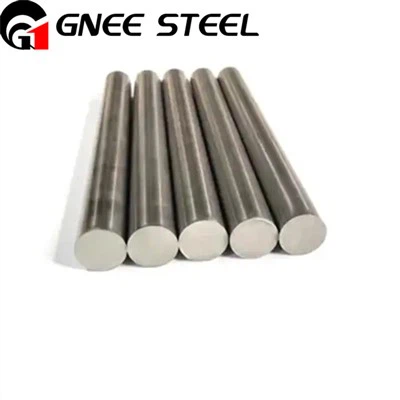
Hey there! As a supplier of aluminum alloys, I've had the chance to work closely with these amazing materials. Aluminum alloys are super versatile, and their chemical properties play a huge role in determining where they can be used. Let's dive into what makes these alloys so special.
First off, let's talk about the base element - aluminum. Pure aluminum is a soft, silvery-white metal. It has a strong affinity for oxygen, which means it quickly forms a thin, protective oxide layer on its surface when exposed to air. This oxide layer, which is just a few nanometers thick, acts as a shield, preventing further oxidation and corrosion. It's like a natural armor for the metal.
Now, when we start adding other elements to aluminum to create alloys, things get really interesting. These alloying elements can significantly change the chemical properties of the aluminum, making it suitable for a wide range of applications.
One of the most common alloying elements is copper. When copper is added to aluminum, it forms an alloy that has increased strength and hardness. Copper-aluminum alloys are often used in the aerospace industry because of their excellent mechanical properties. The copper atoms disrupt the regular arrangement of aluminum atoms in the crystal lattice, making it harder for the metal to deform under stress.
Another important alloying element is magnesium. Magnesium-aluminum alloys are lightweight and have good corrosion resistance. They're commonly used in the automotive industry to reduce the weight of vehicles, which in turn improves fuel efficiency. Magnesium also helps to refine the grain structure of the alloy, making it stronger and more ductile.
Silicon is also frequently added to aluminum. Silicon-aluminum alloys have low thermal expansion coefficients, which means they don't expand or contract much when the temperature changes. This makes them ideal for use in engine blocks and other components that are exposed to high temperatures.
Let's take a closer look at some specific aluminum alloys that we supply.
Aluminum Alloy 3003
Aluminum Alloy 3003 is one of the most widely used aluminum alloys. It contains manganese as the main alloying element, along with small amounts of copper. The addition of manganese gives this alloy good formability and moderate strength. It's also highly resistant to corrosion, especially in environments where it's exposed to chemicals or saltwater. This makes it a popular choice for applications such as food and beverage cans, cooking utensils, and heat exchangers.
Aluminum Alloy 3004
Aluminum Alloy 3004 is an alloy that contains magnesium and manganese. It has higher strength than Alloy 3003, making it suitable for applications where more structural integrity is required. This alloy is commonly used in the fabrication of beverage cans, where it needs to withstand the pressure of the carbonated liquid inside. It's also used in the construction of buildings, particularly for roofing and siding, because of its good corrosion resistance and formability.


Aluminum Alloy 3105
Aluminum Alloy 3105 is another alloy in the 3000 series. It has a similar composition to Alloy 3003 but with a slightly different balance of elements. This alloy offers good corrosion resistance, formability, and weldability. It's often used in the manufacture of furniture, signs, and decorative items because it can be easily shaped and finished to a high standard.
The chemical properties of these alloys also affect their surface treatment options. For example, aluminum alloys can be anodized to create a thicker, more durable oxide layer on the surface. Anodizing not only enhances the corrosion resistance of the alloy but also provides a base for coloring, which can be used for aesthetic purposes. Some alloys are more suitable for anodizing than others, depending on their chemical composition.
In addition to anodizing, aluminum alloys can also be painted or coated with other protective finishes. These coatings can further improve the corrosion resistance and appearance of the alloy. However, the adhesion of the coating to the alloy surface can be affected by the chemical properties of the alloy, so it's important to choose the right surface treatment method for each specific application.
Another aspect of the chemical properties of aluminum alloys is their reaction to different environments. For example, in acidic environments, the protective oxide layer on the surface of the alloy can be attacked, leading to corrosion. However, some alloys are more resistant to acidic corrosion than others, depending on the type and amount of alloying elements present. Similarly, in alkaline environments, the alloy may react differently, and some alloys may be more prone to corrosion in these conditions.
As a supplier of aluminum alloys, we understand the importance of providing our customers with the right alloy for their specific needs. We work closely with our clients to understand their applications and recommend the most suitable alloy based on its chemical and mechanical properties. We also offer technical support to help our customers with any questions they may have about the handling, processing, and surface treatment of the alloys.
If you're in the market for high-quality aluminum alloys, whether it's for a small project or a large-scale industrial application, we'd love to hear from you. Our team of experts is ready to assist you in finding the perfect alloy for your needs. Just reach out to us, and we can start a discussion about your requirements. We can provide samples, technical data sheets, and any other information you need to make an informed decision.
In conclusion, the chemical properties of aluminum alloys are what make them so valuable in a wide range of industries. From their corrosion resistance to their strength and formability, these alloys offer unique characteristics that can be tailored to meet specific application requirements. Whether you're looking for an alloy for a consumer product or a high-tech aerospace component, there's an aluminum alloy out there that's perfect for you. So, don't hesitate to get in touch and let's explore the possibilities together.
References
- ASM Handbook Committee. (2000). ASM Handbook Volume 2: Properties and Selection: Nonferrous Alloys and Special-Purpose Materials. ASM International.
- Davis, J. R. (Ed.). (2001). Aluminum and Aluminum Alloys. ASM International.