


In the high-temperature alloy market, low unit prices can be a costly trap. For purchasing managers and plant engineers, the primary pain point is unexpected material failure during critical operations.
At Gnee Alloy, we focus on industrial durability. We help you evaluate the most cost-effective solutions by matching the metallurgical properties of materials to your specific thermal performance requirements.
Click to get a GH3030 product quote
How to choose the GH3030 bar that best suits your needs?
Gnee Alloy
How to choose the GH3030 bar that best suits your needs?
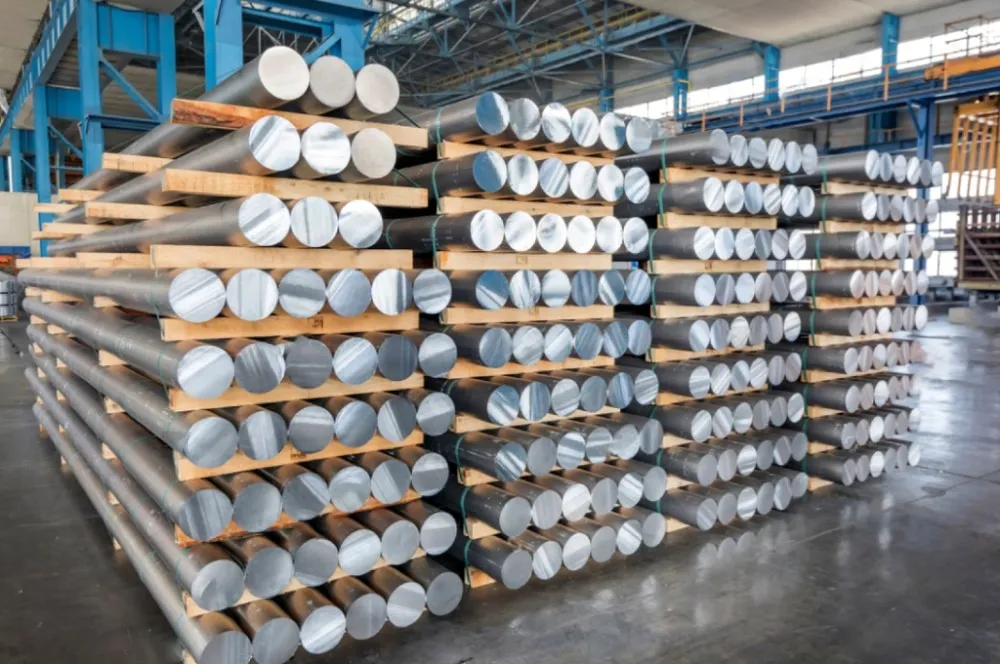
To select the most suitable GH3030 nickel-chromium superalloy bar for your application, please match the material specifications directly to your operational requirements. Ensure that the bar's dimensions, heat treatment conditions, and temperature limits are fully compatible with your project environment.
Gnee Alloy
What are the components of GH3030?
GH3030 is a solid solution strengthened high-temperature alloy, mainly composed of nickel (Ni) and chromium (Cr), with a simple chemical composition. Its typical ratio is 80% nickel and 20% chromium.
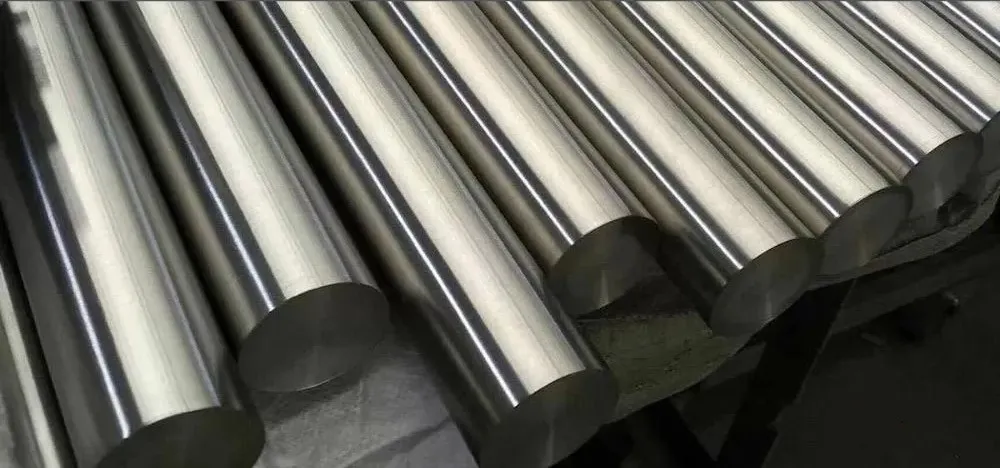
1. Chemical composition of GH3030 high-temperature environment rod (wt%)
| Element | Content (%) | Notes |
|---|---|---|
| Nickel (Ni) | Balance (≥ 75.0) | Matrix; high-temperature stability |
| Chromium (Cr) | 19.0 – 22.0 | Oxidation and corrosion resistance |
| Iron (Fe) | ≤ 1.5 | Strictly controlled to maintain Ni-base characteristics |
| Titanium (Ti) | 0.15 – 0.35 | Supplementary solid-solution strengthening |
| Aluminum (Al) | ≤ 0.15 | Prevents harmful phase formation |
| Carbon (C) | ≤ 0.12 | Ensures toughness and weldability |
| Manganese (Mn) | ≤ 0.70 | Deoxidizer |
| Silicon (Si) | ≤ 0.80 | Deoxidizer |
| Phosphorus (P) | ≤ 0.030 | Ensures toughness |
| Sulfur (S) | ≤ 0.020 | Ensures hot workability |
| Copper (Cu) | ≤ 0.20 | Residual element |
2. GH3030 High Temperature Mechanical Properties (Typical Values)
| Temp (°C) | Rm (MPa) | Rp0.2 (MPa) | A (%) | Strength Retention (%) |
|---|---|---|---|---|
| 20 (RT) | ≥ 685 | ≥ 295 | ≥ 30 | 100 |
| 300 | ~620 | ~270 | ~30 | 90 |
| 400 | ~590 | ~260 | ~32 | 86 |
| 500 | ~560 | ~250 | ~35 | 82 |
| 600 | ~520 | ~240 | ~38 | 76 |
| 700 | ~450 | ~220 | ~40 | 66 |
| 800 | ~350 | ~180 | ~42 | 51 |
| 900 | ~250 | ~120 | ~45 | 36 |
Click to download the GH3030 alloy PDF file now
3. 3 Indicators of High-Performance GH3030
| Feature | Low-Cost Commercial Grade | Our Premium GH3030 Bar | Why it Matters |
| Melting Route | EAF + ESR | VIM + ESR (Double Vacuum) | Eliminates dissolved gases & inclusions. |
| Forging Ratio | ≤ 2:1 | ≥ 4:1 | Ensures 100% internal density & core strength. |
| Grain Size | ASTM Level 3-4 (Coarse) | ASTM Level 8 or finer | Maximizes High-Cycle Fatigue life. |
| NDT Standard | Surface Visual Only | 100% Ultrasonic (UT) Class A | Guarantees zero internal voids. |
4. Risks of substituting Nimonic 75 with conventional nickel-chromium alloys
Many buyers are offered generic 80/20 Nickel-Chromium alloys as a "GH3030 substitute."
The Reality Check: While the base chemistry is similar, GH3030 is specifically modified with Titanium (Ti) and controlled Carbon. These elements are the "secret sauce" that prevents rapid grain growth at 800°C.
Our Solution: We provide Certified UNS N06075 materials that meet the strict requirements of international aerospace and nuclear blueprints, ensuring zero substitution risk for your audit.
5. Comparative analysis of GH3030 bars with other nickel alloys

When selecting GH3030 bars, comparing them with other nickel alloys is crucial. GH3030 exhibits excellent high-temperature resistance, making it ideal for certain environments. Its high-temperature strength surpasses many other alternatives. However, this doesn't mean it's always the best choice.
Other nickel alloys possess unique properties and may be better suited for different applications. For example, some alloys may offer better corrosion resistance, while others may be more cost-effective. Careful evaluation can highlight these differences. The physical properties of each alloy should be reviewed based on project requirements. Focus should be placed on tensile strength, fatigue limit, and thermal conductivity.
Choosing the right material can be tricky. Over-reliance on a single alloy can limit its applications. It's worth considering various options before making a final decision. Consult with industry experts and gather practical feedback. Such insights can be invaluable. Testing some samples may yield unexpected findings. Therefore, remain open to other options.
Why Choose Gnee as Your Nickel-Based Alloy Supplier
✅️Wholesale Pricing: Benefit from Direct Factory Price on bulk orders, supported by LME-linked transparent rates.
✅️MTC 3.1 Traceability: Full heat-analysis and mechanical property verification documented with every batch according to EN 10204.
✅️Fast Global Shipping: We maintain a large Wholesale Inventory of standard sizes (10mm to 300mm) ready for immediate dispatch.
✅️Custom Fabrication: We offer precision cutting and centerless grinding (h8-h11) to reduce your secondary machining costs.
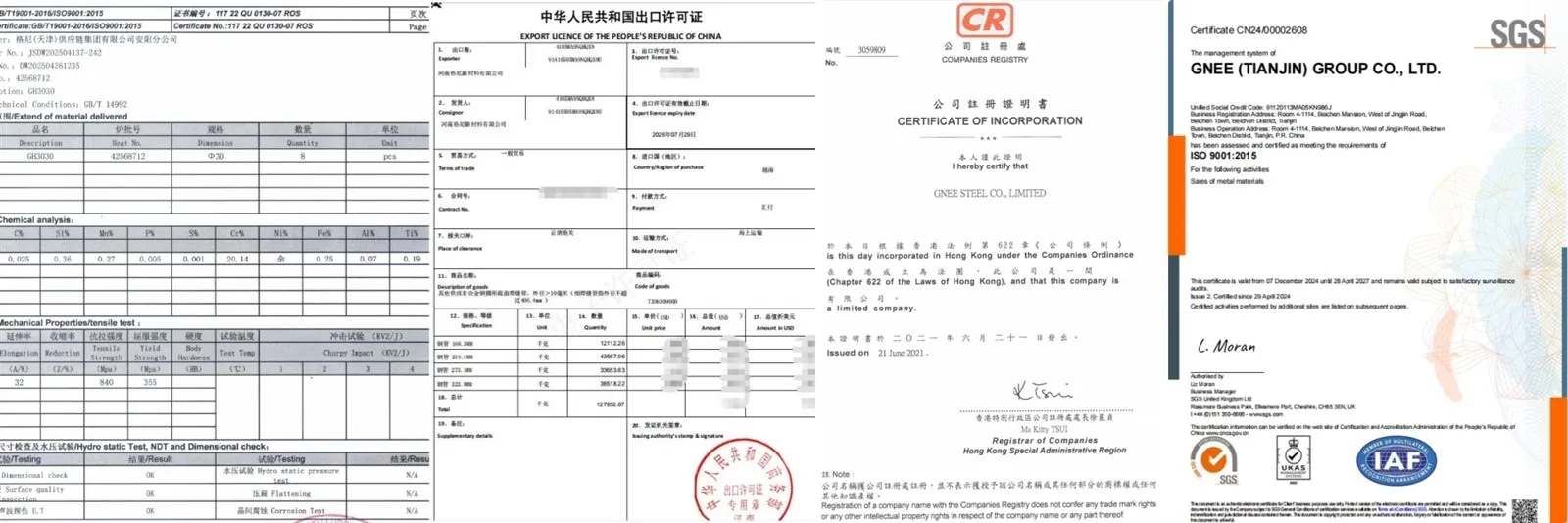
Gnee Alloy GH3030 Certificate
📦 Packaging and Shipping
All Nickel Based Alloy products are packaged using the following methods:
Wooden pallets or crates
Moisture-proof packaging
Labels with furnace number, standard, and size labels
Shipped worldwide by sea, air, or express
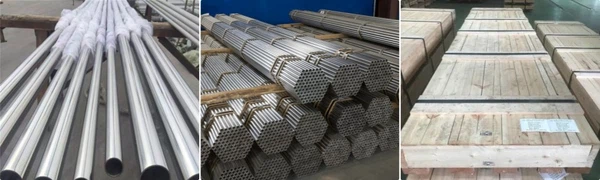
Gnee Alloy GH3030 Product Packing
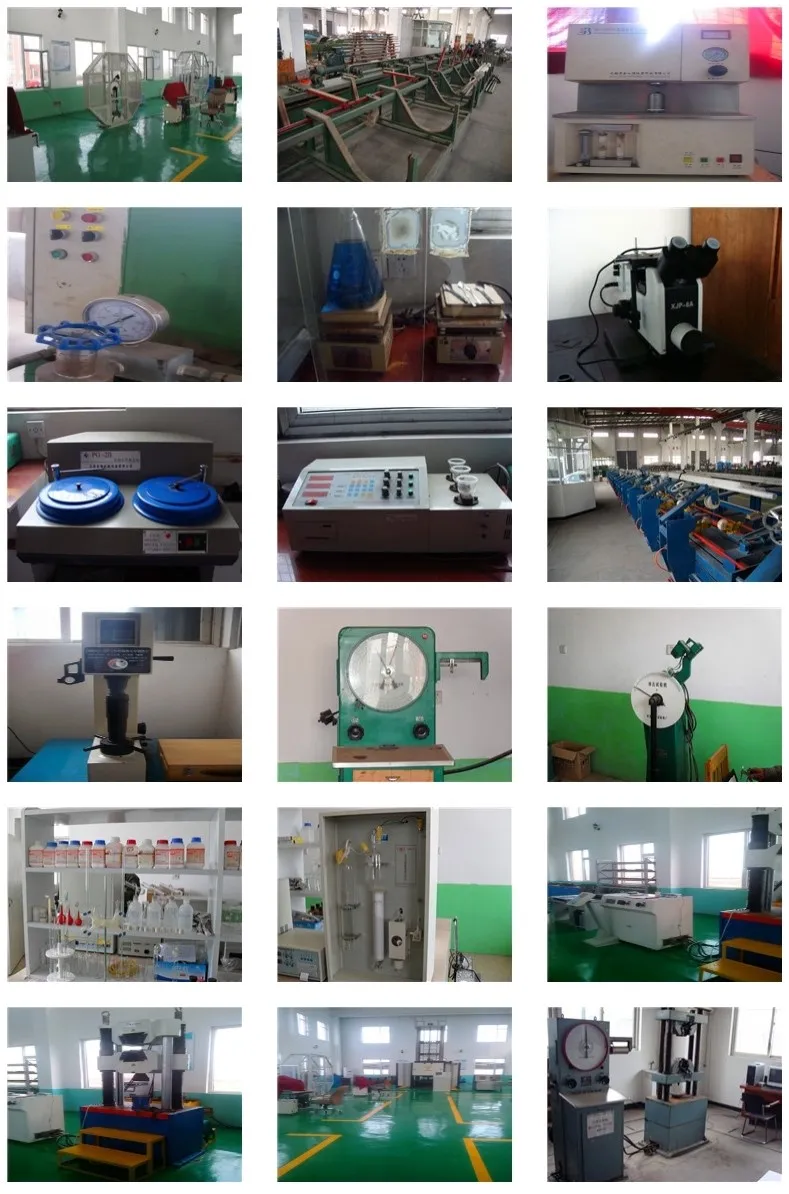
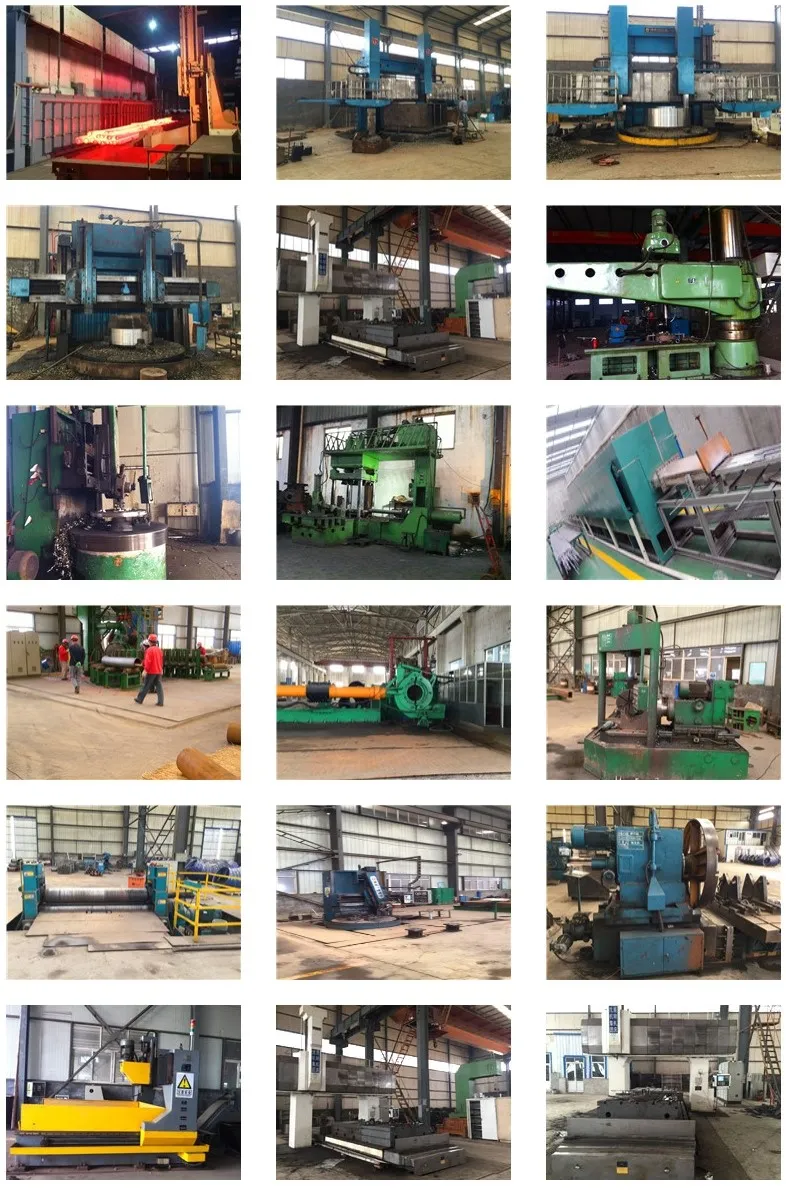
⚒️Gnee Alloy Production Line Equipment and Product Testing
Contact us for the latest export price quote for GH3030 Alloy
FAQ
Q1: How do I know if the GH3030 bar I'm buying is "Aviation Grade"?
A: Always ask for the melting route and grain size report. If the material was not produced via VIM (Vacuum Induction Melting) and does not have a verified grain size of Level 7 or finer, it likely won't meet the fatigue requirements of aerospace components.
Q2: Which is more cost-effective: Cold-Drawn or Hot-Forged bars?
A: For small diameters (under 50mm) requiring high precision, Cold-Drawn is better as it provides h-tolerances and a Smooth Finish. For large structural parts, Hot-Forged is the standard, offering the highest Structural Integrity.
Q3: Can GH3030 replace Inconel 600?
A: GH3030 is optimized for oxidation resistance in air, while Inconel 600 is better for general corrosion and stress-corrosion cracking. For furnace liners, GH3030 is often the more Cost-effective Solution.
Q4: Do you support small trial orders for material validation?
A: Yes. As a Reliable Supplier, we support Innovation. We offer flexible MOQs for laboratory specimens and R&D prototype runs.


