1. Q: What is UNS N02200 (Nickel 200), and what are its key chemical composition and properties?
A: UNS N02200, commonly known as Nickel 200 or Alloy 200, is a commercially pure wrought nickel alloy with a minimum nickel content of 99.0% . It is one of the most widely used pure nickel materials due to its excellent combination of mechanical properties, corrosion resistance, and fabricability.
Chemical Composition of UNS N02200:
| Element | Content (%) | Significance |
|---|---|---|
| Nickel (Ni) + Cobalt (Co) | ≥ 99.0 | Base element; provides corrosion resistance and magnetic properties |
| Carbon (C) | ≤ 0.15 | Controlled to balance strength and fabricability |
| Iron (Fe) | ≤ 0.40 | Limited to maintain purity and corrosion resistance |
| Manganese (Mn) | ≤ 0.35 | Deoxidizer; improves hot workability |
| Silicon (Si) | ≤ 0.35 | Enhances oxidation resistance |
| Copper (Cu) | ≤ 0.25 | Controlled for specific corrosion environments |
| Sulfur (S) | ≤ 0.010 | Minimized to prevent hot cracking during welding |
Key Properties:
| Property | Value |
|---|---|
| Density | 8.89 g/cm³ (0.321 lb/in³) |
| Melting Range | 2615–2835°F (1435–1555°C) |
| Electrical Conductivity | 22% IACS (annealed) |
| Thermal Conductivity | 70 W/m·K (at 200°F) |
| Magnetic Properties | Ferromagnetic; Curie temperature approx. 660°F (350°C) |
Mechanical Properties (Annealed Condition):
| Property | Typical Value |
|---|---|
| Tensile Strength | 55–80 ksi (380–550 MPa) |
| Yield Strength (0.2% offset) | 15–40 ksi (105–275 MPa) |
| Elongation | 40–50% |
| Hardness | 45–75 HRB (70–110 HB) |
Distinction from Nickel 201:
While Nickel 200 is suitable for most applications, its higher carbon content (0.15% maximum) makes it susceptible to graphitization when exposed to temperatures between 572–1112°F (300–600°C) for extended periods. For elevated temperature service above 600°F, Nickel 201 (UNS N02201) with its 0.02% maximum carbon content is the preferred choice. For fine polishing applications operating at ambient or moderate temperatures, Nickel 200 provides excellent surface finish characteristics at a more economical cost.
2. Q: What are the applications and benefits of fine polishing UNS N02200 plate?
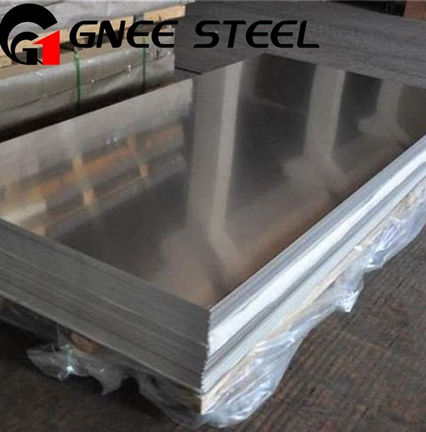
A: Fine polishing of UNS N02200 plate transforms the material's surface finish to meet demanding aesthetic, hygienic, and performance requirements across multiple industries. The polishing process removes surface imperfections, reduces roughness, and creates a reflective, uniform surface.
Common Applications for Fine Polished Nickel 200 Plate:
| Industry | Application | Polishing Requirement |
|---|---|---|
| Food Processing | Food contact surfaces, conveying equipment, mixing vessels | Hygienic finish; easy cleaning; corrosion resistance to food acids |
| Pharmaceutical | Reaction vessels, storage tanks, piping systems | Ultra-clean surface; non-reactive; easy sterilization |
| Chemical Processing | Caustic handling equipment, heat exchangers | Smooth surface prevents buildup; improves corrosion resistance |
| Electronics | Battery contact plates, electromagnetic shields | Low contact resistance; uniform surface for welding |
| Architectural | Decorative panels, trim, signage | Mirror finish; aesthetic appeal; durability |
| Semiconductor | Clean room equipment, wafer handling components | Ultra-smooth; particle-free; non-contaminating |
Benefits of Fine Polishing:
| Benefit | Explanation |
|---|---|
| Enhanced Corrosion Resistance | Polishing removes surface oxides, scale, and embedded contaminants; a smooth surface eliminates crevices where corrosion can initiate |
| Improved Cleanability | Fine polished surfaces are easier to clean and sanitize; essential for food, pharmaceutical, and medical applications |
| Reduced Friction | Smooth surface minimizes friction in moving parts and material flow applications |
| Aesthetic Appeal | Mirror finishes provide attractive appearance for architectural and consumer-facing applications |
| Uniform Welding | Polished surfaces provide consistent weldability; improves weld quality and appearance |
| Contamination Prevention | Removes surface contaminants that could transfer to sensitive products |
Surface Finish Standards for Polished Nickel Plate:
| Finish Designation | Surface Roughness (Ra) | Application |
|---|---|---|
| #4 (Brushed) | 15–35 microinches | General industrial; moderate reflectivity |
| #6 (Satin) | 10–20 microinches | Semi-reflective; food and pharmaceutical |
| #7 (Buff) | 5–15 microinches | High reflectivity; architectural |
| #8 (Mirror) | 2–8 microinches | Maximum reflectivity; semiconductor; decorative |
| Superfinish | < 2 microinches | Critical applications; minimal particle generation |
For fine polishing applications, Nickel 200's inherent softness and uniform grain structure enable the achievement of superior surface finishes compared to harder alloys or stainless steels.
3. Q: What are the critical considerations for achieving a high-quality fine polish on UNS N02200 plate?
A: Achieving a high-quality fine polish on UNS N02200 plate requires careful attention to material condition, polishing sequence, and process parameters. Nickel's unique characteristics-softness, ductility, and work-hardening tendency-demand specialized approaches.
Material Condition Requirements:
| Factor | Requirement | Rationale |
|---|---|---|
| Heat Treatment | Annealed condition | Uniform grain structure enables consistent polishing; hardness 45–75 HRB |
| Surface Starting Condition | Pickled or bright annealed | Removes heavy scale; provides consistent starting surface |
| Flatness | Within standard tolerances | Prevents uneven polishing and surface distortion |
| Grain Size | ASTM 5–8 (fine to medium) | Finer grain yields smoother finish; reduces orange peel effect |
Polishing Sequence:
| Step | Abrasive Grit | Process | Purpose |
|---|---|---|---|
| 1. Rough Grinding | 80–120 grit | Belt or wheel | Remove heavy scale; flatten surface; achieve flatness |
| 2. Intermediate | 180–240 grit | Belt or wheel | Refine scratches; prepare for finer polishing |
| 3. Fine Grinding | 320–400 grit | Belt or wheel | Remove previous scratches; achieve uniform surface |
| 4. Pre-Polish | 600–800 grit | Belt or cloth | Further refinement; approach reflective finish |
| 5. Final Polish | 1200–2000 grit or diamond paste | Cloth buffing | Achieve mirror finish; remove micro-scratches |
Critical Process Parameters:
| Parameter | Recommendation | Significance |
|---|---|---|
| Pressure | Light, consistent | Excessive pressure generates heat and causes work hardening |
| Speed | Moderate (1000–3000 SFPM) | High speeds cause overheating; low speeds reduce efficiency |
| Coolant/Lubricant | Water-soluble or petroleum-based | Prevents overheating; flushes removed material; improves finish |
| Grit Progression | Incremental; avoid grit jumps | Prevents deep scratches that require additional passes |
| Tool Condition | Fresh abrasives; replace regularly | Worn abrasives cause inconsistent finish and overheating |
Common Challenges and Solutions:
| Challenge | Cause | Solution |
|---|---|---|
| Overheating/Burning | Excessive pressure or speed | Reduce pressure; increase speed; use coolant; allow cooling between passes |
| Work Hardening | Excessive pressure; insufficient coolant | Use sharp abrasives; maintain light pressure; frequent coolant application |
| Orange Peel Effect | Coarse grain structure; over-polishing | Specify fine grain material; avoid excessive polishing passes |
| Surface Contamination | Cross-contamination from abrasives | Use dedicated polishing tools; thorough cleaning between steps |
| Non-Uniform Finish | Inconsistent pressure; worn abrasives | Maintain consistent technique; replace abrasives regularly |
Post-Polishing Treatment:
After fine polishing, Nickel 200 plates may require:
Degreasing: Removal of polishing compounds and lubricants
Passivation: Chemical treatment to enhance corrosion resistance
Protective Coating: Temporary protection for shipping and storage
Inspection: Surface roughness verification per specification
4. Q: What are the quality standards and inspection methods for fine polished UNS N02200 plate?
A: Quality assurance for fine polished Nickel 200 plate involves multiple inspection methods to verify surface finish, dimensional accuracy, and material integrity. Adherence to recognized standards ensures consistency and suitability for critical applications.
Applicable Specifications:
| Standard | Title | Relevance |
|---|---|---|
| ASTM B162 | Standard Specification for Nickel Plate, Sheet, and Strip | Base material specification for UNS N02200 |
| ASTM A480 | General Requirements for Flat-Rolled Stainless and Heat-Resisting Steel Plate | Surface finish definitions and tolerances (commonly referenced) |
| ISO 4287 | Geometrical Product Specifications - Surface Texture | Surface roughness measurement methods |
| ASME B46.1 | Surface Texture (Surface Roughness, Waviness, and Lay) | US standard for surface finish characterization |
Surface Finish Inspection:
| Inspection Method | Measurement | Acceptance Criteria |
|---|---|---|
| Contact Profilometer | Ra (average roughness); Rz (peak-to-valley) | Ra per specification (e.g., ≤ 8 microinches for #8 finish) |
| Non-Contact Optical Profilometer | 3D surface topography; areal roughness | High-precision measurement for critical applications |
| Visual Comparison | Surface appearance; reflectivity | Comparison to standard samples (e.g., #4, #6, #8) |
| Light Reflectivity | Gloss measurement | Quantitative reflectivity for mirror finishes |
Dimensional and Flatness Requirements:
| Parameter | Typical Tolerance | Measurement Method |
|---|---|---|
| Thickness | ±10% (or tighter per agreement) | Micrometer; ultrasonic gauge |
| Flatness | 0.010–0.060 inches per foot (varies by thickness) | Straightedge; feeler gauge; granite table |
| Length/Width | ±0.125 inches (or tighter per agreement) | Tape measure; calipers |
Visual and Surface Defect Inspection:
| Defect | Acceptability | Inspection Method |
|---|---|---|
| Scratches | None exceeding specified depth | Visual inspection; dye penetrant for fine defects |
| Pits | None visible | Visual; microscope |
| Inclusions | None acceptable | Visual; ultrasonic for subsurface |
| Burns | None acceptable | Visual; surface oxidation indicates overheating |
| Orange Peel | Acceptable per specification | Visual; grain structure assessment |
Material Verification:
| Verification | Method | Purpose |
|---|---|---|
| Positive Material Identification (PMI) | X-ray fluorescence (XRF) or optical emission spectroscopy | Verify nickel content; detect contamination |
| Hardness Testing | Rockwell B or Brinell | Confirm annealed condition |
| Thickness Verification | Ultrasonic or mechanical measurement | Confirm gauge throughout plate |
Documentation Requirements:
For fine polished Nickel 200 plate, quality documentation typically includes:
Mill Test Report (MTR): Base material certification with heat number
Surface Finish Certification: Documented Ra values; method of measurement
Dimensional Report: Verified thickness, length, width, flatness
Inspection Log: Records of visual and nondestructive testing
Traceability Documentation: Heat number transferred through polishing process
For critical applications such as semiconductor manufacturing or pharmaceutical processing, additional cleanliness verification-such as particle count testing or surface contamination analysis-may be required.
5. Q: What procurement and cost considerations apply to fine polished UNS N02200 plate?
A: Procurement of fine polished UNS N02200 plate requires balancing material quality, surface finish requirements, and cost. Understanding the factors that influence pricing and lead times enables buyers to make informed purchasing decisions.
Cost Factors for Fine Polished Nickel Plate:
| Factor | Impact on Cost | Explanation |
|---|---|---|
| Base Material (Ni200) | Primary cost driver | Nickel content 99.0% minimum; LME nickel price influences base cost |
| Thickness | Inverse relationship | Thin gauges (0.010–0.032 inches) carry premium due to processing complexity |
| Surface Finish | Progressive premium | #4 (brushed): base; #6 (satin): +10–20%; #8 (mirror): +25–50%; superfinish: +50–100% |
| Quantity | Volume discounts | Larger orders (2,000+ lbs) achieve lower per-pound pricing |
| Plate Size | Size-related premium | Large plates (>48 inches wide) or small precision cuts carry premiums |
| Certification | Additional cost | ASME Code, NACE, or special certifications add 5–15% |
| Lead Time | Premium for expediting | Stock material: 1–2 weeks; custom polished: 4–8 weeks |
Thickness vs. Polishing Cost:
| Thickness Range | Polishing Complexity | Relative Cost |
|---|---|---|
| 0.010–0.032 inches (sheet) | Moderate; risk of distortion | Higher per lb |
| 0.032–0.125 inches (sheet) | Standard | Moderate |
| 0.125–0.500 inches (plate) | Standard; requires heavier equipment | Lower per lb (base material) |
| >0.500 inches (heavy plate) | Higher; specialized equipment required | Higher per lb for polishing |
Procurement Strategies for Cost Optimization:
| Strategy | Approach | Potential Savings |
|---|---|---|
| Specify Minimum Required Finish | Select #4 or #6 when mirror finish not required | 10–30% vs. #8 finish |
| Consolidate Orders | Combine multiple plates into single purchase | 5–15% volume discount |
| Standard Plate Sizes | Purchase standard 48×96 inch plates rather than custom sizes | 10–20% |
| Annealed and Pickled Base | Start with pickled finish rather than hot-rolled black | Reduced polishing passes |
| Stock Availability | Purchase from distributor stock rather than mill direct | Reduced lead time; no MOQ |
| Long-Term Agreement | Commit to annual volume for price stability | 5–10% discount |
Supplier Selection Criteria:
| Factor | What to Look For |
|---|---|
| Mill or Distributor | Established suppliers with documented quality systems |
| Polishing Capability | In-house polishing equipment; ability to achieve specified finishes |
| Quality Assurance | Surface finish measurement equipment; documented inspection processes |
| Traceability | Ability to maintain heat number traceability through polishing |
| Lead Time | Stock availability; realistic polishing lead times |
| Industry Experience | Track record in target industry (food, pharma, semiconductor) |
Critical Procurement Checklist:
When purchasing fine polished UNS N02200 plate:
Specify: ASTM B162 UNS N02200, annealed condition
Define Finish: Surface finish designation (e.g., #8 mirror) and Ra value
State Dimensions: Thickness, width, length, tolerances
Require MTR: Base material certification with heat traceability
Specify Inspection: Surface finish verification; flatness requirements
Protective Packaging: Interleaving or protective film to prevent scratching
Traceability: Maintain heat number through polishing and shipping
Value vs. Cost Consideration:
While fine polished Nickel 200 plate commands a premium over standard mill finish material, the investment is justified when:
Corrosion resistance requires a smooth, crevice-free surface
Cleanability is critical for food, pharmaceutical, or semiconductor applications
Aesthetic appearance is required for architectural or consumer-facing applications
Weld quality benefits from consistent surface condition
Contamination prevention is essential for sensitive processes
By understanding the factors that influence cost and implementing strategic procurement practices, buyers can achieve competitive pricing on fine polished UNS N02200 plate while ensuring the material meets the stringent surface finish and quality requirements of their applications.