


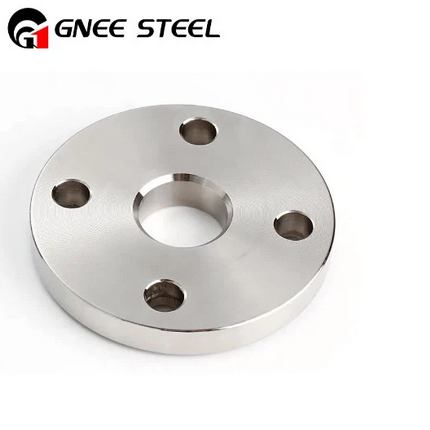
1.What is a Plate Flange?
2.What is the function of plate flange?
Sealing Ends:
Blocks the end of a pipeline or equipment to stop fluid/gas flow.
Pressure Containment:
Withstands high pressure in systems by providing a rigid, leak-proof barrier when bolted securely.
Access for Inspection/Maintenance:
Allows easy removal for cleaning, inspection, or modification of the system (e.g., in boilers, tanks, or heat exchangers).



3.How Does a Flange Work?
Alignment:
Two flanges are positioned facing each other, with their bolt holes aligned.
Gasket Installation:
A gasket (made of rubber, metal, or composite materials) is placed between the flanges to create a seal.
Bolting:
Bolts are inserted through the holes and tightened uniformly to compress the gasket, creating a tight joint that prevents leaks.
Force Distribution:
The clamping force from the bolts distributes pressure evenly across the gasket, ensuring a secure seal even under high pressure or temperature.
4.What are the benefits of flanges?
Easy Installation/Repair:
Flanged connections can be disassembled without cutting pipes, making maintenance or component replacement quick and convenient.
Leak Prevention:
Properly installed flanges with gaskets provide a reliable seal, critical in high-pressure or hazardous fluid systems (e.g., oil, gas, or chemicals).
Versatility:
Compatible with various pipe materials (steel, PVC, copper) and sizes. Available in different pressure ratings (e.g., ANSI 150, 300, 600) for diverse applications.
Structural Support:
Distributes mechanical stress across the joint, reducing the risk of pipe failure at connections.
Modular System Design:
Allows flexible system layouts, as flanges enable easy addition or removal of components (e.g., valves, meters, or filters).
5.What is the correct use of flanges?
Select the Right Flange Type:
Choose based on application (e.g., plate flanges for sealing, weld neck flanges for high-pressure systems).
Match pressure ratings (e.g., ANSI, DIN standards) and pipe sizes (e.g., NPS/DN) to avoid mismatches.
Proper Gasket Selection:
Use gaskets compatible with the fluid (e.g., chemical-resistant gaskets for corrosive liquids) and operating conditions (temperature, pressure).
Bolting Procedures:
Tighten bolts in a star pattern (not sequentially) to ensure even pressure distribution and prevent gasket damage.
Use the correct torque value (specified by the manufacturer) to avoid over-tightening (causing gasket failure) or under-tightening (leading to leaks).
Inspection and Maintenance:
Regularly check for signs of corrosion, wear, or leaks at flanged joints.
Replace gaskets and bolts if they show damage or degradation (e.g., cracks, rust).
Safety Compliance:
Follow industry standards (e.g., ASME B16.5 for pipe flanges) and safety regulations, especially in high-risk environments (e.g., petrochemical, aerospace).
Avoid Misuse:
Do not use plate flanges as regular blind flanges in systems requiring frequent access (use removable blinds instead).
Never modify flanges (e.g., drilling holes in a plate flange) without engineering approval, as this can compromise safety.



