


1. What is flange classification?
By Design:
Weld Neck Flanges (most common for high-pressure systems).
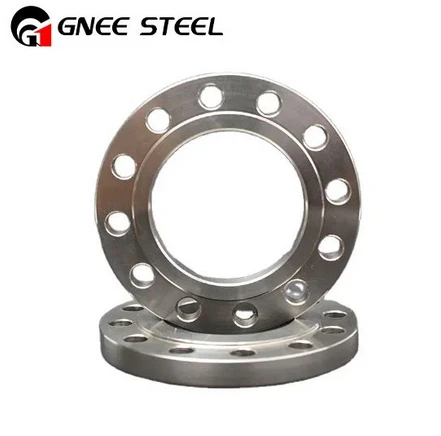
Slip-On Flanges (easy to install, lower cost).
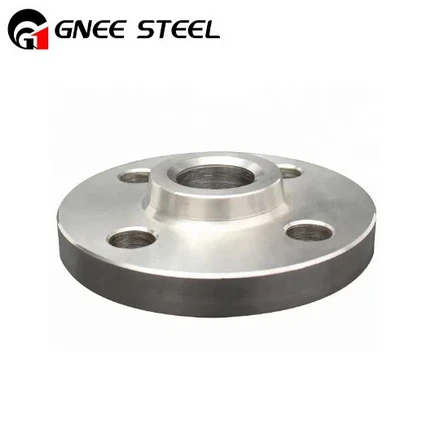
Socket-Weld Flanges (for small-bore pipes, reduces stress concentration).
Blind Flanges (seal the end of a pipe).
Threaded/NPT Flanges (for non-welded connections, rare in high-pressure systems).
Lap Joint Flanges (used with stub ends for easy alignment in corrosive environments).
By Pressure Rating:
Low-pressure: Class 150 (ASME), PN10/PN16 (EN).
Medium/high-pressure: Class 300/600 (ASME), PN25/PN40 (EN).
Extreme pressure: Class 900/1500/2500 (ASME), PN100+ (EN).
By Material:
Carbon steel (e.g., ASTM A105, A350 LF2).
Stainless steel (e.g., ASTM A182 F304, F316).
Alloy steel (e.g., ASTM A182 F11, F22).
Non-ferrous metals (e.g., copper, aluminum) or exotic alloys (e.g., Inconel).
By Face Type:
Raised Face (RF) (most common, provides a gasket seating ring).
Flat Face (FF) (used for non-critical, low-pressure systems).
Ring Type Joint (RTJ) (metal-to-metal seal for high-pressure/high-temperature applications).
2. What is the most common type of flange?
Strength: Gradual transition from pipe to flange reduces stress concentration, ideal for high-pressure, high-temperature, or cyclic load systems (e.g., oil & gas, power plants).
Leak Resistance: Full penetration welds create a robust, leak-proof connection.
Versatility: Compatible with various gasket types (RF, RTJ) and pressure ratings.
3. How many classes are in flange?


4. What is flange specification?
Standard:
ASME B16.5 (North America), DIN EN 1092 (Europe), ISO 7005 (international), or API 605 (large-diameter flanges).
Class/PN Rating: Defines pressure/temperature limits.
Material: E.g., A105 (carbon steel), F316 (stainless steel).
Type: Weld neck, slip-on, etc.
Face Type: RF, FF, RTJ, etc.
Size: Nominal Pipe Size (NPS), e.g., 2", 4", up to 48".
Bolt Pattern: Number of bolts, diameter, and spacing (must match mating flange).
5. What are the basics of flanges?
Purpose:
Connect pipes, valves, pumps, or equipment.
Facilitate disassembly for maintenance, inspection, or repair.
Provide a leak-proof seal via gaskets and bolted compression.
Key Components of a Flange Joint:
Flanges: Two mating plates (must match in type, size, and rating).
Gasket: Seals the gap between flange faces (material depends on media, pressure, and temperature).
Bolts/Nuts: Secure the flanges together, applying compression to the gasket.
Critical Design Considerations:
Pressure and Temperature: Higher ratings require thicker flanges, stronger materials, and specialized gaskets.
Corrosion Resistance: Select materials (e.g., stainless steel) for aggressive environments (e.g., saltwater, chemicals).
Alignment: Misaligned flanges cause gasket failure; ensure parallelism and bolt hole alignment during installation.
Common Industries Using Flanges:
Oil & gas, chemical processing, power generation, water/wastewater, and pharmaceuticals.



