Hey there! As a nickel alloy supplier, I've been getting a lot of questions lately about the fatigue behavior of nickel alloys. So, I thought I'd take some time to break it down for you guys.
First off, let's talk about what fatigue is. Fatigue is basically the weakening of a material caused by repeated loading and unloading. Think of it like bending a paperclip back and forth. Eventually, it'll break, right? That's fatigue in action. In the world of engineering, fatigue can be a real pain in the butt because it can lead to unexpected failures in structures and components.
Now, nickel alloys are pretty special when it comes to fatigue. They've got some unique properties that make them resistant to this kind of wear and tear. One of the main reasons for this is their microstructure. Nickel alloys typically have a fine-grained structure, which helps to distribute stress more evenly across the material. This means that the stress is less likely to concentrate in one area and cause a crack to form.
Another factor that contributes to the fatigue resistance of nickel alloys is their high strength and ductility. Strength is important because it allows the material to withstand high loads without deforming. Ductility, on the other hand, is the ability of the material to stretch and bend without breaking. When a nickel alloy has both high strength and ductility, it can absorb a lot of energy during cyclic loading, which helps to prevent cracks from growing.
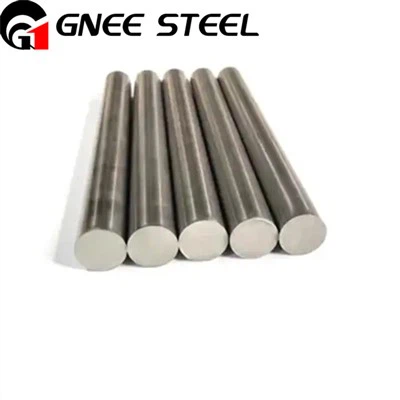
There are also different types of nickel alloys, and each one has its own unique fatigue behavior. For example, Great Quality Nickel Alloy Inconel 600 601 625 718 825 Bar is a popular choice in many industries because of its excellent corrosion resistance and high-temperature strength. In terms of fatigue, Inconel alloys tend to have a high fatigue limit, which means they can withstand a large number of cycles without failing.


Nickel 200 Alloy is another type of nickel alloy that's known for its good fatigue properties. It's a commercially pure nickel alloy that has a high electrical and thermal conductivity. Nickel 200 is often used in applications where corrosion resistance and low electrical resistance are important, such as in electrical contacts and heat exchangers.
ASTM B160 UNS N02200 Alloy Bright Bars are also part of the nickel alloy family. These bars are made to specific standards, which ensures their quality and performance. They have good mechanical properties, including fatigue resistance, and are used in a variety of industries, from aerospace to chemical processing.
But how do we actually measure the fatigue behavior of nickel alloys? Well, there are a few different methods. One common way is through a fatigue test. In a fatigue test, a sample of the nickel alloy is subjected to repeated loading and unloading at a specific frequency and stress level. The number of cycles it takes for the sample to fail is then recorded. This data can be used to create a fatigue curve, which shows the relationship between the stress level and the number of cycles to failure.
Another factor that can affect the fatigue behavior of nickel alloys is the environment. For example, if the alloy is exposed to a corrosive environment, it can weaken the material and reduce its fatigue resistance. This is because corrosion can cause pitting and cracking on the surface of the material, which can act as stress concentrators and accelerate the growth of cracks.
Temperature also plays a role in the fatigue behavior of nickel alloys. At high temperatures, the material can become softer and more prone to deformation, which can reduce its fatigue strength. On the other hand, at low temperatures, the material can become more brittle, which can also increase the risk of fatigue failure.
So, why is all this important? Well, if you're in an industry that uses nickel alloys, understanding their fatigue behavior is crucial for ensuring the safety and reliability of your products. For example, in the aerospace industry, nickel alloys are used in critical components such as turbine blades and engine parts. These components are subjected to high loads and cyclic stresses during operation, so it's essential that they have good fatigue resistance to prevent failures.
In the automotive industry, nickel alloys are used in exhaust systems and engine components. The cyclic stresses caused by the engine's operation can lead to fatigue failure if the alloys don't have the right properties. By choosing the right nickel alloy with good fatigue resistance, manufacturers can improve the durability and performance of their vehicles.
If you're in the market for nickel alloys, it's important to work with a reliable supplier who can provide you with high-quality materials. As a nickel alloy supplier, I've got a wide range of nickel alloys available, and I can help you choose the right one for your specific application. Whether you need an alloy with excellent fatigue resistance, corrosion resistance, or high-temperature strength, I've got you covered.
So, if you're interested in learning more about our nickel alloys or have any questions about their fatigue behavior, don't hesitate to reach out. We can have a chat about your requirements and figure out the best solution for you. Let's work together to ensure that your projects are a success!
References
- Callister, W. D., & Rethwisch, D. G. (2018). Materials Science and Engineering: An Introduction. Wiley.
- ASM Handbook Committee. (2000). ASM Handbook, Volume 1: Properties and Selection: Irons, Steels, and High-Performance Alloys. ASM International.