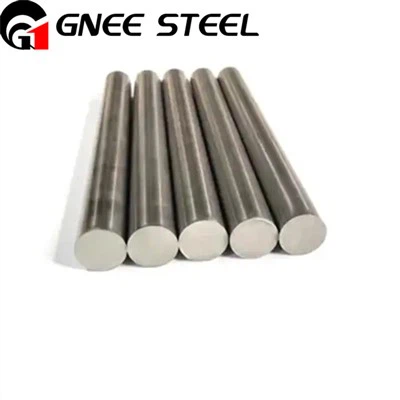
Aluminum alloy 3105 is a widely used material in various industries due to its unique properties and characteristics. As a reliable supplier of Aluminum Alloy 3105, I am here to share with you the standards that define this remarkable alloy.
Chemical Composition Standards
The chemical composition of Aluminum Alloy 3105 is a crucial factor that determines its properties. According to the international standards, the primary alloying element in 3105 is manganese (Mn), which typically ranges from 0.30% to 1.0%. Manganese helps to improve the strength and hardness of the alloy. Silicon (Si) content is usually limited to a maximum of 0.6%, and iron (Fe) is restricted to a maximum of 0.7%. These elements, when present in the appropriate amounts, contribute to the overall performance of the alloy.
Copper (Cu) content in Aluminum Alloy 3105 is kept relatively low, with a maximum of 0.20%. This is because excessive copper can reduce the corrosion resistance of the alloy. Zinc (Zn) is also limited to a maximum of 0.10%, and titanium (Ti) is typically added in small amounts, up to 0.10%, to refine the grain structure of the alloy.
Mechanical Property Standards
The mechanical properties of Aluminum Alloy 3105 are another important aspect of its standards. The alloy has a good combination of strength and ductility. The minimum tensile strength of Aluminum Alloy 3105 in the annealed (O) temper is around 110 MPa (megapascals). In the strain - hardened (H) tempers, such as H12, H14, H16, and H18, the tensile strength can increase significantly. For example, in the H18 temper, the minimum tensile strength can reach up to 205 MPa.
The yield strength of Aluminum Alloy 3105 also varies depending on the temper. In the annealed condition, the minimum yield strength is approximately 48 MPa. In the strain - hardened tempers, the yield strength can be much higher. The elongation at break, which measures the ductility of the alloy, is typically around 20% in the annealed temper and can decrease in the strain - hardened tempers.
Physical Property Standards
Aluminum Alloy 3105 has several notable physical properties. It has a relatively low density, around 2.7 g/cm³, which makes it a lightweight material. This property is highly desirable in applications where weight reduction is a key factor, such as in the automotive and aerospace industries.
The alloy has a good thermal conductivity, which allows it to transfer heat efficiently. This makes it suitable for applications such as heat exchangers. The electrical conductivity of Aluminum Alloy 3105 is also relatively high, although not as high as some pure aluminum alloys. This property makes it useful in electrical applications where conductivity is required.
Surface Finish and Tolerance Standards
When it comes to the surface finish of Aluminum Alloy 3105, different standards apply depending on the application. For general applications, a smooth and uniform surface finish is preferred. The surface should be free from defects such as cracks, pits, and scratches.
In terms of dimensional tolerances, strict standards are in place. The thickness, width, and length of Aluminum Alloy 3105 sheets and plates are specified with certain tolerances. For example, the thickness tolerance of sheets may be within ±0.05 mm for thinner gauges and may increase slightly for thicker gauges. These tolerances ensure that the material meets the requirements of various manufacturing processes.
Comparison with Other Aluminum Alloys
It is interesting to compare Aluminum Alloy 3105 with other commonly used aluminum alloys. Corrosion - Resisting Aluminum Alloy 3A21 Round Bar is another alloy with good corrosion resistance. However, Aluminum Alloy 3105 generally has better formability compared to 3A21, making it more suitable for applications that require complex shaping.
Aluminum Alloy 6063 is known for its excellent extrudability and is often used in architectural applications. While 6063 has higher strength in some tempers, Aluminum Alloy 3105 offers better corrosion resistance in certain environments.
Aluminum Alloy 3004 is similar to 3105 in terms of alloying elements, but 3004 has a higher manganese content, which gives it slightly higher strength. However, Aluminum Alloy 3105 is more cost - effective in many cases, making it a popular choice for a wide range of applications.


Applications and Compliance
Aluminum Alloy 3105 is used in a variety of applications, including roofing, siding, automotive trim, and general sheet metal work. To ensure the quality and performance of the alloy in these applications, it is essential to comply with the relevant standards.
In the automotive industry, for example, Aluminum Alloy 3105 must meet the standards set by automotive manufacturers regarding strength, corrosion resistance, and formability. In the construction industry, the alloy should comply with building codes and standards related to roofing and siding materials.
Quality Control in Production
As a supplier of Aluminum Alloy 3105, we implement strict quality control measures throughout the production process. We start with high - quality raw materials and use advanced melting and casting techniques to ensure the proper chemical composition of the alloy.
During the rolling and forming processes, we closely monitor the mechanical properties of the alloy. We use non - destructive testing methods, such as ultrasonic testing, to detect any internal defects in the material. Additionally, we conduct chemical analysis on a regular basis to ensure that the alloy meets the specified chemical composition standards.
Conclusion
In conclusion, Aluminum Alloy 3105 is a versatile and reliable material that is defined by a set of strict standards. These standards cover chemical composition, mechanical properties, physical properties, surface finish, and dimensional tolerances. By understanding these standards, customers can make informed decisions about using Aluminum Alloy 3105 in their applications.
If you are interested in purchasing Aluminum Alloy 3105 for your project, I encourage you to contact us for a detailed discussion. We are committed to providing high - quality Aluminum Alloy 3105 that meets all the relevant standards. Whether you need a small quantity for a prototype or a large volume for a mass - production project, we can meet your requirements.
References
- Aluminum Association. Aluminum Standards and Data.
- ISO standards related to aluminum alloys.
- ASTM standards for aluminum alloys.