

Q1: What are the key grades included in the high-strength Inconel tube and bar range, and their respective UNS designations?
A1: The range covers five high-strength nickel-chromium Inconel grades, each with unique UNS designations: Inconel 718 (UNS N07718), Inconel 600 (UNS N06600), Inconel 601 (UNS N06601), Inconel 625 (UNS N06625), and Inconel X-750 (UNS N07750). All are supplied as both tubes (seamless, mainly) and bars (round, flat, etc.), designed for high-strength, high-temperature, and corrosion-resistant service.
Q2: What makes these Inconel grades "high strength," and how do they differ in strength characteristics?
A2: Their high strength comes from two main strengthening mechanisms: solid-solution strengthening (Inconel 600, 601, 625) and precipitation hardening (Inconel 718, X-750). Inconel 718 and X-750 offer the highest tensile/yield strength (up to 1250 MPa tensile), ideal for extreme high-stress applications; 625 provides balanced strength and corrosion resistance; 600 and 601 excel in high-temperature strength with good ductility for forming and machining.
Q3: What product forms are available for these high-strength Inconel tubes and bars?
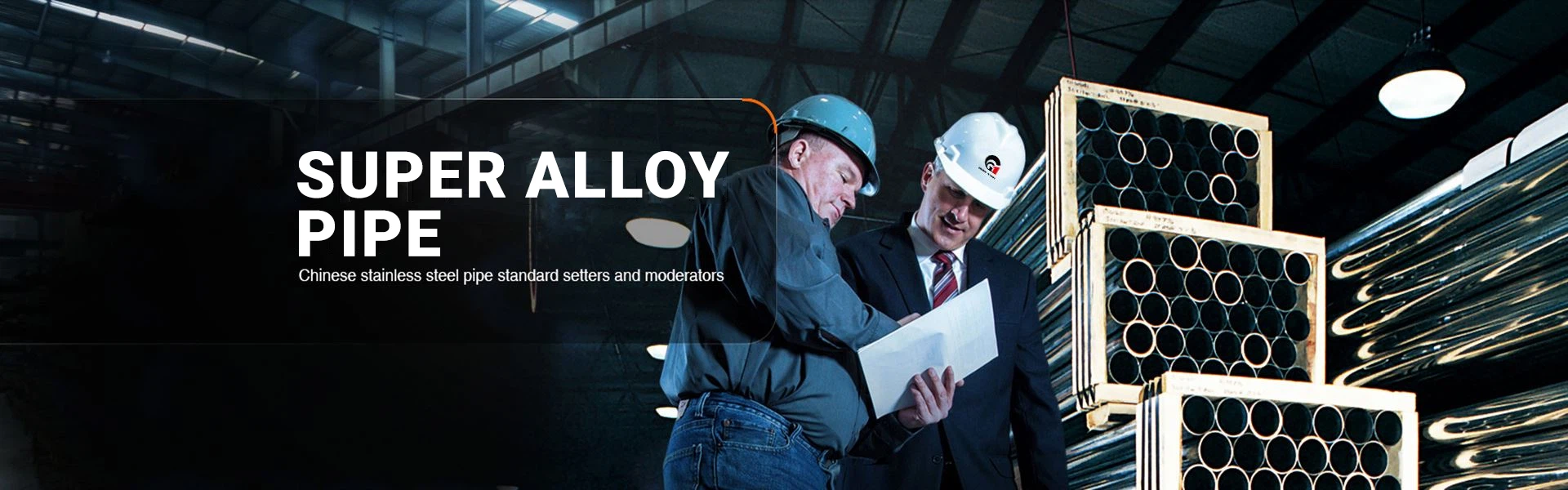
A3: Tubes are primarily supplied as seamless (conforming to relevant ASTM/ASME standards) in various outer diameters (OD), wall thicknesses (WT), and lengths, suitable for fluid transport and heat transfer. Bars are available in round bar, flat bar, square bar, and forged bar forms, with options for hot-rolled, cold-drawn, or forged processing to meet different machining and component manufacturing needs.
Q4: What are the common standards governing the production of these Inconel tubes and bars?
A4: Key international standards include ASTM B163 (tubes for heat exchangers), ASTM B407 (seamless nickel alloy tubes), ASTM B166 (Inconel 600 bars), ASTM B168 (Inconel 601/625 bars), ASTM B637 (Inconel 718 bars), and ASME SB equivalents. These standards regulate chemical composition, mechanical properties, heat treatment, dimensional tolerances, and non-destructive testing to ensure high strength and reliability.
Q5: What are the typical industrial applications of these high-strength Inconel tubes and bars?
A5: They are widely used in harsh industrial environments requiring high strength and corrosion resistance: aerospace (engine components, hydraulic tubes), petrochemical (cracking furnaces, downhole tubing), power generation (boiler tubes, turbine parts), nuclear energy (reactor components), marine engineering (seawater-resistant parts), and high-temperature industrial furnaces-all scenarios where standard alloys fail to meet strength and durability requirements.


