

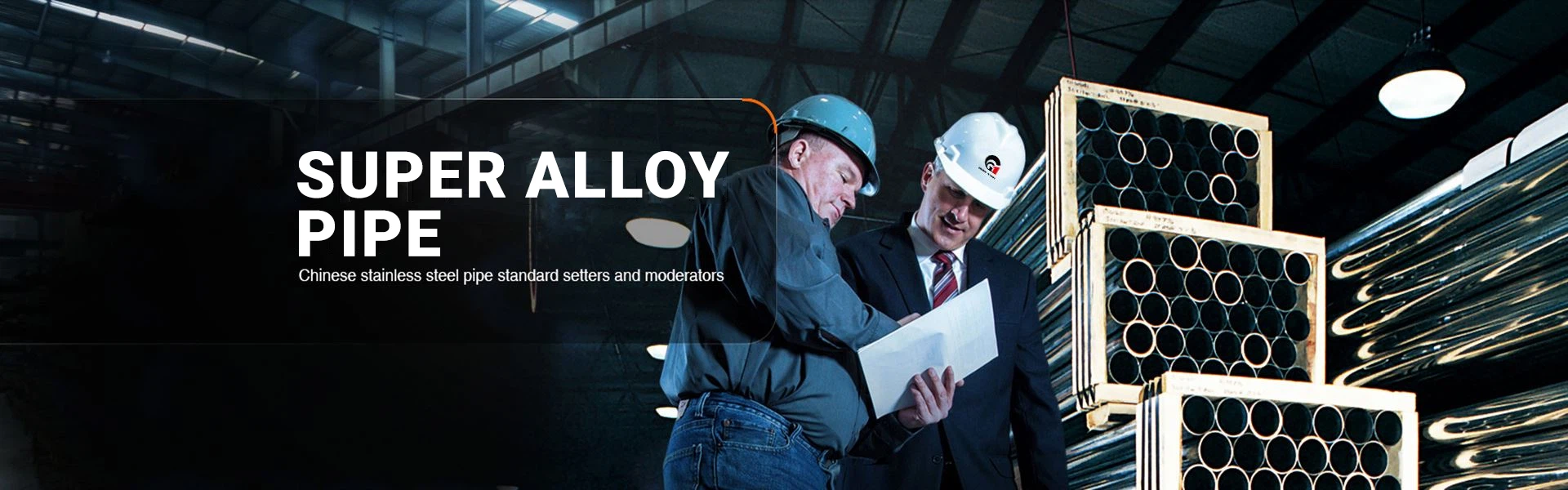
Q1: What are the main applications of these cold-rolled seamless pipes?
A: These pipes are widely used in power plants, petrochemical, chemical processing, oil & gas, aerospace, shipbuilding, and high-temperature industrial systems. They are suitable for high-pressure and high-temperature applications, corrosion-resistant installations, and structural purposes depending on the alloy type.
Q2: How do Inconel, Alloy Steel, Mild Steel, and Carbon Steel pipes differ in performance?
A:
Inconel (600, 601, 625, 718, 725, 926, X750): Excellent resistance to oxidation, corrosion, and high-temperature stress, suitable for chemical and marine environments.
Alloy Steel: Offers enhanced strength, toughness, and heat resistance over carbon steel; suitable for high-pressure service.
Mild Steel (SMLS): Cost-effective with good ductility and weldability, suitable for low-pressure applications.
Carbon Alloy Steel: Provides strength and durability, suitable for moderate temperature and pressure environments.
Q3: What does "cold rolled seamless" indicate about pipe quality?
A: "Cold rolled" means the pipe was finished at room temperature, resulting in high dimensional accuracy, smooth surface, and improved mechanical properties. "Seamless" indicates it is manufactured without a welded seam, ensuring uniform wall thickness, better pressure resistance, and higher reliability for critical applications.
Q4: Are these pipes suitable for high-temperature or corrosive environments?
A: Yes, particularly Inconel alloys (600, 601, 625, 718, 725, 926, X750) and alloy steels. Inconel alloys are highly resistant to oxidation, acidic or chloride-containing environments, and high-temperature creep, making them ideal for furnaces, heat exchangers, and chemical reactors. Mild steel and carbon steel pipes are suitable for less aggressive environments unless surface coatings or liners are applied.
Q5: What inspections and certifications are provided for these pipes?
A: Common quality checks include:
Chemical composition analysis (to ensure alloy specification compliance)
Mechanical testing: tensile strength, yield strength, elongation, hardness
Non-destructive testing: ultrasonic, eddy current, or hydrostatic pressure tests
Dimensional and surface inspections
Certificates: Material Test Certificates (MTC), EN 10204/3.1, ASTM or GB/T compliance documentation
These procedures guarantee the pipe meets industry standards and service requirements.


