


What is the grade 825 steel?
Alloy 825 (UNS N08825) is an austenitic nickel-iron-chromium alloy with added molybdenum, copper, and titanium. It was developed to provide excellent corrosion resistance in oxidizing and reducing environments. The alloy resists chloride stress corrosion cracking and pitting corrosion. The addition of titanium stabilizes Alloy 825 so that it does not sensitize in the welded condition, making the alloy resistant to intergranular corrosion after exposure to temperature ranges that would sensitize unstable stainless steels. Alloy 825 is manufactured as a typical nickel-based alloy and the material is easily formed and welded by a variety of techniques.

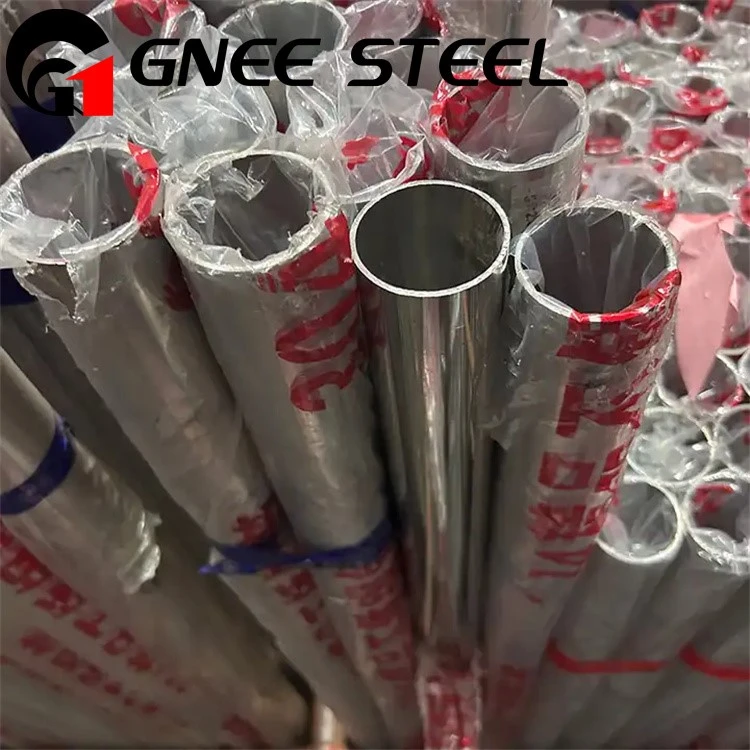
Alloy 825 (UNS N08825) is an austenitic nickel-iron-chromium alloy with added molybdenum, copper, and titanium. It was developed to provide excellent resistance to a wide range of corrosive environments (oxidizing and reducing).
The nickel content of Alloy 825 makes it resistant to chloride stress corrosion cracking and, combined with molybdenum and copper, provides significantly improved corrosion resistance in reducing environments compared to conventional austenitic stainless steels. The chromium and molybdenum content of Alloy 825 provides resistance to chloride pitting corrosion as well as resistance to various oxidizing atmospheres. The addition of titanium stabilizes the alloy and prevents sensitization in the welded state. This stability allows Alloy 825 to resist intergranular attack after exposure to temperature ranges that would normally sensitize unstabilized stainless steels.
Alloy 825 provides corrosion resistance in a variety of process environments, including sulfuric acid, sulfurous acid, phosphoric acid, nitric acid, hydrofluoric acid and organic acids and bases such as sodium or potassium hydroxide, as well as acidic chloride solutions.
Alloy 825 is manufactured as a typical nickel-based alloy and the material is easily formed and welded by a variety of techniques.



