


In high-risk engineering, Inconel 625 and Inconel 718 are two major players, but their applications are quite different. For purchasing managers and system designers, the most costly mistake is material failure due to environmental incompatibility.
Choosing the right UNS N06625 or UNS N07718 depends on priorities regarding water corrosion and mechanical loads.
Click here for an Inconel 625 product quote
What are the differences between Inconel 625 and Inconel 718 alloys?
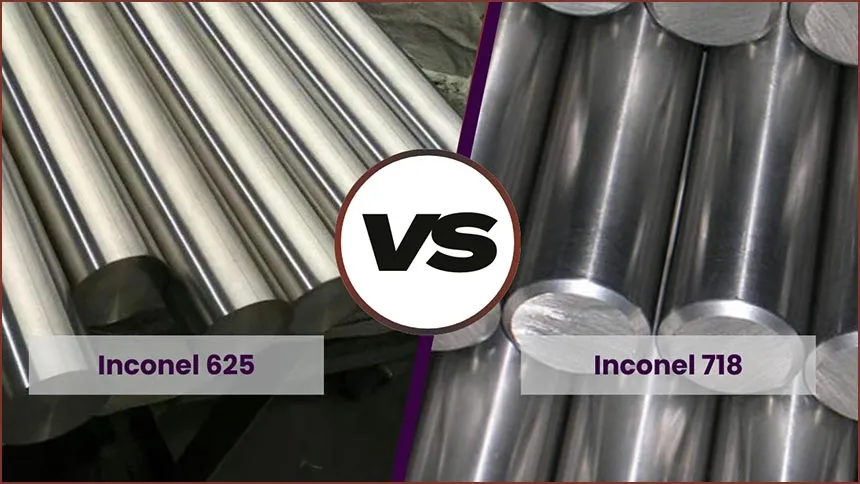
What are the differences between Inconel 625 and Inconel 718 alloys?
The main difference lies in the fact that Inconel 625 is designed primarily for extremely high corrosion resistance and oxidation resistance, while Inconel 718 is optimized for ultra-high mechanical strength and fatigue resistance. Both are nickel-based superalloys, but their different compositions and strengthening mechanisms make them suitable for different engineering needs.
What are the applications of Inconel 718?
Inconel 718 is a precipitation-hardening nickel-chromium superalloy favored for its exceptional strength, creep resistance, and corrosion resistance at extreme temperatures (from low to very low). It is primarily used in harsh environments in industries such as aerospace, oil and gas, and power generation.
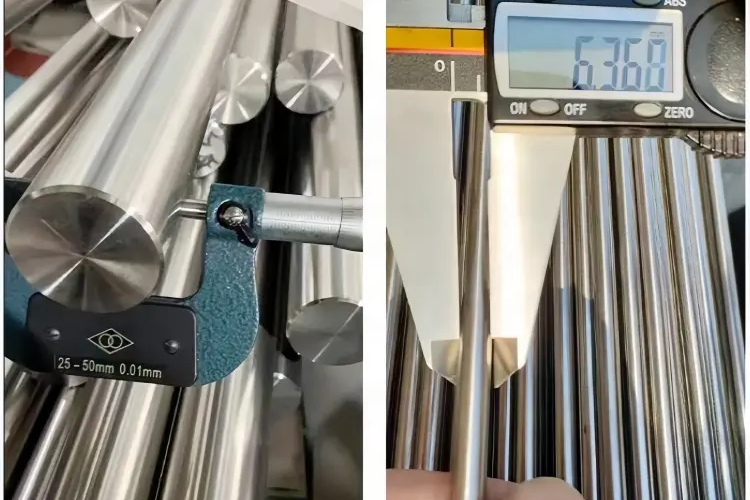
1. Inconel 625 and Inconel 718 Material Overview
| Parameter | Inconel 625 | Inconel 718 |
|---|---|---|
| UNS Number | N06625 | N07718 |
| Chinese Equivalent | GH3625 | GH4169 |
| Material Type | Wrought Nickel-based Corrosion Resistant Alloy | Wrought Nickel-based Superalloy |
| Strengthening Mechanism | Solid-solution strengthening (Mo + Nb) | Precipitation hardening (γ″ + γ′) |
| Product Forms | Bar, plate, tube, strip, wire, forging | Bar, forging, plate, tube, strip, wire |
| Typical Applications | Chemical equipment, marine engineering, FGD scrubbers, exhaust systems | Turbine discs, compressor blades, fasteners, shafts, rocket engines |
| Maximum Service Temperature (Load-Bearing) | ~600°C | ~650 – 700°C |
| Maximum Service Temperature (Oxidation) | ~980°C | ~980°C |
2. Comparison of the chemical composition of Inconel 625 and Inconel 718 (wt%)
| Element | Inconel 625 | Inconel 718 | Key Difference |
|---|---|---|---|
| Nickel (Ni) | ≥ 58.0 (Balance) | 50.0 – 55.0 | 625 has higher Ni |
| Chromium (Cr) | 20.0 – 23.0 | 17.0 – 21.0 | 625 has higher Cr |
| Iron (Fe) | ≤ 5.0 | Balance (~18-20) | 718 has much higher Fe |
| Molybdenum (Mo) | 8.0 – 10.0 | 2.80 – 3.30 | 625 has ~3x more Mo |
| Niobium (Nb) | 3.15 – 4.15 | 4.75 – 5.50 | 718 has higher Nb |
| Titanium (Ti) | ≤ 0.40 | 0.65 – 1.15 | 718 contains Ti |
| Aluminum (Al) | ≤ 0.40 | 0.20 – 0.80 | 718 contains Al |
| Carbon (C) | ≤ 0.10 | ≤ 0.08 | Similar |
| Manganese (Mn) | ≤ 0.50 | ≤ 0.35 | Similar |
| Silicon (Si) | ≤ 0.50 | ≤ 0.35 | Similar |
| Phosphorus (P) | ≤ 0.015 | ≤ 0.015 | Similar |
| Sulfur (S) | ≤ 0.015 | ≤ 0.015 | Similar |
| Boron (B) | – | 0.002 – 0.006 | 718 contains B |
| Cobalt (Co) | ≤ 1.0 | ≤ 1.00 | Similar |
| Copper (Cu) | ≤ 0.07 | ≤ 0.30 | – |
Click here to download the Inconel 625 alloy PDF file
3. Applications of Inconel 625 and Inconel 718 features
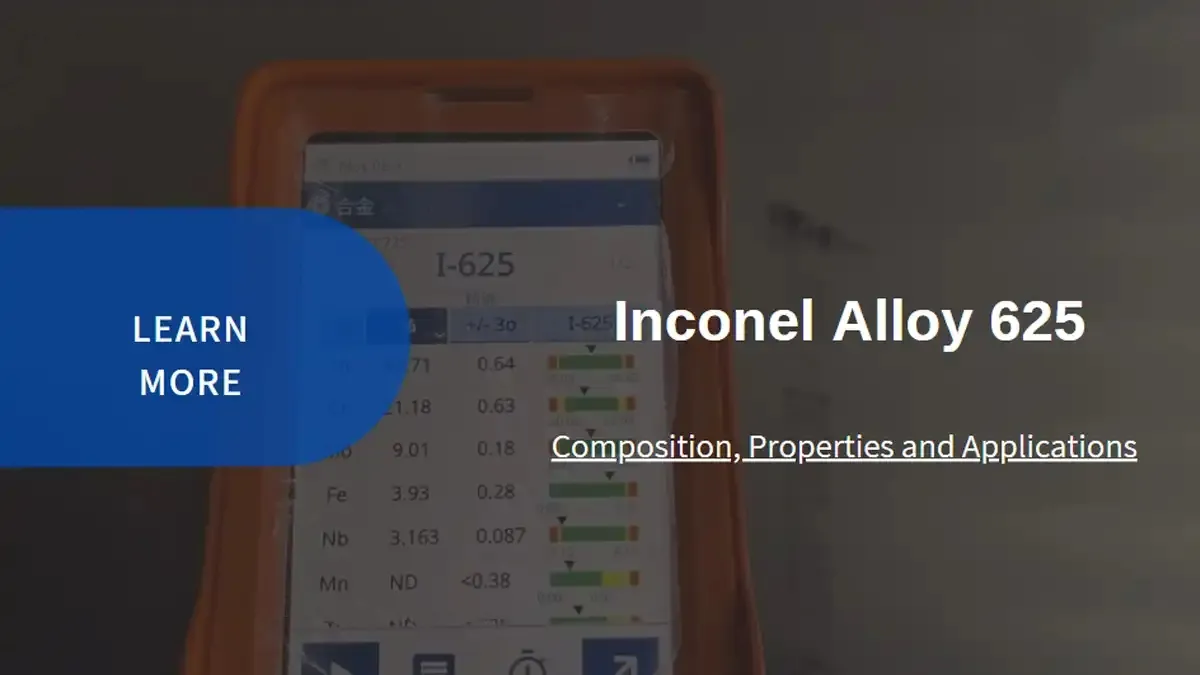
Inconel 625 (UNS N06625) Alloy
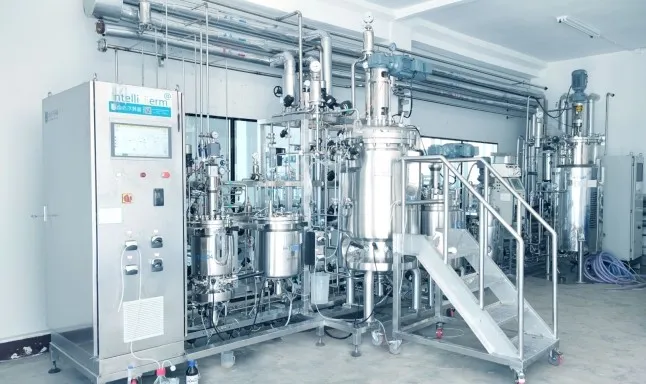
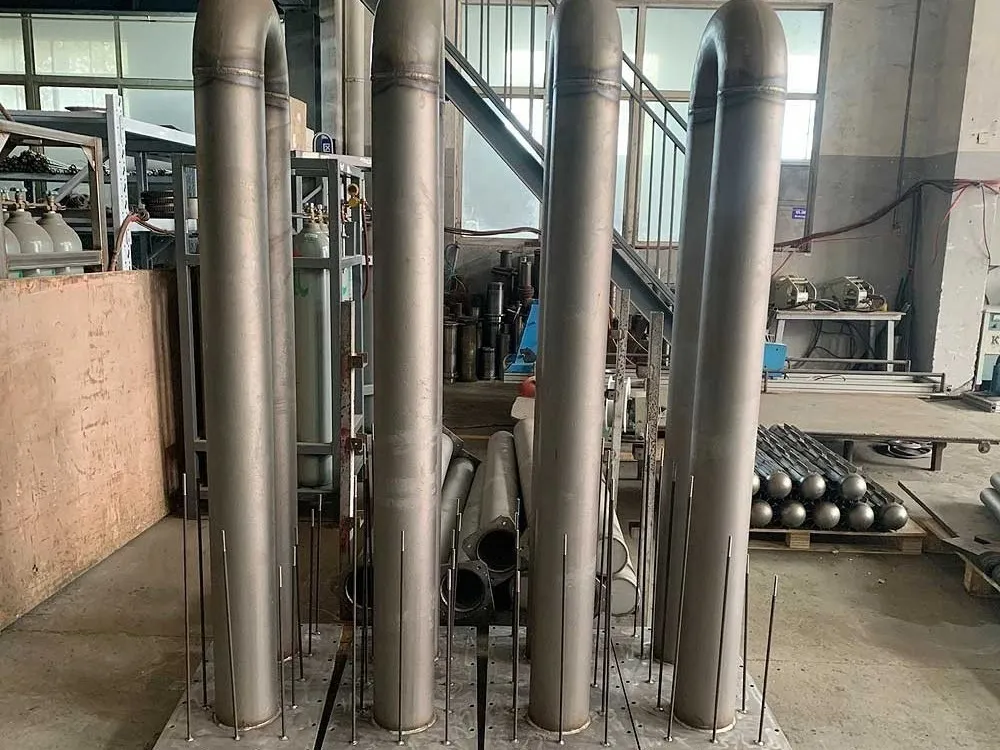
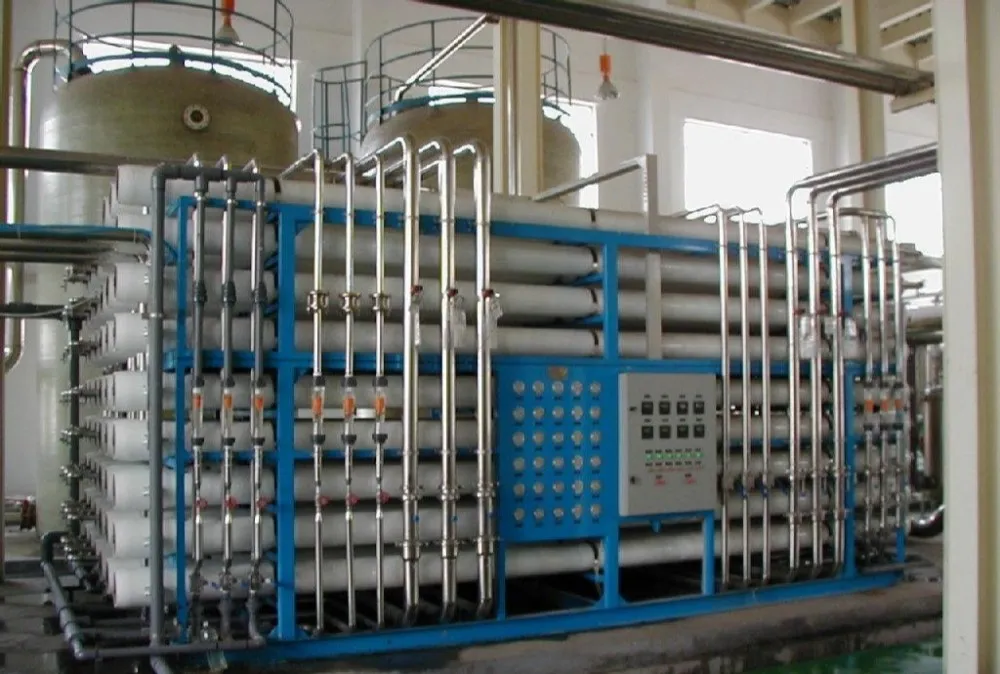
Inconel 625 is a solid-solution strengthened alloy. It doesn't rely on complex heat treatment; its power comes from the high Molybdenum (9%) and Niobium (3.5%) content.
Key Advantage: Virtually immune to chloride-ion stress corrosion cracking and pitting.
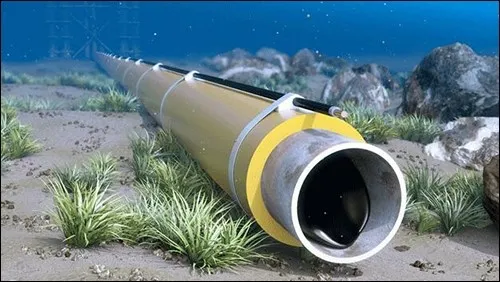
Best For: Seawater systems, chemical reactors, flare stacks, and offshore manifolds.
Commercial Value: The most Cost-effective Solution for long-term survival in acidic and marine environments.
3. Inconel 718 (UNS N07718) Alloy
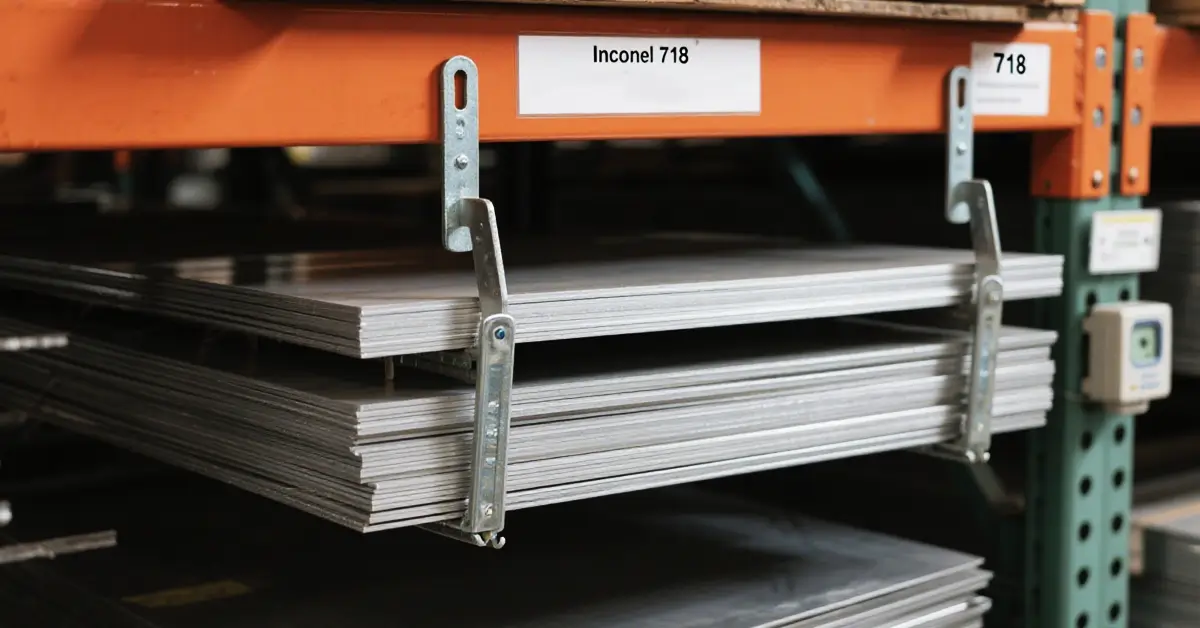
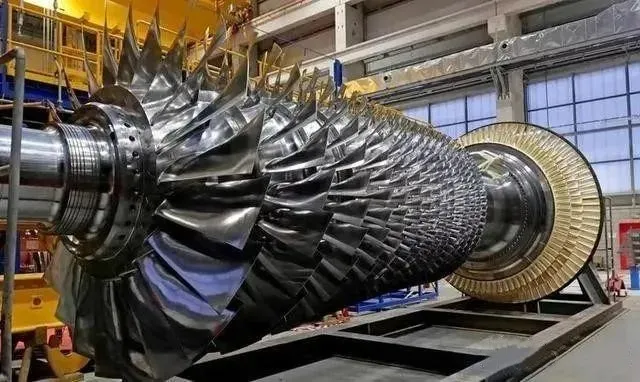
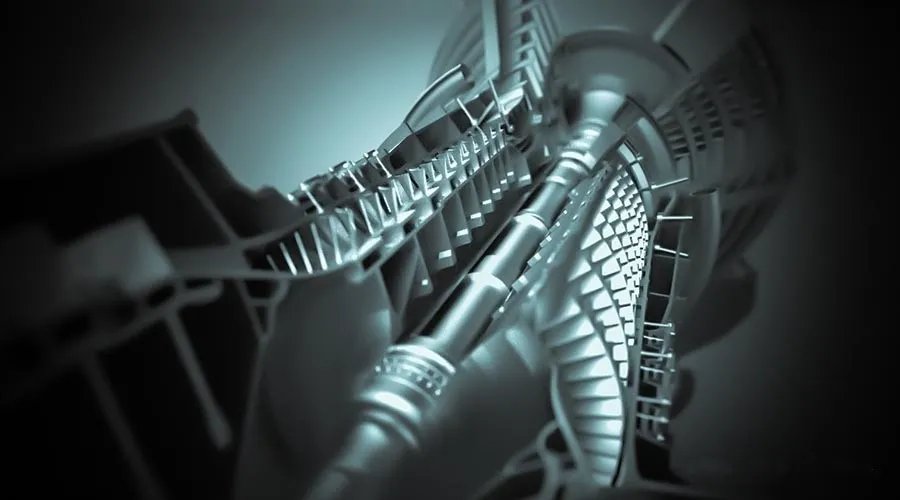
Inconel 718 is a precipitation-hardened superalloy. Its strength is achieved through a complex Double-Aging process that precipitates the γ′′ (Gamma Double Prime) phase.
Key Advantage: Maintains elite tensile and creep-rupture strength at temperatures where others soften.
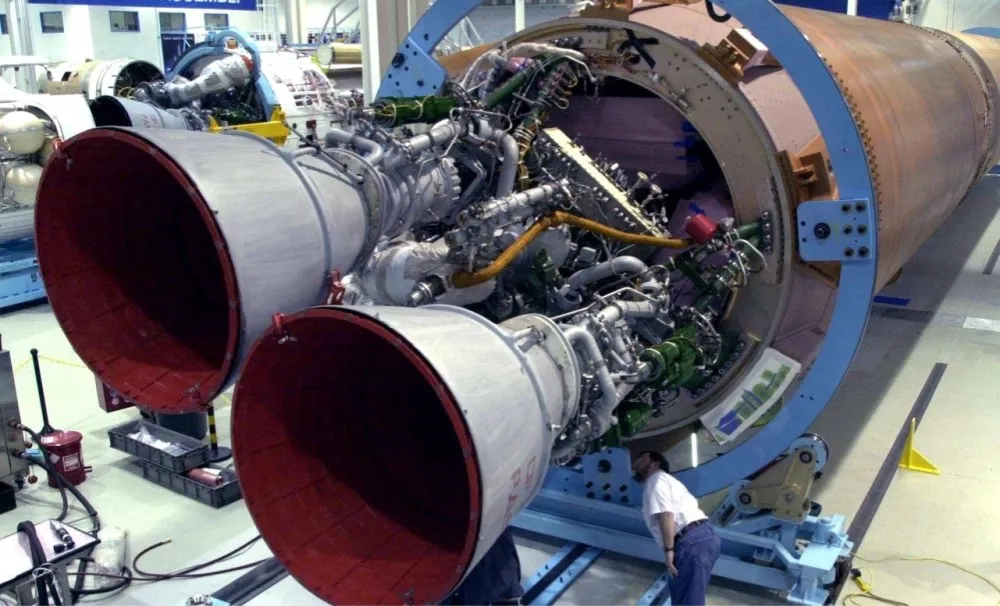
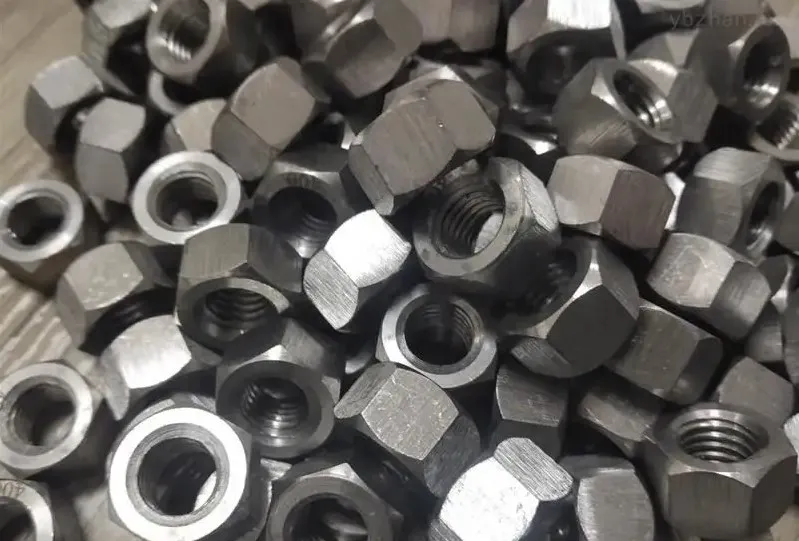
Best For: Turbine discs, engine shafts, rocket motors, and high-strength fasteners.
Commercial Value: A necessary investment for parts where Structural Integrity under load is the #1 priority.
4. Comparison of high-temperature mechanical properties of Inconel 625 and Inconel 718
| Temp (°C) | Property | Inconel 625 | Inconel 718 |
|---|---|---|---|
| 500 | Tensile (MPa) | ~680 | ~1150 |
| Yield (MPa) | ~360 | ~950 | |
| 600 | Tensile (MPa) | ~600 | ~1100 |
| Yield (MPa) | ~330 | ~900 | |
| 650 | Tensile (MPa) | ~550 | ~1000 |
| Yield (MPa) | ~300 | ~850 | |
| 700 | Tensile (MPa) | ~500 | ~850 |
| Yield (MPa) | ~270 | ~750 | |
| 800 | Tensile (MPa) | ~400 | ~500 |
| Yield (MPa) | ~220 | ~450 |
High-Temperature Strength Retention
| Temperature | 625 Retention | 718 Retention |
|---|---|---|
| 500°C | ~82% | ~90% |
| 600°C | ~72% | ~86% |
| 650°C | ~66% | ~78% |
| 700°C | ~60% | ~66% |
5. Corrosion resistance comparison between Inconel 625 and Inconel 718 Alloy
| Environment | Inconel 625 | Inconel 718 | Advantage |
|---|---|---|---|
| Oxidizing Acids (HNO₃) | Excellent | Good | 625 |
| Reducing Acids (H₂SO₄, HCl) | Excellent | Poor | 625 |
| Chloride Pitting | Excellent | Moderate | 625 |
| Crevice Corrosion | Excellent | Moderate | 625 |
| Chloride SCC | Excellent | Good | 625 |
| Seawater | Excellent | Limited | 625 |
| Sour Gas (H₂S/CO₂) | Excellent | Good (with proper HT) | 625 |
| High-Temperature Oxidation | Excellent to 980°C | Good to 980°C | Similar |
Corrosion Resistance Rating (1-5, 5 = best)
| Environment | 625 | 718 |
|---|---|---|
| Sulfuric Acid | 5 | 2 |
| Hydrochloric Acid | 5 | 1 |
| Seawater | 5 | 2 |
| Chloride SCC | 5 | 4 |
Why Choose Gnee as Your Nickel-Based Alloy Supplier
As a specialized manufacturer, we eliminate the supply chain risk:
✅️VIM + VAR Melting: Ensuring ultra-pure chemistry to maximize fatigue life for both grades.
✅️Wholesale Pricing: Benefit from Direct Factory Price on bulk orders for energy and aerospace programs.
✅️Massive Bulk Inventory: Seamless pipes, round bars, and sheets In Stock for immediate dispatch.
✅️MTC 3.1 Traceability: Full heat-analysis and mechanical property verification documented with every order.
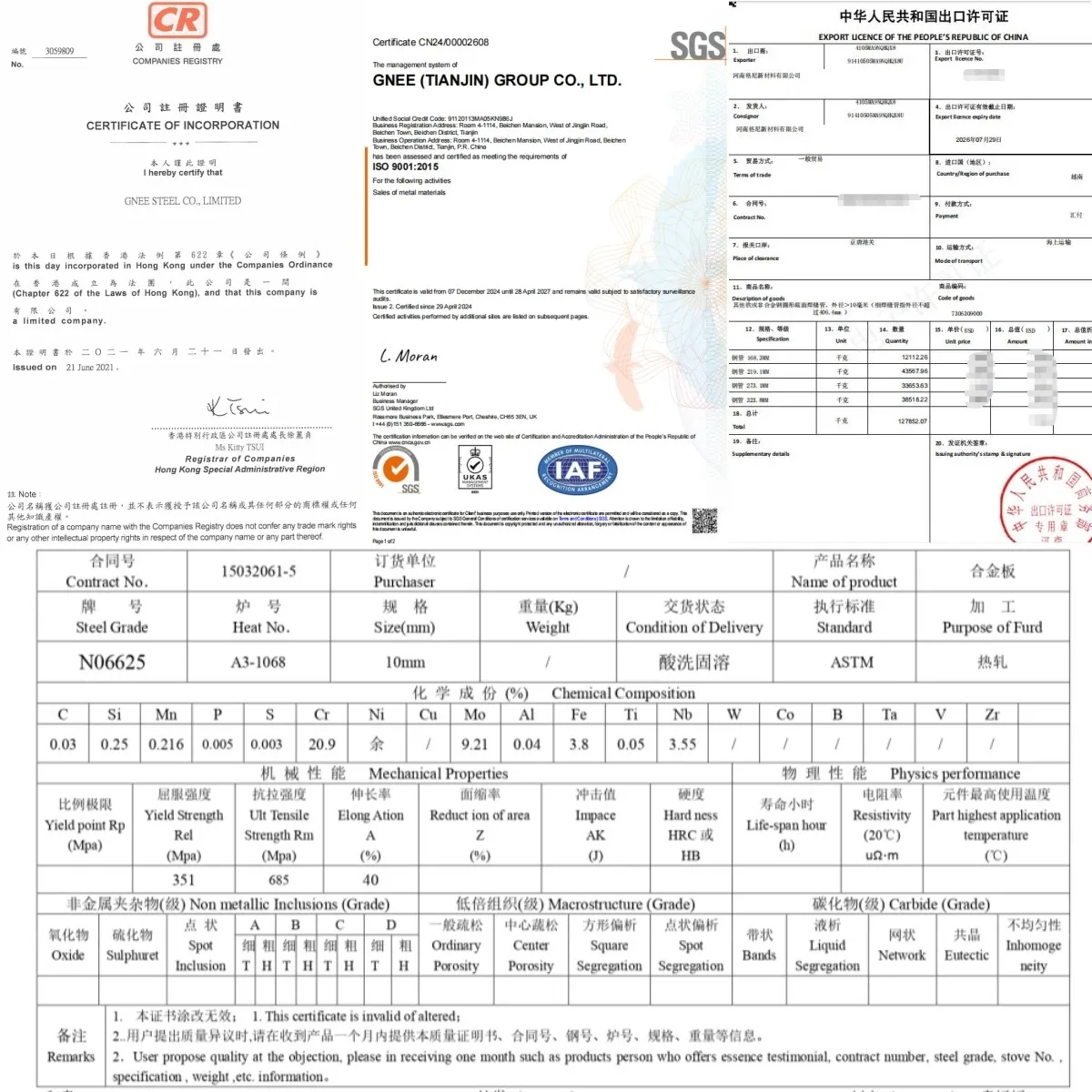
Gnee Alloy inconel 625 Certificate
📦 Packaging and Shipping
All Nickel Based Alloy products are packaged using the following methods:
Wooden pallets or crates
Moisture-proof packaging
Labels with furnace number, standard, and size labels
Shipped worldwide by sea, air, or express
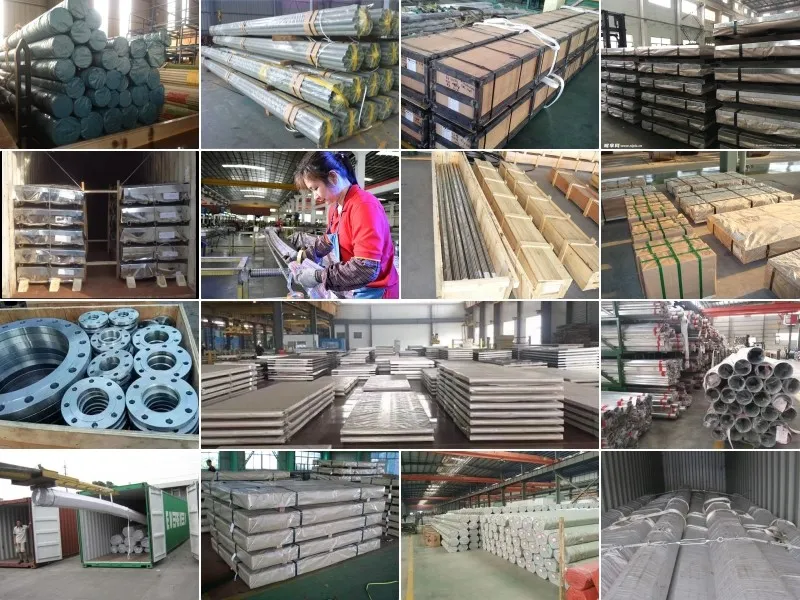
Gnee Alloy 625 Product Packing
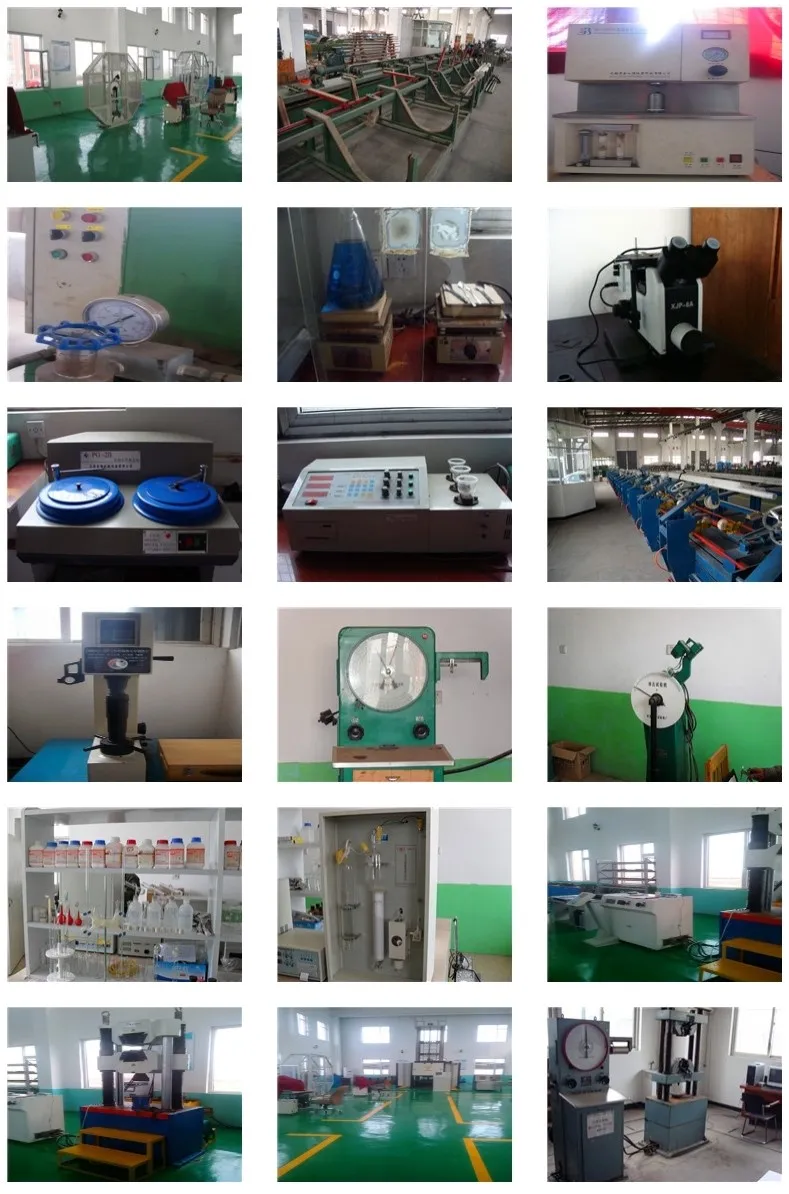
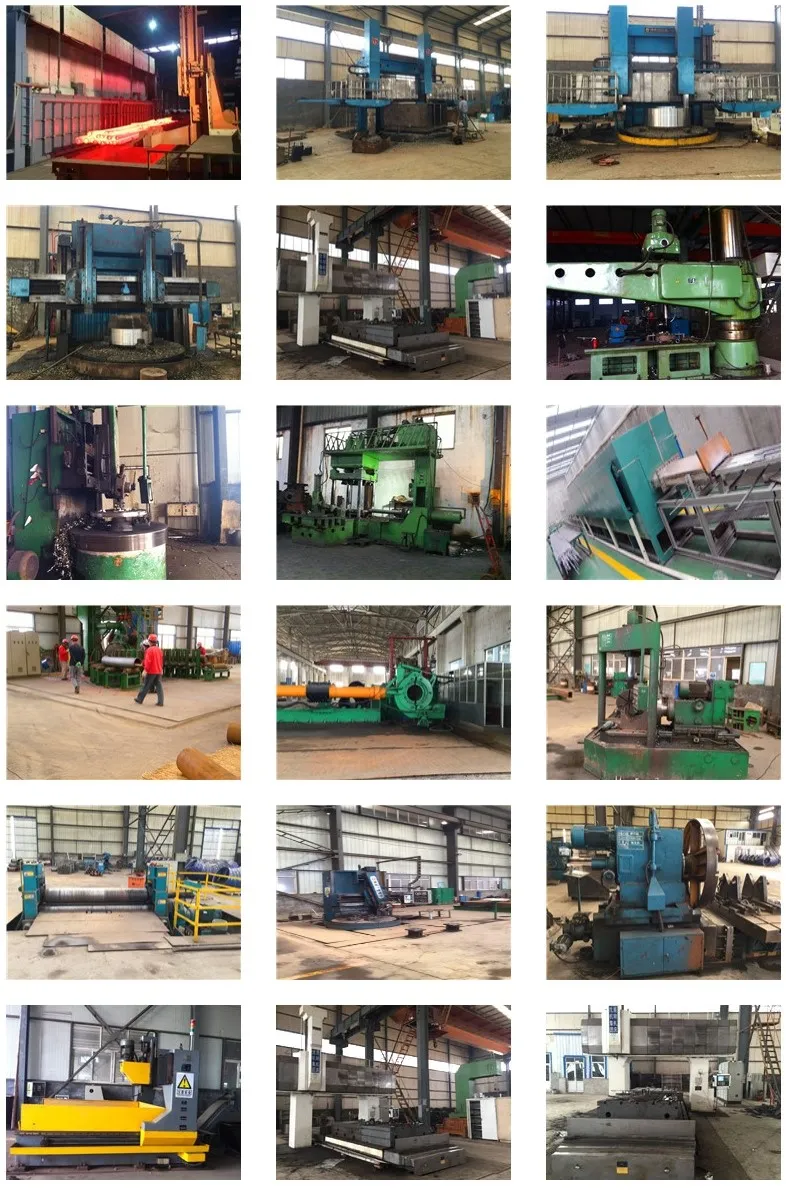
⚒️Gnee Alloy Production Line Equipment and Product Testing
Contact us for the latest export price quote for 625 Alloy
FAQ
Q1: Can I use Inconel 625 for high-pressure fuel lines?
A: Only if the temperature is low. For safety-critical turbine fuel lines at 650°C, Inconel 718 is preferred due to its superior resistance to vibration fatigue and high yield strength.
Q2: Is Inconel 718 weldable for complex assemblies?
A: Yes. Unlike other high-strength alloys, 718 has a "delayed aging" response, allowing it to be welded in the solution-treated condition without the risk of spontaneous cracking.
Q3: Which alloy handles sour gas (H2S) better?
A: Both are excellent. However, Inconel 625 is generally chosen for its superior pitting resistance unless the specific tensile load requirements force a move to Inconel 718 (compliant with NACE MR0175).


