


What Is Sensitization?
Hastelloy contains chromium, which is the core element responsible for forming a corrosion-resistant passive film. When the material is exposed to the temperature range of 480°C to 760°C (the "danger zone"), chromium and carbon combine to precipitate chromium carbides at the grain boundaries. This process heavily consumes the chromium located at the grain boundaries, depleting its local concentration and creating a "chromium-depleted zone." This phenomenon of chromium carbide precipitation and grain-boundary chromium depletion is known as sensitization.
Although mill-supplied C-276 in the solution-annealed condition has a tightly controlled ultra-low carbon content and does not exhibit sensitization upon delivery, fabrication processes frequently subject the material to this critical temperature range-most notably during welding. The weld heat-affected zone (HAZ) is briefly exposed to the 480°C–760°C window. Additionally, localized heating during fabrication, heat treatments, or subsequent repair welding can also trigger sensitization. Even if the base metal meets all mill standards, the weld HAZ is the most susceptible location for sensitization and typically serves as the primary site where intergranular corrosion originates. In many failed industrial components, while the base metal remains intact, corrosion damage initiates around the welds-with sensitized intergranular corrosion being the root cause.
What Is Hastelloy C-276 (UNS N10276)?
Hastelloy C-276 (UNS N10276) is a nickel-molybdenum-chromium wrought corrosion-resistant alloy with maximum carbon content of 0.010%. Its low-carbon formulation restricts carbide precipitation during thermal cycles such as welding.
The alloy offers resistance to pitting, crevice corrosion and stress corrosion cracking. It performs steadily in mixed oxidizing and reducing media including wet chlorine, hypochlorite and strong acid blends. It maintains mechanical properties over broad temperature ranges and has good weldability. Unlike most stainless steels, properly welded C‑276 requires no post-weld heat treatment for most corrosive services, widely applied in chemical processing, flue gas desulfurization and environmental control equipment.
Why Conduct Sensitization Corrosion Tests on a Low-Carbon Alloy Like C-276?
Given its extremely low carbon content(C≤0.01%), many assume Hastelloy C-276 is completely immune to sensitization. While this low-carbon design significantly minimizes the tendency toward sensitization, it does not entirely eliminate the risk.
The Logic Behind Sensitization Corrosion Testing: Simulating Severe Thermal Histories.
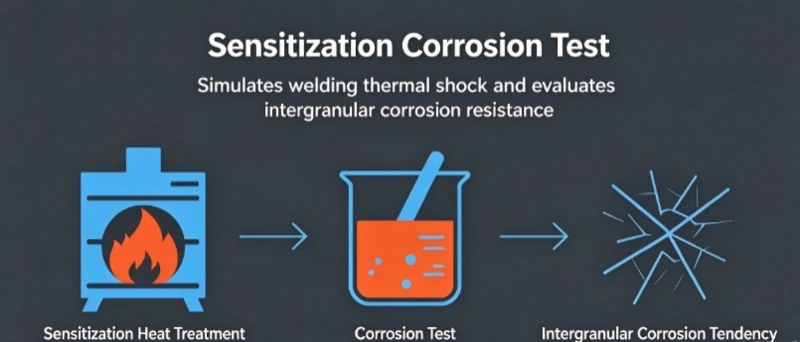
As-supplied mill plates in the solution-annealed condition are free of sensitization. Consequently, this test does not evaluate raw, unheated plate material. Instead, the laboratory first applies a standard sensitization heat treatment-artificially holding the material in the dangerous temperature range to deliberately induce sensitization-before subsequently executing the corrosion test.
Assessing Post-Thermal Impact and Metallurgical Integrity
In short, this procedure simulates the thermal shocks introduced by welding or repair welding to evaluate the material's intergranular corrosion resistance after high-temperature exposure. The testing aims to verify two key aspects:
1.Whether the material remains free of intergranular corrosion caused by sensitization even after experiencing welding thermal cycles.
2.Whether the smelting carbon control and solution-annealing manufacturing processes meet proper technical standards.
Alloy C-276 Chemical Composition
Chemical Composition (wt%) limits as specified in ASTM B574
| Carbon | 0.010 | Silicon | 0.08 |
| Chromium | 14.5-16.5 | Cobalt | 2.5 |
| Iron | 4.0-7.0 | Vanadium | 0.35 |
| Molybdenum | 15.0-17.0 | Phosphorus | 0.04 |
| Tungsten | 3.0-4.5 | Sulfur | 0.03 |
| Manganese | 1.0 |
Alloy C-276 Physical Properties
| Density, lb/in3 | 0.321 |
| Modulus of Elasticity, psi | 29.8 x 10⁶ |
| Coefficient of Thermal Expansion, 68-212˚F, /˚F | 6.2 x 10⁻⁶ |
| Thermal Conductivity, Btu/ft hr ˚F | 5.9 |
| Specific Heat, Btu/lb ˚F | 0.10 |
| Electrical Resistivity, Microhm-in | 51.2 |
Alloy C-276 Mechanical Properties
| Yield Strength, min. (ksi) | 41 |
| Tensile Strength, min. (ksi) | 100 |
| Elongation, min. (%) | 40 |
Typical Applications of Hastelloy C-276 (UNS N10276)
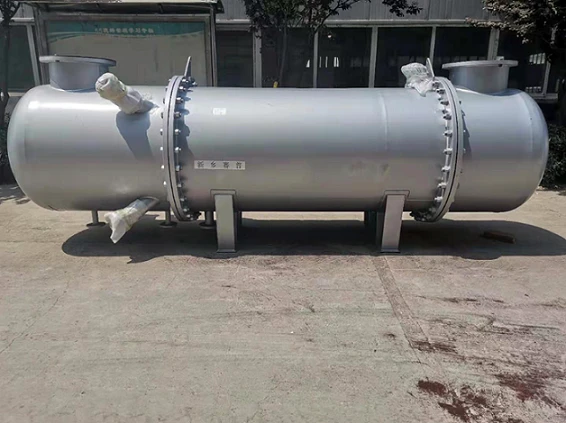
- Chemical process equipment: Hydrometallurgical reactors, mixing vessels, heat exchangers, pipes, valves and flanges for service in chlorides, wet chlorine and hypochlorite environments.
- Flue gas desulfurization (FGD): Power plant absorber towers, flue ducts and spray piping against sulfur-containing flue gas and condensed acid with chloride.
- Acid handling facilities: Equipment for hydrochloric acid, sulfuric acid and mixed acid service; waste incineration & off-gas systems resisting combined oxidizing and reducing corrosion.
- Oil & gas industry: Sour oilfield equipment with H₂S and chloride, downhole fittings and gathering lines, resistant to pitting, crevice corrosion and stress corrosion cracking.
- Pharmaceutical & fine chemical industry: Reaction vessels and distillation columns for high-purity corrosive service to prevent metal ion contamination.
- Pulp & paper industry: Bleaching section equipment for chlorine dioxide bleaching, resisting strong oxidizing bleaching media.
- Seawater & brine systems: Heat exchangers in high-salinity brine, resisting chloride-induced pitting and crevice corrosion.
- Waste treatment: Tanks and processing equipment for hazardous corrosive wastewater, suitable for media with variable corrosive compositions.
Critical Operating Conditions Requiring Post-Sensitization Corrosion Testing

Extensive Welding and Frequent Field Repairs
Large-scale vessels, heavy tanks, and extensive piping networks involve numerous weld seams and a high probability of on-site touch-up or repair welding during later maintenance. The heat-affected zones (HAZ) surrounding these weld repairs face the highest risk of metallurgical degradation and sensitization.
Aggressive Media with Intergranular Attack Triggers
Environments containing aggressive chemicals such as chlorides, sulfuric acid, and organic acids-commonly found in wet scrubber exhaust gas streams, acid pickling systems, and chemical reaction units. Once grain boundary chromium depletion occurs, corrosive media rapidly attack the grain boundaries, propagating inward. This can result in severe internal structural failure while the outer surface appears completely intact.


Long-Term or Intermittent Exposure to the 480°C–760°C Temperature Range
Equipments whose operational profiles involve process temperature fluctuations, thermal cycling during startup and shutdown, or localized overheating that sustains service within the dangerous sensitization temperature window.
Critical Equipment with High Safety and Consequence Levels
High-risk applications where equipment failure or leakage leads to catastrophic safety and environmental consequences, such as core environmental exhaust gas purification systems and hazardous chemical processing units.
Available Hastelloy C-276 Product Forms
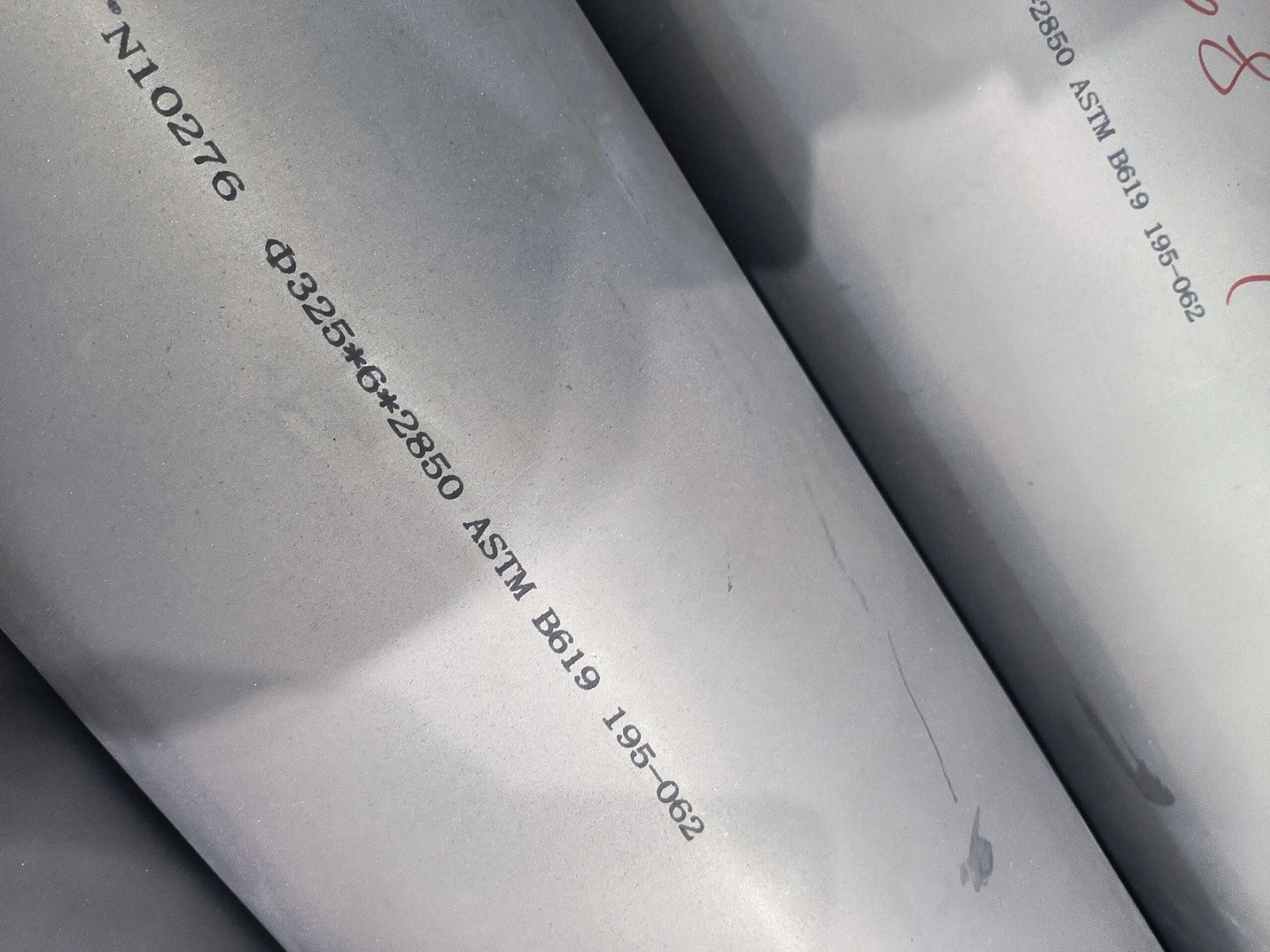
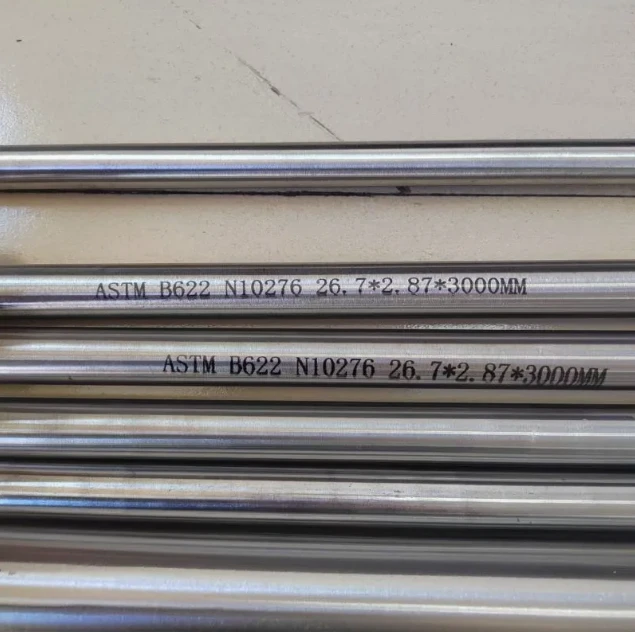
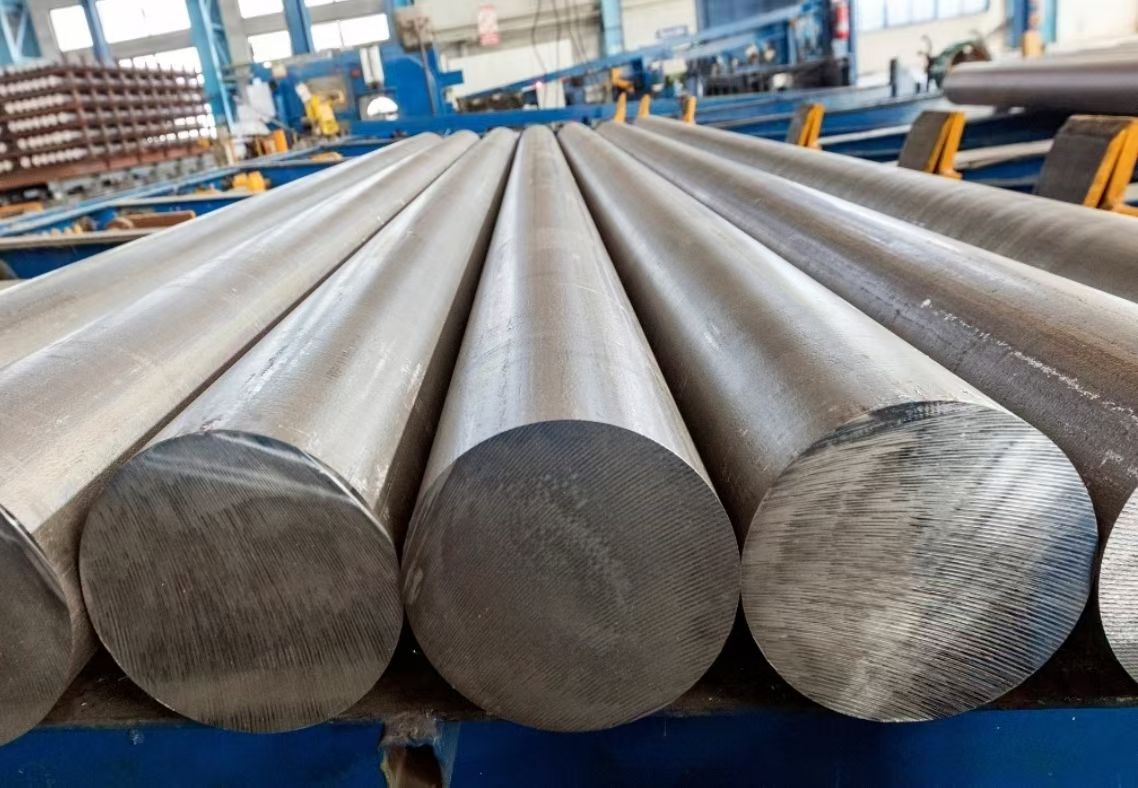
We supply Hastelloy C-276 (UNS N10276) in multiple wrought product forms to match different fabrication requirements. Our portfolio includes seamless tube & pipe, plate & sheet, round bar and pipe fittings. All items follow ASTM standards, with full PMI and dimensional inspection before shipment. You can select semi-finished materials or finished fittings for chemical, flue gas desulfurization and corrosive processing projects.



How to Verify Hastelloy C-276 Intergranular Corrosion Resistance?
| Items to Verify | Items to Confirm |
|---|---|
| Material identity | UNS N10276, product standard, heat/lot number |
| Chemical composition | Whether actual chemical analysis complies with procurement standard requirements |
| Heat-treatment condition | Actual delivery condition and associated records |
| Corrosion testing | Whether test method, specimen condition and acceptance criteria are clearly specified |
| Inspection documents | MTC, inspection reports and third-party inspection requirements |
| Fabrication history | Welding, heat treatment and subsequent fabrication conditions |
Need Hastelloy C-276 for a Corrosion-Critical Project?
Share your required product form, material standard, dimensions, service environment and inspection requirements. Our team can review the requested supply specifications and confirm the available documentation and inspection options for your order.
Why Choose Gnee as Your Nickel-Based Alloy Supplier?
✅ Since 2008, we have exported alloy materials to clients across Asia, Europe and other regions globally
✅ Qualified with ISO, SGS and BV third-party certifications
✅ Complete inspection services: PMI, UT, eddy current testing and other quality checks
✅ Global stock of Inconel, Hastelloy, Incoloy and Monel tubes, plates & bars
✅ Custom machining: cutting, polishing, CNC processing and tailored packaging
✅ Stock items ship in 7–15 working days; custom orders 15–25 working days, with priority MRO scheduling
📦 Packaging and Shipping
Our nickel-based alloy products adopt industrial anti-corrosion packaging for overseas shipment:
- Heat-treated wooden pallets or solid export crates
- Multi-layer moisture-proof & rust-resistant wrapping
- Marked labels with heat number, material grade, standard and dimensions
- Global delivery options: sea freight, air freight and courier express


Request Hastelloy C-276 Quotation
FAQ:
Is Hastelloy C-276 the same as astm N10276?
Yes, Hastelloy C-276 and UNS N10276 refer to the exact same material composition, where N10276 is the Unified Numbering System (UNS) designation for Hastelloy C-276.
Is Hastelloy the same as Inconel?
No, Hastelloy and Inconel are not the same, though both belong to the family of high-performance nickel-based superalloys.
What are the key differences between Hastelloy C276 and Inconel 625?
Hastelloy C-276 excels in severe chemical corrosion and reducing acids, while Inconel 625 offers superior mechanical strength and oxidation resistance at high temperatures.
Is Hastelloy harder than stainless steel?
Yes, Hastelloy is generally harder and has higher tensile and yield strength than standard stainless steel grades like 304 or 316.
Can Hastelloy be welded to stainless steel?
Yes, you can weld Hastelloy to stainless steel using standard dissimilar metal welding techniques.



