


Aluminum is no doubt one of the most popular metals, shaping the capabilities of our modern world. Aluminum alloys make a wide range of in-demand products possible. HVAC, smart phones, automotive parts, and marine gear all require them. Scientists, architects, and designers prefer aluminum for many reasons including high strength-to-weight ratio, flexibility, and energy savings.
What Makes Aluminum So Popular?
After 1886-when the method for commercially producing aluminum was first introduced-aluminum has grown tremendously in popularity. This is in large part due to the needs of our modern lives and the versatility aluminum offers. Let's use the automotive industry as a primary example.
The automotive industry is huge and revolves around the production of 95 million cars and trucks each year. At the same time, the desire for more efficient ground transportation is higher than ever. The need for lower vehicle weight, reduced emissions, and improved fuel economy has sparked intense interest in aluminum. Aluminum offers a one-two punch; it is lightweight without sacrificing strength. In fact, some aluminum alloys are as strong as structural steel.
Aluminum's versatility goes beyond its weight and strength. It's easily workable into any form and can take on an impressive variety of surface finishes. Under most service conditions, aluminum shows high resistance to corrosion. Excellent machinability is one of the key factors influencing the low cost of finished aluminum parts. Almost any method of joining-riveting, welding, or brazing-applies to aluminum. Aluminum sheet can be drawn, spun and roll formed.
Aluminum is also one of the most recyclable materials. For example, in as little as 60 days, the aluminum beverage can you just finished drinking out of could be recycled and reshelved. That's amazing!
However, much of aluminum's versatility is owed to specific alloying elements. Pure aluminum is soft and demonstrates only moderate strength. Therefore, most applications for aluminum require aluminum alloys.


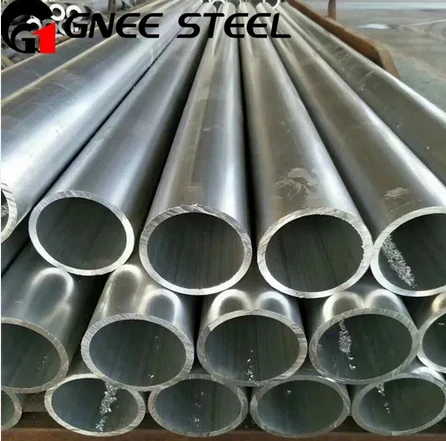

How to Classify Aluminum Alloys?
Aluminum alloys are often broken down into three categories: wrought heat treatable, wrought non-heat treatable, and casting alloys.
Wrought Non-Heat Treatable Aluminum Alloys
This group includes high purity aluminum and the wrought alloys in the 1xxx, 3xxx, and 5xxx series. Wrought non-heat treatable aluminum alloys are hardened primarily by cold working.
Wrought Heat Treatable Aluminum Alloys
Heat treatable alloys have copper, magnesium, or zinc as their primary alloying element. These are the 2xxx, 6xxx and 7xxx series alloys. Wrought heat treatable aluminum alloys can be precipitation hardened. This process develops high strength levels.
Aluminum Alloys for Casting
This group includes both non-heat-treatable and heat treatable alloys. The most common aluminum alloys for casting are the 2xxx, 3xxx, 4xxx, 7xxx, and 8xxx. Strength properties obtained through casting are not as high for wrought heat treatable alloys.



