


Nickel 200 Bars: Fabrication Techniques Revealed
Nickel 200 rods are widely used in the chemical and petrochemical industries for their excellent corrosion resistance. But have you ever wondered how they are made? In this blog post, we will take you through the fascinating manufacturing technology behind nickel 200 rods. We will look at the different processes for nickel rod production, the properties of nickel 200, and why it is so popular in industrial applications.
First Step in the Nickel 200 Rod Manufacturing Process
The first step in the nickel 200 rod manufacturing process is melting. Manufacturers typically use an electric arc furnace to melt the raw materials. The raw materials are usually scrap and must be carefully screened to ensure that they have the correct chemical composition. Manufacturers set the furnace to melt the scrap at a specific temperature and time to obtain the correct chemical composition. After the melting process is complete, the liquid metal is allowed to cool and solidify.
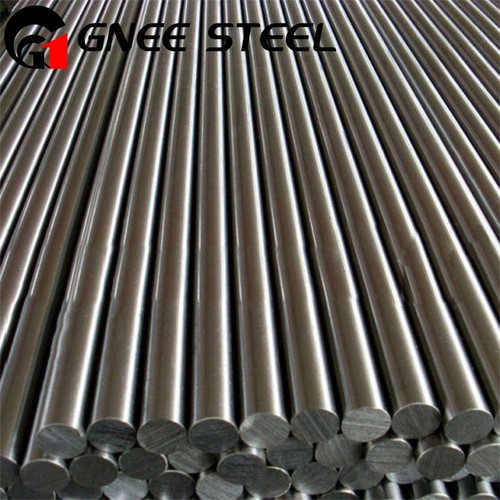

Second Step
After melting is complete, the next step is to form the metal into rods. The most common technique for converting liquid metal into rods is the continuous casting process. In this process, the molten nickel 200 alloy is continuously cast into a mold, which forms it into rods. The molten nickel is poured into a tundish, which feeds the liquid metal into the mold. The walls of the die are made of copper to enhance the cooling process, resulting in a uniform solid structure.
Step 3
After solidification, the rolling mill forms the Nickel 200 alloy into the desired bar shape. The rolling process compresses the Nickel 200 alloy under high pressure, thereby reducing its thickness and improving its mechanical properties. The rollers used in the process apply pressure in a horizontal position to flatten the Nickel 200 alloy into thin sheets. The bar then undergoes a final finishing operation to ensure that it has a smooth surface.
Final Step in the Nickel 200 Alloy Bar Manufacturing Process
Now we come to the final stage of manufacturing: annealing. Annealing is the process of subjecting the Nickel 200 alloy bar to high temperatures to eliminate stresses created during the metal manufacturing process. The material is heated to a specific temperature and held for a period of time to improve its crystal structure. Annealing also increases the ductility of the bar, making it easier to weld, form, and machine into a variety of shapes for specific applications.



