


1.What Is Duplex Stainless Steel?
Duplex stainless steel is a woven wire mesh alloy classified by its two-phase construction. Each wire consists of an even ratio of austenite and ferrite.
In addition to the two phases, duplex also consists of chromium, nickel, nitrogen, and molybdenum. The amount of each element present will determine what duplex category the alloy falls under.
That said, there are four categories of Duplex stainless steel:
Lean Duplex
Standard Duplex
Super Duplex
Hyper Duplex
2.What Are the Benefits of Duplex Woven Wire Mesh?
Duplex stainless steel is known for having a heightened resistance to corrosion, specifically pitting corrosion. It also features a tensile strength that is superior to austenitic alloys.
Additionally, duplex stainless has superior welding capabilities. This is all while the alloy remains pliable, more so than most alloys containing ferrite.
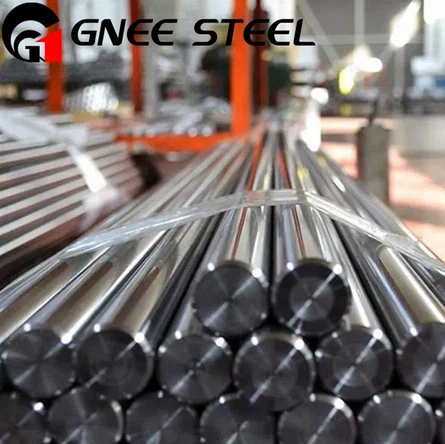

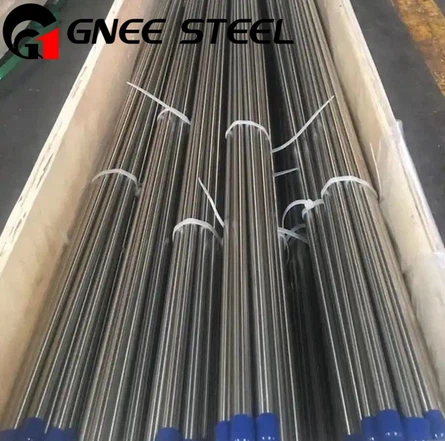
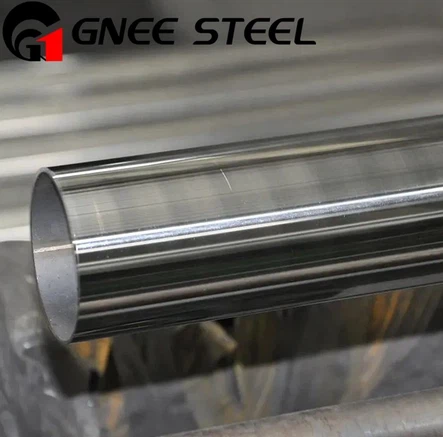
3.What Is 316 Stainless Steel?
316 stainless steel is the most widely used 300 series stainless steel when weaving woven wire mesh. Its chemical makeup consists of 16% chromium, 8% nickel, 2% molybdenum, and less than 1% carbon.
The minimal amount of carbon classifies 316 stainless steel as a low-carbon alloy. This means there is a minimal amount of carbide precipitation.
4.What Are the Benefits of Using 316 Stainless Steel?
When in the molten stage, the molybdenum is added to 316 stainless steel at the molecular level. This helps stabilize the alloy and increases its resistance to corrosion.
The lack of carbon also helps build 316 stainless steel's resistance to corrosion. This is particularly true when the mesh is exposed to moisture, as the more carbon present, the more likely the alloy will rust.
5.How Do Duplex and 316 Stainless Steel Compare?
A significant difference between duplex and 316 stainless steel is how resistant each alloy is to corrosion. While 316 has one of the best resistance to corrosive environments within the 300 family, duplex is far more resistant to corrosive pitting when chloride is present.
There are differences noteworthy differences in the chemical makeup of both alloys. Duplex contains 18 to 28% chromium and 4 to 8% nickel, while 316 stainless steel 16% chromium and 8% nickel.
To that end, the lower amounts of nickel contribute to duplex being the most cost-effective of the two.



