Alloy: A general term for a metallic material made by mixing one base metal (e.g., iron, aluminum, copper, titanium) with other elements (metallic or non-metallic, such as carbon, nickel, zinc). Its core purpose is to improve specific properties of the base metal (e.g., strength, corrosion resistance, ductility) while balancing cost and processability for common industrial needs. For example, adding carbon to iron creates steel (enhancing hardness), and mixing aluminum with copper/magnesium forms aluminum alloys (boosting strength without excessive weight gain).
Superalloy: A specialized, high-performance subset of alloys, also known as "high-temperature alloys." Its design is focused on maintaining exceptional mechanical properties (strength, creep resistance, fatigue resistance) under extreme conditions-especially high temperatures (often 600–1,200°C), corrosive environments, or high mechanical stress. Unlike general alloys, superalloys prioritize "extreme performance" over cost or ease of processing.
Alloy: Performance is "targeted but moderate." It improves 1–2 key properties of the base metal but struggles under extreme conditions. For example:
Stainless steel (an iron alloy) resists corrosion but loses strength above 600°C.
Aluminum alloys are lightweight and strong at room temperature but soften rapidly at high temperatures.
Superalloy: Performance is "extreme and comprehensive," with three critical advantages:
High-temperature strength: Maintains structural integrity even at 70–80% of its melting point (e.g., Ni-based superalloys retain strength above 1,000°C).
Creep resistance: Resists gradual deformation ("creep") under long-term high temperature and stress (critical for components like turbine blades).
Environmental stability: Resists oxidation, corrosion, and erosion in harsh environments (e.g., jet engine exhaust, chemical reactors).
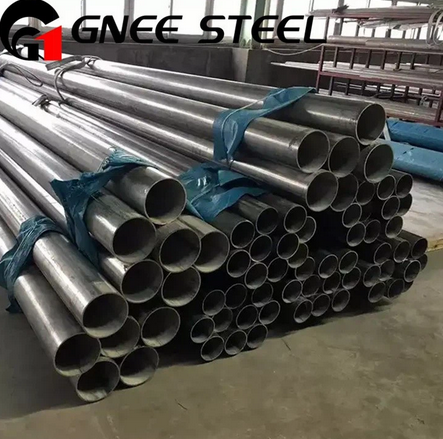


Alloy: Ubiquitous in daily life and general industry, such as:
Construction (steel beams, aluminum windows).
Transportation (aluminum alloy car bodies, brass plumbing parts).
Consumer goods (copper-nickel alloy coins, stainless steel cookware).
Superalloy: Restricted to high-tech, high-demand fields where extreme performance is non-negotiable, such as:
Aerospace (jet engine turbine blades, rocket engine nozzles).
Energy (gas turbine components for power plants, nuclear reactor core parts).
Advanced manufacturing (heat-resistant molds for precision casting, high-performance bearings).
Alloy: Simple manufacturing processes (e.g., casting, rolling, forging) with low raw material costs. Most alloys are mass-produced and affordable.
Superalloy: Extremely complex manufacturing, often requiring:
Advanced melting techniques (e.g., vacuum induction melting, electron beam melting) to ensure purity.
Precision processing (e.g., single-crystal casting for turbine blades, hot isostatic pressing) to optimize microstructure.
High-cost raw materials (e.g., rhenium, a key additive, costs thousands of dollars per kilogram).
These factors make superalloys far more expensive than general alloys-some high-grade superalloys cost hundreds of dollars per kilogram.
In short, an alloy is a "general-purpose upgraded metal" for broad, low-to-moderate performance needs, while a superalloy is a "specialized high-performance material" engineered for extreme conditions. Superalloys can be seen as a "high-end subset" of alloys, but their composition, performance, and applications are fundamentally distinct from ordinary alloys.






