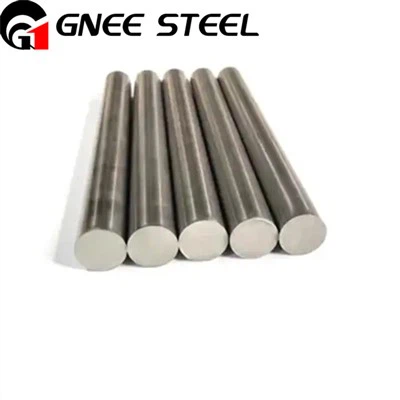
As a supplier of Aluminum Alloy 7075, I understand the critical importance of proper transportation for this high - performance material. Aluminum Alloy 7075 is renowned for its exceptional strength - to - weight ratio, high corrosion resistance, and excellent fatigue resistance, making it a top choice in industries such as aerospace, automotive, and marine. However, due to its unique properties and the potential risks associated with its transportation, specific requirements must be met to ensure its quality and safety during transit.
Packaging Requirements
The first step in the transportation process is proper packaging. Aluminum Alloy 7075 products, whether they are sheets, bars, or extrusions, should be carefully wrapped to prevent physical damage. For smaller items, individual plastic or paper wraps can be used to protect the surface from scratches and abrasions. Larger pieces may require more robust packaging solutions, such as wooden crates or metal containers.
These containers not only provide physical protection but also help to secure the material during transit. Inside the containers, cushioning materials like foam or rubber pads should be used to absorb any shocks or vibrations that may occur during transportation. This is crucial because even minor surface damage to Aluminum Alloy 7075 can compromise its structural integrity and performance.
In addition to physical protection, the packaging should also be designed to prevent corrosion. Aluminum Alloy 7075 is susceptible to corrosion in certain environments, especially when exposed to moisture and chemicals. Therefore, moisture - resistant packaging materials, such as plastic bags with desiccants, should be used to keep the material dry. If the transportation is over a long - distance or in a humid climate, additional anti - corrosion treatments, like applying a thin layer of anti - rust oil, may be necessary.


Handling Requirements
Proper handling of Aluminum Alloy 7075 during transportation is equally important. Trained personnel should be responsible for loading and unloading the material. They should use appropriate lifting equipment, such as cranes or forklifts, to ensure that the material is lifted and moved safely. Sharp or rough handling tools should be avoided as they can cause scratches or dents on the surface of the alloy.
When loading the material onto a vehicle, it should be arranged in a stable and balanced manner. Heavy pieces should be placed at the bottom to provide a stable base, and lighter items should be stacked on top. This helps to prevent the material from shifting during transit, which could lead to damage. Additionally, the material should be secured using straps or ropes to keep it in place.
During unloading, the same care should be taken. The material should be unloaded slowly and carefully to avoid any sudden impacts. If the material is being transferred from one vehicle to another, proper transfer procedures should be followed to ensure a smooth and safe transition.
Environmental Requirements
The environmental conditions during transportation can have a significant impact on the quality of Aluminum Alloy 7075. Temperature and humidity are two key factors that need to be controlled. Extreme temperatures can cause the alloy to expand or contract, which may lead to internal stresses and potential cracking. High humidity can accelerate the corrosion process, especially if the material is not properly protected.
For long - distance transportation, especially in regions with extreme climates, climate - controlled vehicles or containers may be required. These vehicles or containers can maintain a stable temperature and humidity level, ensuring that the material remains in optimal condition throughout the journey. If climate - controlled options are not available, the transportation route should be carefully planned to avoid areas with extreme weather conditions.
In addition to temperature and humidity, the transportation environment should also be free from contaminants. Chemical fumes, dust, and other pollutants can react with Aluminum Alloy 7075 and cause surface damage or corrosion. Therefore, the vehicles and containers used for transportation should be clean and well - ventilated.
Regulatory Requirements
Transporting Aluminum Alloy 7075 also involves complying with various regulatory requirements. Different countries and regions have their own regulations regarding the transportation of metals, including safety standards, documentation requirements, and customs procedures.
Safety standards typically cover aspects such as packaging, handling, and labeling. The packaging must meet certain strength and durability requirements to ensure that the material is safe during transit. Handling procedures should follow strict safety guidelines to prevent accidents. Labels on the packaging should clearly indicate the type of material, its weight, and any special handling instructions.
Documentation is another important aspect. Bills of lading, certificates of origin, and material test reports are some of the common documents required for transportation. These documents provide information about the material, its origin, and its quality, which are necessary for customs clearance and regulatory compliance.
Customs procedures can vary significantly from one country to another. Importers and exporters need to be aware of the specific requirements of the destination country, including import duties, taxes, and any restrictions on the import of Aluminum Alloy 7075. Failure to comply with these regulations can result in delays, fines, or even the confiscation of the material.
Comparison with Other Aluminum Alloys
When considering the transportation requirements of Aluminum Alloy 7075, it is interesting to compare them with other popular aluminum alloys such as Aluminum Alloy 6063, Aluminum Alloy 2024, and 6061 Aluminium Alloy.
Aluminum Alloy 6063 is known for its good formability and is commonly used in architectural applications. It has relatively lower strength compared to Aluminum Alloy 7075. In terms of transportation, the packaging and handling requirements for Aluminum Alloy 6063 may be less stringent because it is less likely to be damaged due to its lower strength requirements in most applications. However, it still requires protection from corrosion and physical damage.
Aluminum Alloy 2024 is a high - strength alloy often used in aerospace applications. Similar to Aluminum Alloy 7075, it requires careful packaging and handling to prevent damage. However, its corrosion resistance is different from Aluminum Alloy 7075, which may affect the anti - corrosion measures during transportation.
6061 Aluminium Alloy is a versatile alloy with good strength and corrosion resistance. It is used in a wide range of applications, from automotive parts to consumer products. The transportation requirements for 6061 Aluminium Alloy are also important, but they may be more flexible compared to Aluminum Alloy 7075, especially in terms of environmental control, due to its relatively lower performance requirements in some applications.
Conclusion
In conclusion, transporting Aluminum Alloy 7075 requires careful attention to packaging, handling, environmental conditions, and regulatory requirements. As a supplier, I am committed to ensuring that our customers receive high - quality Aluminum Alloy 7075 products. By following these transportation requirements, we can minimize the risk of damage and ensure that the material arrives at its destination in optimal condition.
If you are interested in purchasing Aluminum Alloy 7075 for your project, please feel free to contact us for more information and to start a procurement discussion. We are here to provide you with the best products and services to meet your needs.
References
- "Aluminum Alloys: Structure and Properties" by John E. Hatch
- "Transportation Regulations for Metals" by International Maritime Organization
- Industry reports on aluminum alloy transportation safety standards.