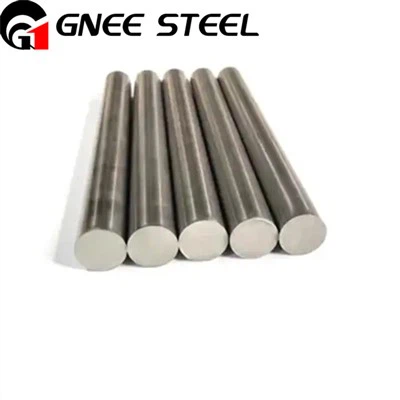
Zircaloy 4 is a zirconium-based alloy widely used in the nuclear industry due to its excellent corrosion resistance, low neutron absorption cross - section, and good mechanical properties at high temperatures. As a Zircaloy 4 supplier, understanding the storage requirements for this alloy is crucial to maintain its quality and performance. In this blog, we will delve into the key aspects of storing Zircaloy 4.
1. Environmental Conditions
Temperature
Zircaloy 4 should be stored in an environment with a relatively stable temperature. Extreme temperature fluctuations can cause thermal stress within the alloy, which may lead to micro - cracks or changes in its mechanical properties over time. A recommended temperature range for storage is between 10°C and 30°C. Temperatures below this range can make the alloy more brittle, while higher temperatures may accelerate oxidation processes, especially in the presence of oxygen and moisture.


Humidity
Humidity control is of utmost importance. High humidity levels can promote the formation of surface oxides and corrosion on Zircaloy 4. The relative humidity in the storage area should be maintained below 60%. To achieve this, dehumidifiers can be installed in the storage facility. Additionally, proper ventilation is necessary to prevent the accumulation of moisture. If the alloy is stored in a sealed container, desiccants can be placed inside to absorb any moisture that might enter.
Air Quality
The storage area should have clean air. Pollutants such as sulfur dioxide, chlorine, and other corrosive gases can react with Zircaloy 4 and cause surface degradation. It is advisable to locate the storage facility away from industrial areas where such pollutants are likely to be present. Air filtration systems can also be installed to remove any harmful particles and gases from the air.
2. Storage Containers
Type of Containers
Zircaloy 4 should be stored in containers that provide a protective barrier against the external environment. Non - reactive materials such as stainless steel or high - density polyethylene are suitable choices. Stainless steel containers offer good mechanical protection and resistance to corrosion. High - density polyethylene containers are lightweight, non - conductive, and can effectively prevent moisture and air from reaching the alloy.
Sealing
Containers should be well - sealed to prevent the ingress of air, moisture, and contaminants. Gaskets or seals can be used to ensure a tight fit. If the alloy is stored in a large storage tank or warehouse, the area should be properly sealed and monitored for any signs of leakage.
Labeling
Each container should be clearly labeled with information about the Zircaloy 4, including its grade, batch number, manufacturing date, and quantity. This information is essential for inventory management and traceability.
3. Handling During Storage
Stacking
When stacking Zircaloy 4 products, care must be taken to avoid excessive pressure on the lower layers. The weight distribution should be uniform to prevent deformation. If the alloy is in the form of tubes or pipes, they should be stacked in a way that prevents them from rolling or colliding with each other. Soft padding materials can be used between the layers to provide additional protection.
Avoiding Physical Damage
During storage, Zircaloy 4 should be protected from physical damage such as scratches, dents, and impacts. Special racks or holders can be used to store the alloy, especially for thin - walled tubes or sheets. Any damaged products should be inspected immediately to determine if they are still suitable for use.
4. Compatibility with Other Materials
Separation from Other Metals
Zircaloy 4 should be stored separately from other metals, especially those that can cause galvanic corrosion. Galvanic corrosion occurs when two different metals are in contact in the presence of an electrolyte (such as moisture). For example, storing Zircaloy 4 in contact with copper or aluminum can lead to corrosion of the Zircaloy 4. Therefore, separate storage areas or partitions should be used to keep Zircaloy 4 away from other metals.
Compatibility with Chemicals
It is important to ensure that Zircaloy 4 is not stored near chemicals that can react with it. Strong acids, alkalis, and oxidizing agents can cause severe corrosion of the alloy. The storage area should be free from any spills or leaks of such chemicals.
5. Monitoring and Inspection
Regular Checks
Regular monitoring and inspection of the stored Zircaloy 4 are necessary to detect any signs of deterioration. Visual inspections should be carried out at least once a month to check for surface corrosion, discoloration, or physical damage. Temperature and humidity sensors can be installed in the storage area to continuously monitor the environmental conditions.
Testing
Periodic testing of the stored Zircaloy 4 can also be conducted to ensure its quality. Non - destructive testing methods such as ultrasonic testing and eddy - current testing can be used to detect any internal defects or changes in the alloy's structure. Chemical analysis can be performed to check for any changes in the alloy's composition.
6. Long - Term Storage Considerations
Preservation Treatments
For long - term storage, additional preservation treatments may be required. One common method is to apply a protective coating to the surface of the Zircaloy 4. A thin layer of oil or a corrosion - resistant paint can be used to provide a barrier against oxygen and moisture. However, it is important to ensure that the coating does not interfere with the subsequent use of the alloy.
Documentation
Proper documentation of the storage conditions and history of the Zircaloy 4 is essential for long - term storage. Records should include details such as the date of storage, environmental conditions, any maintenance or inspection activities, and the results of any tests. This documentation can help in determining the suitability of the alloy for use after long - term storage.
As a Zircaloy 4 supplier, we are committed to providing high - quality products and ensuring that they are stored under the best possible conditions. We offer a wide range of Zircaloy 4 products, including Customized Zirconium Alloy Tubes, ASTM B352 Zirconium Alloy, and ASTM B658 Zirconium Pipe. If you are interested in purchasing Zircaloy 4 or have any questions about its storage or application, please feel free to contact us for a detailed discussion. We look forward to collaborating with you on your projects.
References
- ASM Handbook Committee. ASM Handbook, Volume 2: Properties and Selection: Nonferrous Alloys and Special - Purpose Materials. ASM International, 2001.
- Nuclear Energy Agency. Zirconium Alloys for Nuclear Applications. OECD Publishing, 2009.
- ASTM International. ASTM B352 Standard Specification for Wrought Zirconium and Zirconium Alloy Seamless Tubes and Pipes. ASTM International, 2020.
- ASTM International. ASTM B658 Standard Specification for Welded Zirconium and Zirconium Alloy Pipe. ASTM International, 2020.