Hey there! As a supplier of zirconium alloys, I've seen firsthand how important it is to follow safety regulations when handling these materials. Zirconium alloys are widely used in various industries, including aerospace, nuclear, and chemical processing, thanks to their excellent corrosion resistance, high strength, and low neutron absorption. But they also come with some unique safety challenges that we need to be aware of. In this blog, I'll share some of the key safety regulations for handling zirconium alloys.
General Handling Precautions
First off, when you're dealing with zirconium alloys, it's crucial to keep them away from sources of ignition. Zirconium is a highly reactive metal, and in its finely divided form, it can be pyrophoric, meaning it can spontaneously ignite in air. So, no smoking, open flames, or hot surfaces around the zirconium alloy materials.
Make sure to store zirconium alloys in a dry, well - ventilated area. Moisture can cause corrosion, which not only affects the quality of the alloy but can also create additional safety risks. And keep the storage area clean and free from any contaminants that could react with the zirconium.
When transporting zirconium alloys, use proper packaging to prevent damage. Avoid rough handling that could cause the material to break into smaller pieces, increasing the risk of ignition.
Personal Protective Equipment (PPE)
Wearing the right PPE is non - negotiable when handling zirconium alloys. Safety glasses are a must to protect your eyes from any flying particles during cutting, grinding, or machining operations. A face shield can provide extra protection in high - risk situations.
Gloves are essential. Choose gloves made from materials that are resistant to the chemicals and processes involved. For example, if you're working with zirconium alloys in a chemical environment, you'll need chemical - resistant gloves.
Respiratory protection is also important, especially when working with zirconium dust. Dust masks or respirators should be worn to prevent inhalation of fine particles, which can be harmful to your lungs.
Machining and Fabrication
Machining zirconium alloys requires special attention. Use sharp tools to ensure clean cuts. Dull tools can generate excessive heat, which increases the risk of ignition. Coolants are often used during machining to keep the temperature down. Make sure the coolant is compatible with the zirconium alloy to avoid any chemical reactions.
When grinding zirconium alloys, use a dedicated grinding wheel. Cross - contamination from other metals on the grinding wheel can lead to unexpected reactions. And always follow the manufacturer's recommendations for the grinding process.
During welding and brazing, use appropriate shielding gases. Argon is commonly used to prevent oxidation of the zirconium alloy during the welding process. Welders should be trained specifically in welding zirconium alloys, as the welding techniques are different from those used for other metals.
Fire Safety
As I mentioned earlier, zirconium alloys can be a fire hazard. Have appropriate fire - fighting equipment on hand, such as dry powder extinguishers. Water should not be used to extinguish zirconium fires because it can react with the hot zirconium and produce hydrogen gas, which can cause an explosion.
In case of a fire, evacuate the area immediately and follow the established fire - safety procedures. Regular fire drills should be conducted to ensure that all employees know what to do in an emergency.


Chemical Compatibility
Be aware of the chemical compatibility of zirconium alloys. They are generally resistant to many chemicals, but there are some exceptions. For example, strong acids and alkalis can react with zirconium alloys under certain conditions. Before using zirconium alloys in a chemical process, test the compatibility to avoid any unexpected reactions.
Regulatory Compliance
Make sure your operations comply with all relevant local, national, and international regulations. For example, in the United States, the Occupational Safety and Health Administration (OSHA) has regulations regarding workplace safety, including handling of hazardous materials like zirconium alloys.
Also, international standards such as ISO standards can provide guidelines for the safe handling and processing of zirconium alloys.
Specific Products and Their Regulations
If you're interested in specific zirconium alloy products, here are some details. The ASTM B658 Zirconium Pipe is widely used in various piping systems. When handling this pipe, in addition to the general safety regulations, pay special attention to the integrity of the pipe during installation. Avoid any damage that could lead to leaks, especially in applications where the pipe is carrying hazardous substances.
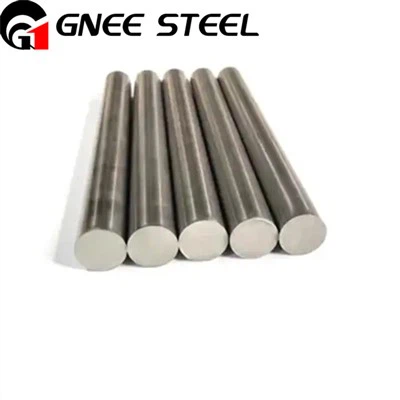
The R60702 Zirconium Alloy Bar is known for its high strength and corrosion resistance. When machining or using this bar, follow the same safety rules as for other zirconium alloys. Ensure that the bar is properly secured during processing to prevent it from moving and causing accidents.
The ASTM B551 Zirconium Alloy is used in many critical applications. Strict quality control and safety regulations must be followed during its production, handling, and use. Any deviation from the safety standards can have serious consequences, especially in industries like nuclear power where zirconium alloys play a vital role.
Training and Education
All employees involved in handling zirconium alloys should receive proper training. This training should cover the properties of zirconium alloys, the safety regulations, and the correct use of PPE and equipment. Regular refresher courses should be provided to keep everyone up - to - date with the latest safety information.
Conclusion
In conclusion, handling zirconium alloys safely is a multi - faceted task that requires attention to detail, proper training, and strict adherence to safety regulations. Whether you're a small - scale fabricator or a large - scale industrial user, following these safety guidelines will help prevent accidents and ensure the well - being of your employees.
If you're in the market for high - quality zirconium alloys and want to learn more about our products or discuss your specific needs, feel free to reach out. We're here to help you make the best choices for your projects while keeping safety at the forefront.
References
- Occupational Safety and Health Administration (OSHA) guidelines on hazardous materials handling.
- ASTM International standards related to zirconium alloys.
- ISO standards for industrial safety and material handling.