


In high-temperature engineering, selecting the right nickel alloy requires a balance between thermal stability and machinability. For purchasing managers and engineers, a major challenge lies in choosing between high-performance but difficult-to-machine cast alloys and versatile, high-strength forged alloys.
The Challenge of Inconel 713C: As a γ′-strengthened alloy, 713C is the industry standard for turbine blades operating at 980°C (1800°F). However, it is a precision-cast material and cannot be forged or machined.
The Advantages of Inconel 625: In contrast, Inconel 625 is a solution-strengthened forged alloy with superior corrosion resistance and excellent weldability, usable at temperatures up to 800°C.
At Gnee Alloy, we eliminate the uncertainty of your selection. As a Tier 1 supplier, we offer vacuum-melted master alloys and aerospace-grade forged bars to ensure the structural integrity of your projects.
Click to apply for Inconel 713C material selection and instant quote
Inconel 713C Vs Inconel 625 Nickel Alloy Bars
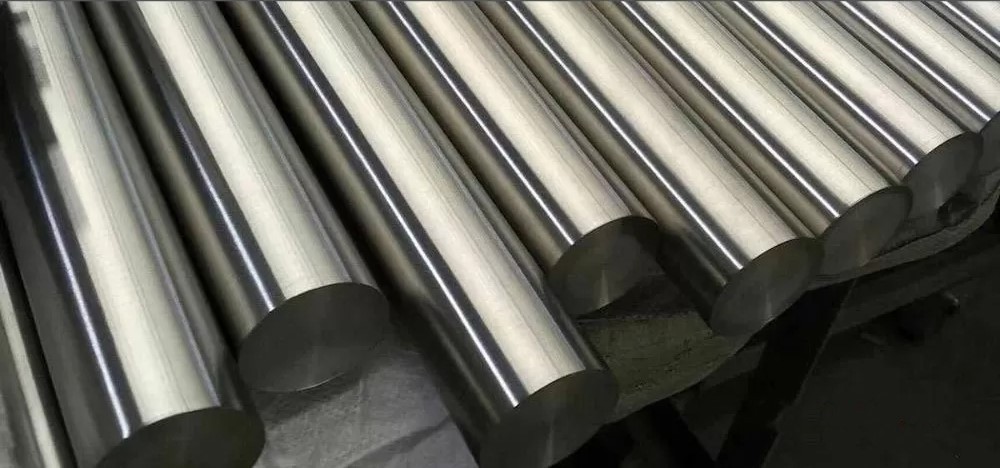
Inconel 713C Vs Inconel 625 Nickel Alloy Bars
Both Inconel 713C and Inconel 625 are nickel-based superalloys, but they meet different engineering requirements: Inconel 713C is a cast alloy optimized for the extreme high-temperature strength (up to 980°C/1800°F) of turbine components. Inconel 625 is a versatile forged alloy (bar stock) best suited for applications requiring excellent corrosion resistance, machinability, and toughness in the 650°C–700°C range.
What is Inconel 713C?
Inconel 713C is a nickel-chromium casting alloy that exhibits excellent fracture strength at 1700°F (927°C), while also possessing superior resistance to thermal fatigue and good casting properties. This datasheet provides information on its composition, physical properties, hardness, tensile properties, and creep and fatigue properties.
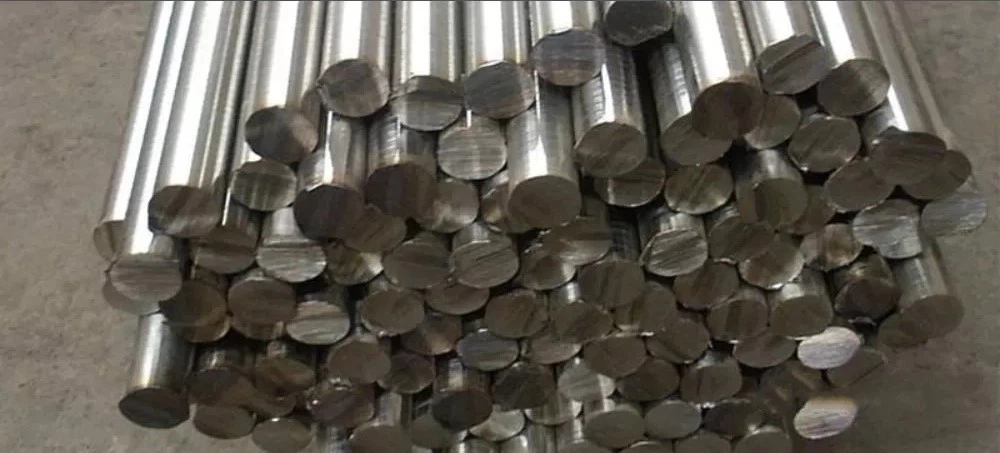
1. Overview of Inconel 713C and Inconel 625 Bar Materials
| Parameter | Inconel 713C | Inconel 625 |
|---|---|---|
| Material Type | Cast Nickel-based Superalloy | Wrought Nickel-based Superalloy |
| UNS Number | UNS N07713 | UNS N06625 |
| Primary Application | Cast turbine blades, vanes, investment castings | Wrought bars, fasteners, shafts, chemical processing |
| Strengthening Mechanism | Precipitation-hardened (γ′ – Ni₃(Al,Ti)) | Solid-solution strengthened (Mo + Nb) |
| Manufacturing Form | Investment casting | Wrought (forged / rolled / cold drawn) |
| Maximum Service Temp | ~950°C (1742°F) | ~600°C (1112°F) for load-bearing |
2. Comparison of chemical composition (wt%) of Inconel 713C and Inconel 625 bars
| Element | Inconel 713C (Cast) | Inconel 625 (Wrought) | Key Difference |
|---|---|---|---|
| Nickel (Ni) | Balance (~70-75) | 58.0 min (Balance) | 713C higher Ni |
| Chromium (Cr) | 11.0 – 14.0 | 20.0 – 23.0 | 625 has much higher Cr |
| Molybdenum (Mo) | 3.5 – 5.0 | 8.0 – 10.0 | 625 higher |
| Niobium (Nb) | 1.5 – 2.5 | 3.15 – 4.15 | 625 higher |
| Titanium (Ti) | 0.4 – 1.0 | ≤ 0.40 | 713C higher |
| Aluminum (Al) | 5.5 – 6.5 | ≤ 0.40 | 713C has much higher Al |
| Iron (Fe) | ≤ 2.0 | ≤ 5.0 | Both low |
| Cobalt (Co) | ≤ 1.0 | ≤ 1.0 | Similar |
| Carbon (C) | 0.05 – 0.15 | ≤ 0.10 | Similar |
| Manganese (Mn) | ≤ 0.20 | ≤ 0.50 | – |
| Silicon (Si) | ≤ 0.50 | ≤ 0.50 | – |
| Boron (B) | 0.005 – 0.015 | – | 713C contains B |
| Zirconium (Zr) | 0.05 – 0.15 | – | 713C contains Zr |
| Copper (Cu) | – | ≤ 0.07 | – |
Click to download the inconel 713C alloy PDF file now
3. Physical properties of Inconel 713C and Inconel 625 bars
| Property | Inconel 713C (Cast) | Inconel 625 (Wrought) |
|---|---|---|
| Density | 7.91 g/cm³ | 8.44 g/cm³ |
| Melting Range | 1260 – 1315°C | 1290 – 1350°C |
| Thermal Conductivity (20°C) | 11.2 W/m·K | 9.8 W/m·K |
| Coefficient of Thermal Expansion (20-100°C) | 12.0 × 10⁻⁶/°C | 12.8 × 10⁻⁶/°C |
| Coefficient of Thermal Expansion (20-800°C) | ~14.0 × 10⁻⁶/°C | ~15.0 × 10⁻⁶/°C |
| Specific Heat (20°C) | 450 J/kg·K | 410 J/kg·K |
| Modulus of Elasticity (20°C) | ~205 GPa | ~207 GPa |
| Electrical Resistivity | 1.30 µΩ·m | 1.29 µΩ·m |
| Magnetic Properties | Non-magnetic | Non-magnetic |
4. Inconel 713C Quick Select Table
Use this technical benchmark to identify the most Cost-effective Solution for your specific operating environment.
| Technical Feature | Inconel 713C (Cast) | Inconel 625 (Wrought) | Commercial Impact |
| Strengthening Method | Gamma Prime (
γ′γ′ ) |
Solid Solution (Mo+Nb) | 713C offers higher creep life. |
| Max Service Temp | 980°C (1800°F) | 815°C (1500°F) | Choose 713C for extreme heat. |
| Supply Form | Master Alloy / Cast Bar | Forged Bar / Pipe / Sheet | 625 is easier for fabrication. |
| Machinability | Extremely Difficult | Moderate (Work-hardens) | 625 reduces secondary costs. |
| Purity Process | VIM (Vacuum Melting) | VIM + VAR / ESR | Zero-Defect internal quality. |
| Typical Use | Turbine Wheels, UAV Engines | Manifolds, Heat Exchangers | Match the grade to the stress. |
5. Gnee Alloy Inconel 713C Alloy Bar Quality Assurance
1. Internal Integrity and Defect Control
Cast alloys are prone to micropores. We use vacuum induction melting (VIM) to eliminate dissolved gases and inclusions. Every Inconel 713C casting bar undergoes X-ray/radiographic inspection to ensure 100% internal density, preventing premature failure of rotating components.
2. Compliance and Full Traceability
No need to worry about inferior substitutes. Our Inconel 625 and 713C materials fully comply with AMS, ASTM, and DIN standards. Each shipment comes with a complete Factory Test Certificate (MTC) 3.1, detailing chemical composition analysis and mechanical property verification.
3. Inventory Stability and Delivery Time
Don't let excessively long lead times hinder your production. We maintain a large inventory of standard masterbatch melting sizes and forged bars, providing fast global shipping services for small-batch R&D and large-scale industrial overhauls of drone engines.
6. Inconel 713C and Inconel 625 Applications
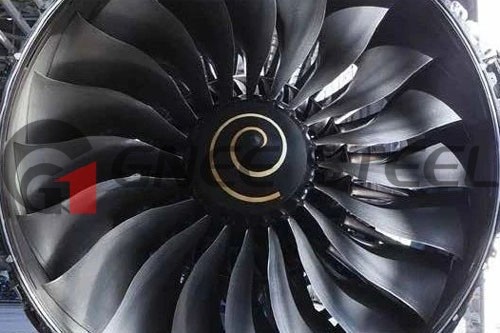
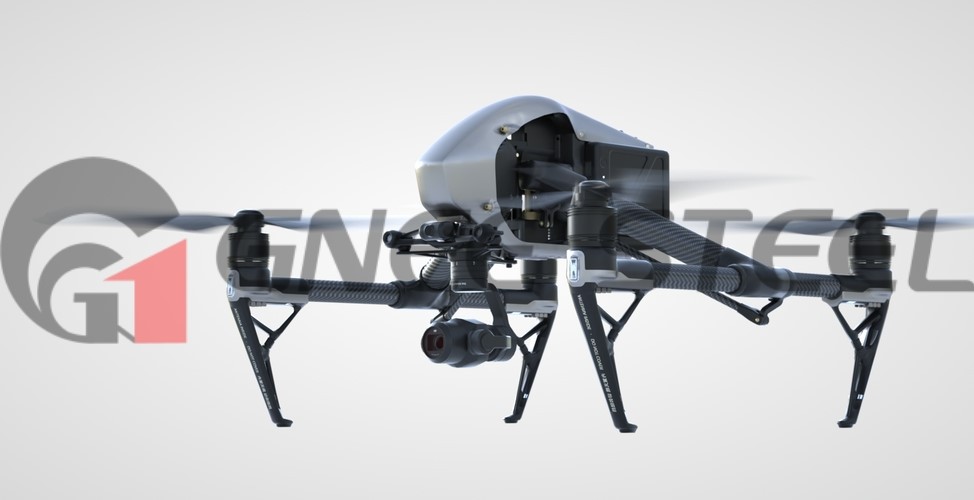
Inconel 713C: Integral cast components for jet engine turbine impellers, turbocharger rotors, nozzle blades, and UAV propulsion systems.


Inconel 625: Marine exhaust systems, chemical treatment reactors, flare towers, and specialized heat exchanger piping.



Why Choose Gnee as Your Nickel-Based Alloy Supplier
✅ Over 18 years of export experience, products sold to more than 80 countries
✅ Certified by ISO, SGS, and BV
✅ Global inventory of Inconel, Hastelloy, Incoloy, and Monel alloy tubing, plates, and bars
✅ Custom processing services available – including cutting, polishing, CNC machining, and packaging
✅ Fast delivery within 7-15 days, supported by global logistics partners

Gnee Steel GH4169 Certificate
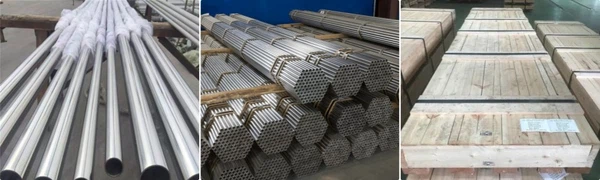
📦 Packaging and Shipping
All Nickel Based Alloy products are packaged using the following methods:
Wooden pallets or crates
Moisture-proof packaging
Labels with furnace number, standard, and size labels
Shipped worldwide by sea, air, or express
Gnee Steel GH4169 Product Packing
Contact us for the latest export price quote for GH4169 Alloy
FAQ
Q1: Can Inconel 713C be welded for repair?
A: Welding 713C is extremely challenging due to its high Al+Ti content, which makes it prone to cracking. We recommend specialized laser cladding or induction brazing. For parts requiring extensive welding, Inconel 625 is the superior Cost-effective Solution.
Q2: Is 713C equivalent to Inconel 718?
A: Not exactly. While both are superalloys, 713C is a casting alloy optimized for higher temperatures (up to 980°C), while 718 is primarily a wrought alloy optimized for high yield strength below 700°C.
Q3: Do you offer "Cut-to-Length" services for Inconel 625 bars?
A: Yes. We offer precision bandsaw cutting and Centerless Grinding (h8-h11 tolerances) for Inconel 625 bright rods to match your CNC automatic feeder requirements.
Q4: Why choose your Inconel 713C master alloy for UAV turbine wheels?
A: Our 713C master alloy is produced via VIM with ultra-tight chemistry control. This ensures consistent fluidity and predictable shrinkage for your investment casting process, resulting in higher yield rates for complex parts.



