


In the core components of aero-engines, there is no room for compromise. For aerospace engineers and purchasing managers, the main pain points when sourcing GH3030 nickel alloy bars include:
Thermal fatigue cracking: Inferior alloys with inconsistent microstructures develop microcracks during rapid thermal cycling in the combustion chamber.
Macroscopic segregation ("freckles"): Materials not vacuum-melted often contain "freckles" and inclusions, which can lead to catastrophic fatigue failure.
Machining difficulty: Low-ductility materials are prone to cracking during the complex forging or deep drawing processes of engine cylinder liners.
At Gnee Alloy, we eliminate these risks. As a dedicated Tier-1 manufacturer, our GH3030 material ensures the structural integrity required for your propulsion systems.
Click to get a GH3030 product quote
GH3030 / Nimonic 75 Alloy Rods for Aerospace Components
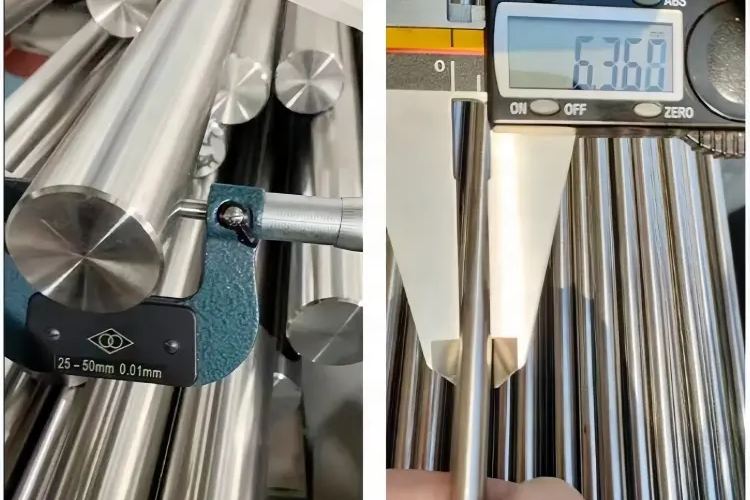
GH3030 / Nimonic 75 Alloy Rods for Aerospace Components
GH3030 (Chinese standard) and Nimonic 75 (international standard, UNS N06075) are both 80/20 nickel-chromium solid solution strengthened alloys. These bars are favored for their excellent high-temperature oxidation resistance and moderate strength, and are widely used in gas turbine combustor components, aerospace rings, and furnace hardware.
What is NIMONIC 75 material?
NIMONIC 75 alloy is an 80/20 nickel-chromium alloy with added titanium and carbon. This alloy was originally introduced in the 1940s for the manufacture of turbine blades. It is easy to machine and weld, and possesses good corrosion resistance, mechanical properties, and heat resistance.
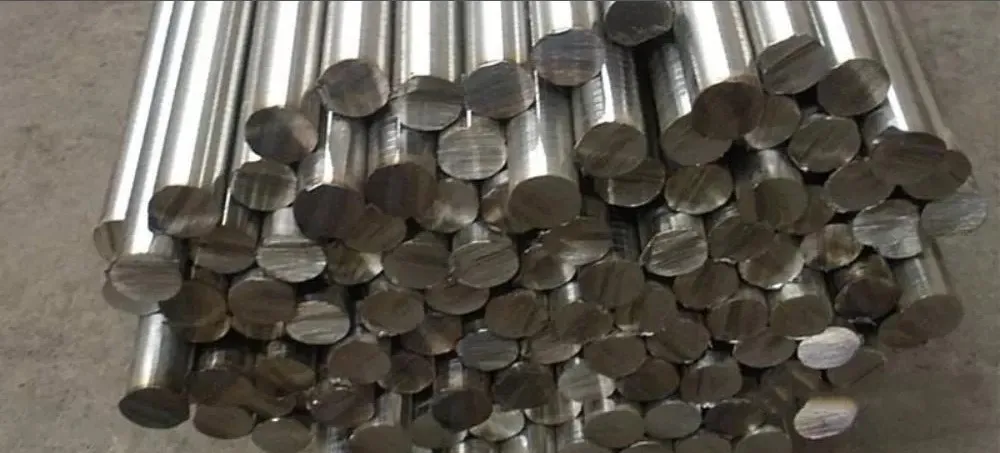
1. GH3030 Aerospace Rod Chemical Composition (wt%)
| Element | Content (%) | Notes |
|---|---|---|
| Nickel (Ni) | Balance (≥ 75.0) | Matrix; high-temperature stability |
| Chromium (Cr) | 19.0 – 22.0 | Oxidation and corrosion resistance |
| Iron (Fe) | ≤ 1.0 | Stricter for aviation grade |
| Titanium (Ti) | 0.15 – 0.35 | Supplementary solid-solution strengthening |
| Aluminum (Al) | ≤ 0.15 | Strictly controlled |
| Carbon (C) | ≤ 0.12 | Low carbon for toughness |
| Manganese (Mn) | ≤ 0.70 | Deoxidizer |
| Silicon (Si) | ≤ 0.80 | Deoxidizer |
| Phosphorus (P) | ≤ 0.015 | Stricter for aviation grade |
| Sulfur (S) | ≤ 0.010 | Stricter for aviation grade |
| Copper (Cu) | ≤ 0.20 | Residual element |
2. Mechanical properties of GH3030 aerospace bars (solution treated state)
| Property | Value (at 20°C / 68°F) | Value (at 800°C / 1472°F) | Why it Matters |
| Tensile Strength (σb) | ≥ 590 MPa | ≥ 140 MPa | Elite high-temp load support. |
| Yield Strength (σp0.2) | ≥ 245 MPa | ≥ 100 MPa | Resists distortion at peak heat. |
| Elongation (δ5) | ≥ 35% (Peak 45%) | ≥ 50% | Zero Cracking during forming. |
| Hardness (HB) | 130 - 180 | - | Optimized for CNC Machining. |
Click to download the GH3030 alloy PDF file now
3. GH3030 aviation rod size specifications
Hot Rolled / Forged Bar (Black)
| Diameter (mm) | Length (mm) | Tolerance | Surface |
|---|---|---|---|
| 8 – 18 | 2000 – 6000 | h9 – h11 | Black |
| 18 – 30 | 2000 – 6000 | h9 – h11 | Black |
| 30 – 50 | 2000 – 6000 | h9 – h11 | Black |
| 50 – 80 | 2000 – 6000 | h9 – h11 | Black |
| 80 – 100 | 2000 – 6000 | h10 – h11 | Black |
| 100 – 150 | 2000 – 4000 | h10 – h11 | Black |
| 150 – 200 | 2000 – 4000 | h10 – h11 | Black |
Bright Bar (Cold Drawn / Ground)
| Diameter (mm) | Tolerance | Ra (µm) | Straightness (mm/m) |
|---|---|---|---|
| 3 – 6 | h6 – h8 | ≤ 0.4 | ≤ 0.3 |
| 6 – 10 | h6 – h8 | ≤ 0.4 | ≤ 0.3 |
| 10 – 18 | h6 – h8 | ≤ 0.8 | ≤ 0.3 |
| 18 – 30 | h6 – h8 | ≤ 0.8 | ≤ 0.3 |
| 30 – 50 | h6 – h8 | ≤ 1.6 | ≤ 0.5 |
| 50 – 80 | h6 – h8 | ≤ 1.6 | ≤ 0.5 |
Contact us to customize GH3030 products to fit your project dimensions
4. GH3030 Aerospace Standard Application
As a reliable supplier, Gnee Alloy offers certified GH3030 solutions suitable for:
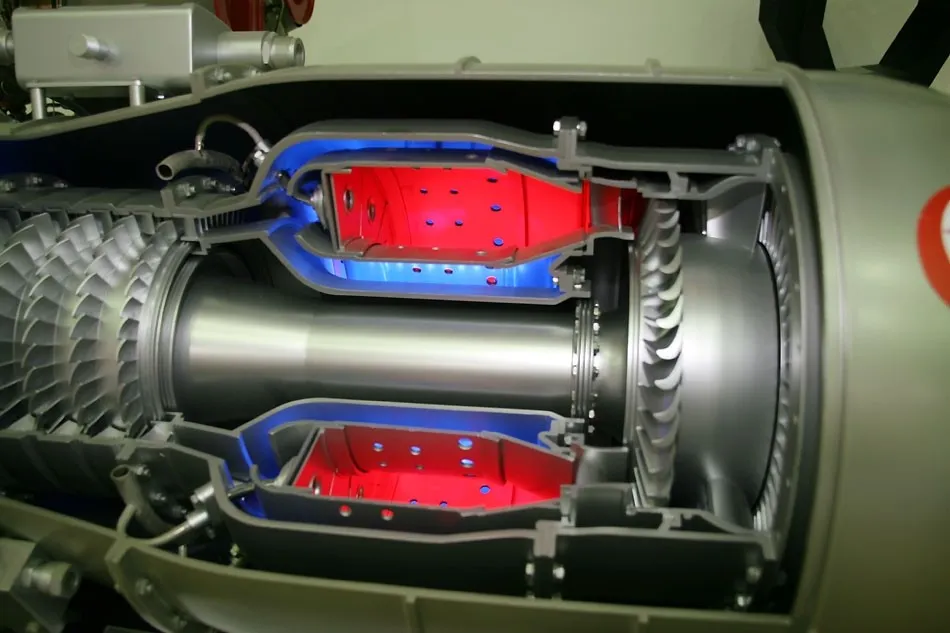
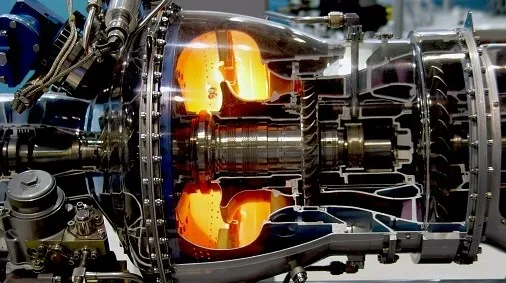
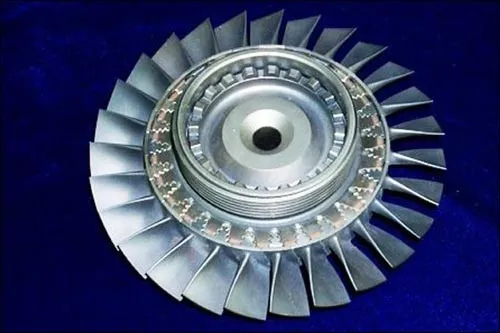
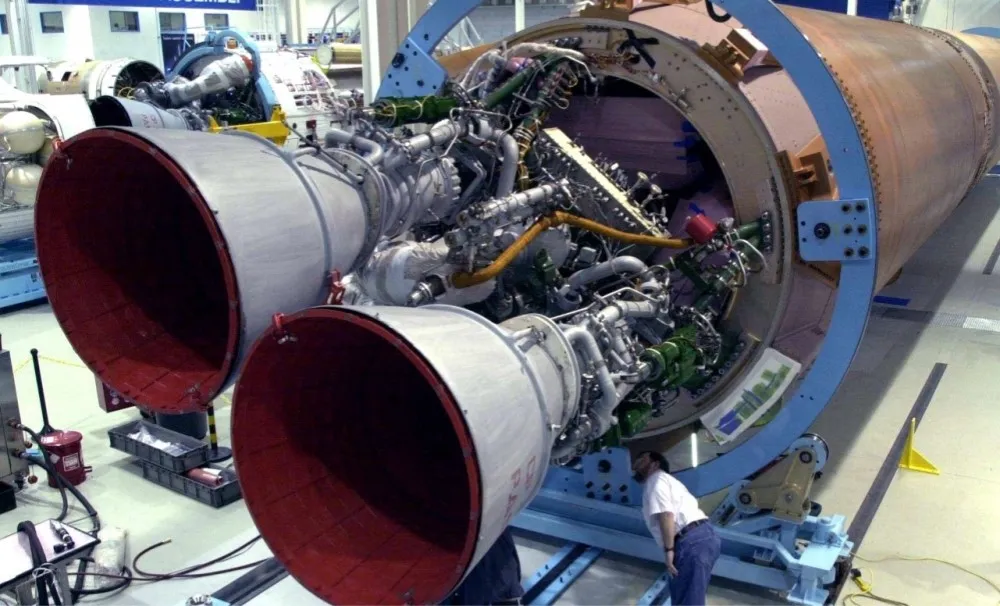
Aero-engine combustor linings: Withstanding high-temperature cycling up to 800°C.
Afterburner structural components: Maintaining shape under localized high-velocity flame conditions.
Turbine casing assemblies: Providing high structural integrity for static components.
Aerospace propulsion systems: Maintaining stable performance under both cryogenic and hyperthermic transition conditions.
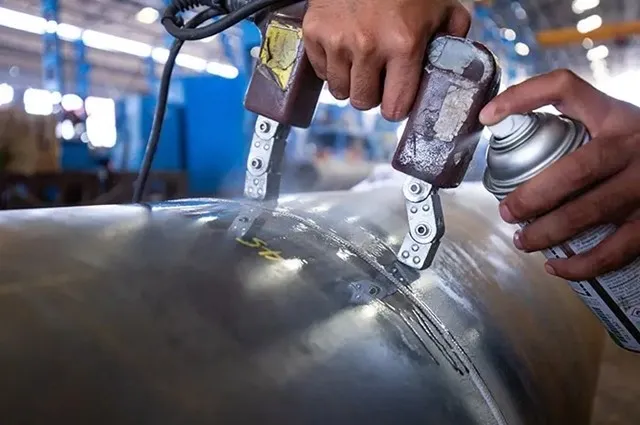
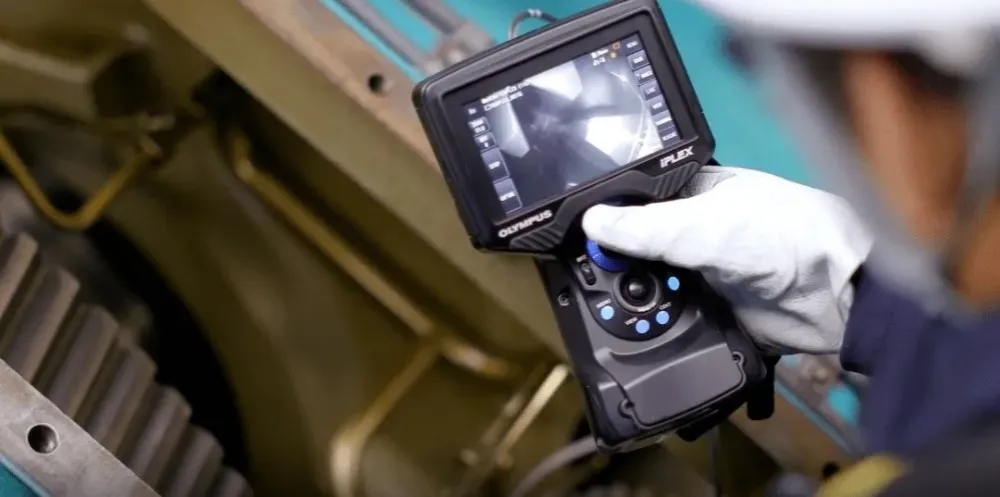
5. GH3030 aerospace-grade non-destructive testing of aerospace-grade rods
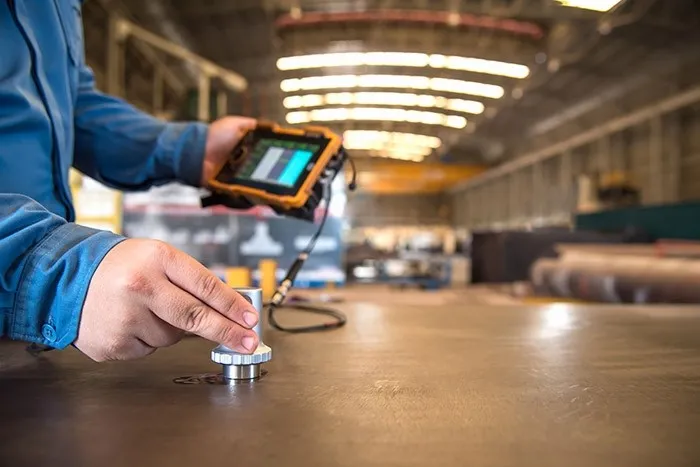
| Test Method | Requirement | Standard | Acceptance |
|---|---|---|---|
| Ultrasonic Testing (UT) | As specified (bars ≥ 12mm) | GB/T 4162 | Grade A/B |
| Eddy Current Testing (ET) | As specified (surface) | - | No indications |
| Liquid Penetrant Inspection (LPI) | As specified | GB/T 18851 | No indications |
| Visual Inspection | 100% | - | No surface defects |
Why Choose Gnee as Your Nickel-Based Alloy Supplier
✅️Direct Factory Price: Eliminate middleman markups and secure the best rates for bulk aviation projects.
✅️MTC 3.1 Traceability: Every bar is delivered with an EN 10204 3.1 Certificate documenting the exact heat analysis.
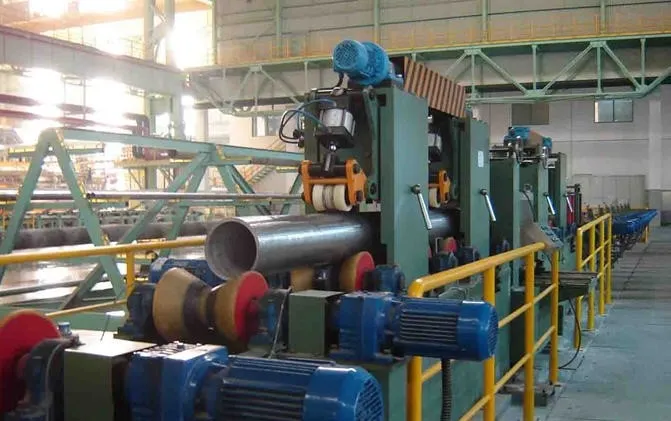
✅️Wholesale Inventory: Massive stock of forged round bars (10mm to 300mm) ready for Fast Global Shipping.
✅️Custom Fabrication: We offer precision Cut-to-Length and centerless grinding services.
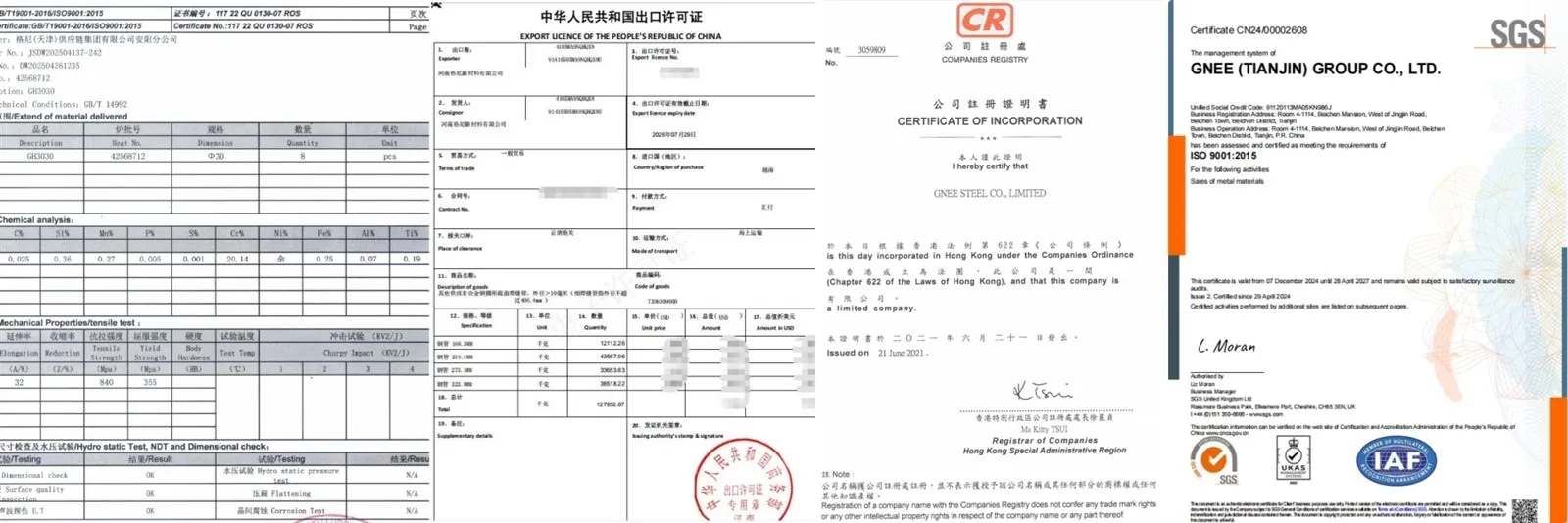
Gnee Alloy GH3030 Certificate
📦 Packaging and Shipping
All Nickel Based Alloy products are packaged using the following methods:
Wooden pallets or crates
Moisture-proof packaging
Labels with furnace number, standard, and size labels
Shipped worldwide by sea, air, or express
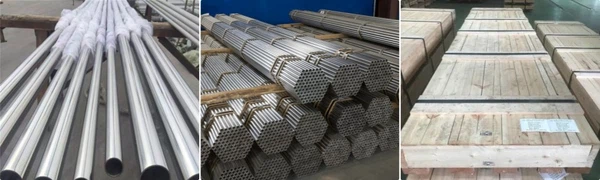
Gnee Alloy GH3030 Product Packing
FAQ
Q1: Is GH3030 technically identical to Nimonic 75?
A: Yes. GH3030 is the equivalent name used in the Chinese aerospace system to refer to the globally applicable Nimonic 75 metallurgical system. It uses the same 80/20 nickel-chromium alloy matrix as Nimonic 75 and is interchangeable globally.
Q2: How do you guarantee the fatigue life of your bars?
A: Fatigue life is a result of grain size. Our ESR remelting ensures a uniform, fine grain structure that prevents localized stress concentrations, ensuring your part achieves its maximum Material Life Cycle.
Q3: Can GH3030 be used for high-load turbine blades?
A: Generally, no. GH3030 is a solid-solution strengthened alloy best for static parts like liners. For rotating blades, we recommend upgrading to precipitation-hardened alloys like GH4169 (718) or GH4141 (Rene 41).
Q4: Do you offer trial orders for prototype aircraft parts?
A: Absolutely. We support aerospace innovation with Flexible MOQs on our standard stock to help your R&D phase reach certification faster.



