


1. Core Factor: Zinc Content (Primary Driver of Color)
Mechanism:
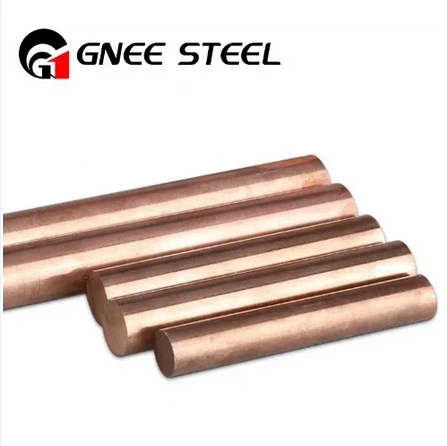
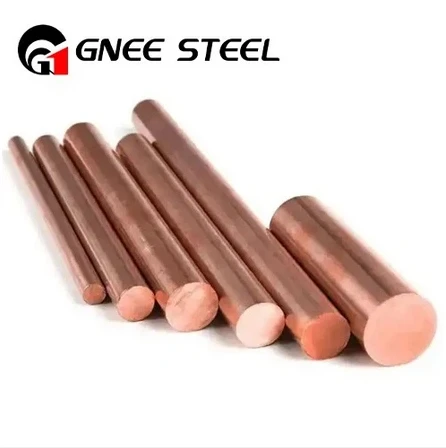
Copper itself is a reddish-orange metal. When small amounts of zinc (≤15%) are added, the alloy retains most of copper's reddish base but lightens to a reddish-gold, as zinc atoms disrupt copper's lattice structure slightly without overriding its dominant optical properties.
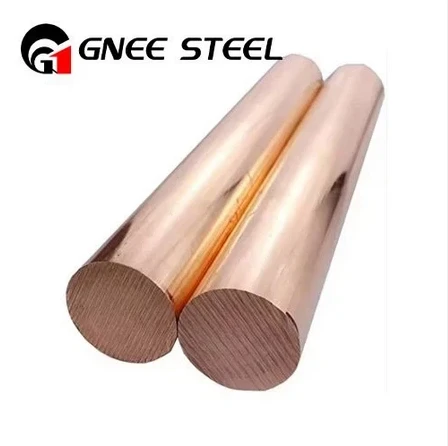
As zinc content increases to 20–30%, the alloy's electron band structure changes, reflecting more yellow light and absorbing less red/orange light-resulting in the characteristic bright yellow color associated with "standard brass."
Higher zinc content (30–40%) further shifts the light reflection toward shorter wavelengths (blue/violet), diluting the yellow hue to a paler shade. Excess zinc (>45%) leads to a silvery appearance but compromises the alloy's ductility and corrosion resistance, limiting its practical applications.
2. Role of Alloy Grades (Direct Link to Composition & Color)
a. Reddish Brass (Low-Zinc Grades)
ASTM C23000 (Red Brass): 85% Cu, 15% Zn (max). Color: Deep reddish-gold.
Application: Plumbing fittings, valves, and marine components (excellent corrosion resistance in water).
ASTM C24000 (Low Brass): 80% Cu, 20% Zn. Color: Reddish-yellow (warmer than standard brass).
Application: Musical instruments (trombones, trumpets) and decorative hardware (due to good malleability and warm tone).
EN CW617N (CuZn30Pb1): 69% Cu, 30% Zn, 1% Pb. Color: Pale reddish-yellow (slightly paler than C23000 due to higher Zn).
b. Bright Yellow Brass (Standard-Zinc Grades)
ASTM C26000 (Cartridge Brass): 70% Cu, 30% Zn. Color: Bright, vivid yellow (the "classic brass" color).
Application: Ammunition casings, electrical connectors, and sheet metal (balanced strength and ductility).
ASTM C27200 (Yellow Brass): 65% Cu, 35% Zn. Color: Bright yellow with a slight gold tint.
Application: Plumbing pipes, faucets, and decorative items (cost-effective and easy to machine).
EN CW608N (CuZn40): 60% Cu, 40% Zn. Color: Pale bright yellow (lighter than C26000).
c. Special Grades with Trace Elements (Minor Color Modifiers)
Tin-Added Brass (Naval Brass, ASTM C46400): 60% Cu, 39% Zn, 1% Sn. Color: Slightly darker yellow (tin adds a warm, muted tone).
Lead-Added Brass (ASTM C36000, Free-Cutting Brass): 61.5% Cu, 35.5% Zn, 3% Pb. Color: Bright yellow (lead does not change color significantly but improves machinability).
Aluminum-Added Brass (ASTM C68700): 76% Cu, 22% Zn, 2% Al. Color: Golden-yellow with a metallic sheen (aluminum enhances corrosion resistance and adds a slight brightness).
3. Secondary Factors: Processing & Environmental Effects
a. Mechanical/Heat Processing
Cold Working: Cold rolling, drawing, or stamping can make brass appear paler or more silvery due to surface deformation (grain refinement and work hardening). For example, a bright yellow C26000 brass sheet may look slightly lighter after cold rolling, but annealing (heat treatment) will restore its original yellow color by recrystallizing the grains.
Annealing: Heating brass to 400–600°C and cooling slowly can darken the color slightly (e.g., reddish brass may become deeper red) by relieving internal stresses and homogenizing the microstructure.
b. Oxidation & Patina
Fresh brass: Exhibits its inherent color (yellow/reddish).
Oxidized brass: Develops a dark brown, green, or blue-green patina (e.g., the green coating on old brass fixtures). This patina is a protective layer but masks the original color.
Note: This is a surface phenomenon, not a change in the alloy's composition or grade. Polishing can remove the patina and restore the original color.



