


1. What Material is C12200?
Core Characteristics:
Material Category: Unalloyed copper (pure copper variant) with minimal alloying elements (only phosphorus as a deoxidizer).
Key Purpose: Phosphorus (P) reacts with oxygen (O) in molten copper to form phosphorus pentoxide (P₂O₅), which is removed during casting-eliminating residual oxygen that would cause "hydrogen embrittlement" (brittleness and cracking) when the material is heated in hydrogen-containing environments (e.g., welding, high-temperature service).
ASTM Standard Compliance: Defined by ASTM B152/B152M (Standard Specification for Copper Sheet, Strip, Plate, and Rolled Bar), specifying its chemical composition, mechanical properties, and processing requirements.
Common Synonyms: DHP Copper (Deoxidized High Phosphorus Copper), CW024A (European EN standard equivalent), and T2P (Chinese GB/T 5231 standard equivalent).
2. What Color is the Surface of C12200?
1. As-Fabricated (Fresh Surface):
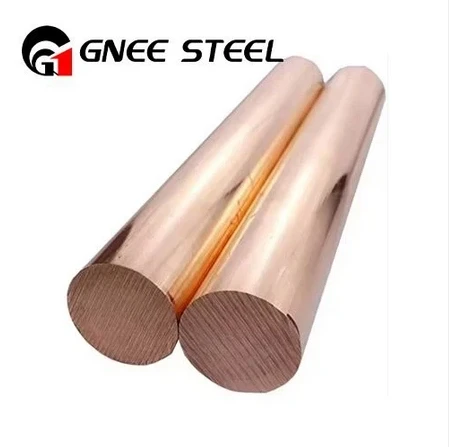
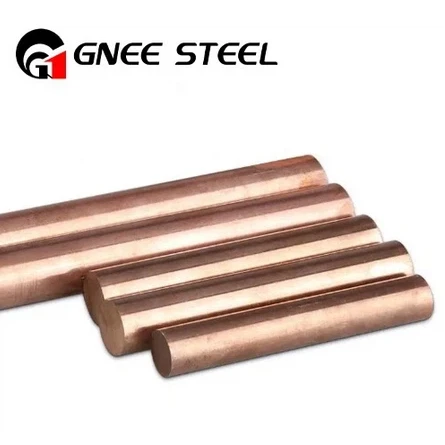
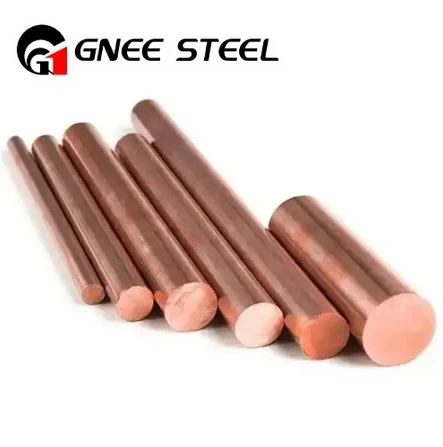
Color: Bright reddish-orange (similar to pure copper, e.g., C11000). This is the natural color of unoxidized copper, characterized by a warm, metallic luster.
Why: C12200 has a copper content of ≥99.90%, so its base color is identical to pure copper. The trace phosphorus addition does not alter the material's inherent color.
Examples:
Cold-worked C12200 (e.g., drawn tubes, rolled sheets): Bright, reflective reddish-orange surface.
Hot-worked C12200 (e.g., extruded bars, forged components): Slightly darker reddish-orange with a matte finish (due to minor oxidation during heating).
2. Oxidized Surface (Exposed to Air/Moisture):
Short-Term Exposure (Days to Weeks): Forms a thin, dull reddish-brown oxide film (copper(I) oxide, Cu₂O). The surface loses its luster but retains a reddish hue.
Long-Term Exposure (Months to Years): Develops a thicker, darker patina (mixture of copper oxides, hydroxides, and carbonates). The color gradually shifts to dark brown, then to a greenish-blue (verdigris) if exposed to humid or marine environments.
Note: The patina acts as a protective layer, slowing further corrosion of the underlying copper. This is why C12200 is often used in outdoor or plumbing applications where long-term durability is required.
3. Processed/Coated Surfaces:
If polished (e.g., for decorative or electrical applications), the surface returns to a bright, mirror-like reddish-orange.
If plated (e.g., nickel, tin, or chrome), the surface color changes to the color of the plating material (e.g., silver for nickel plating, gray for tin plating).
3. What is the Chemical Composition of C12200?
Key Notes on Composition:
Copper Purity: ≥99.90% ensures C12200 retains pure copper's core properties (e.g., electrical conductivity ~90–95% IACS, thermal conductivity ~380 W/(m·K)).
Phosphorus Control: The 0.015–0.040% P range is critical-this "high phosphorus" content distinguishes C12200 from low-phosphorus deoxidized copper (e.g., C12000, which has 0.005–0.015% P) and enhances its resistance to hydrogen embrittlement.
Impurity Limits: Strict restrictions on Fe, Pb, S, and other elements ensure consistent mechanical performance (e.g., tensile strength 220–300 MPa in annealed state) and avoid degradation of corrosion resistance or processability.
Summary for C12200:
Material: Phosphorus-deoxidized pure copper (DHP copper) compliant with ASTM B152.
Surface Color: Bright reddish-orange (fresh/fabricated); dull reddish-brown to greenish-blue (oxidized/patinated).
Chemical Composition: ≥99.90% Cu, 0.015–0.040% P, ≤0.001% O, and trace impurities (total ≤0.10%).



