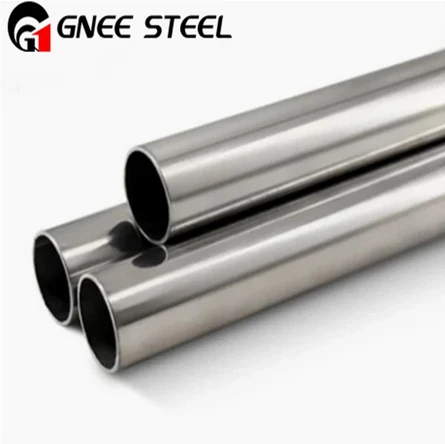
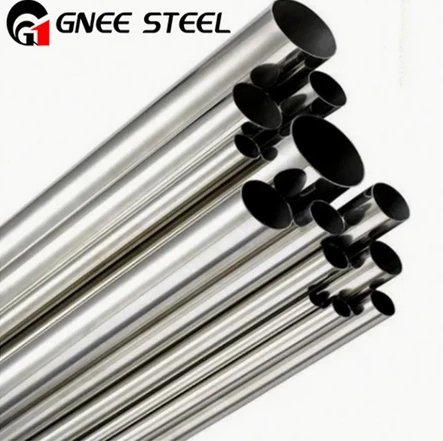
Hastelloy B-2 (UNS N10665) is a nickel-molybdenum (Ni-Mo) based superalloy specifically designed for excellent corrosion resistance in strong reducing environments. It is a member of the Hastelloy family, optimized to resist aggressive chemical media that most other alloys (including stainless steel and common nickel-based alloys) cannot withstand.
Unlike Hastelloy C-series alloys (which focus on balancing oxidation and reduction resistance), Hastelloy B-2 is a "specialized corrosion-resistant alloy" with ultra-high molybdenum content. Its core advantage lies in resisting hydrochloric acid (HCl)-one of the most corrosive industrial acids-across a wide range of concentrations and temperatures. It is widely used in chemical processing, petrochemical, pharmaceutical, and metal pickling industries.
The chemical composition of Hastelloy B-2 is strictly controlled to ensure its corrosion resistance and mechanical stability. The following are the typical composition ranges (by weight percentage, wt%) specified in standards such as ASTM B333 and ASME SB-333:
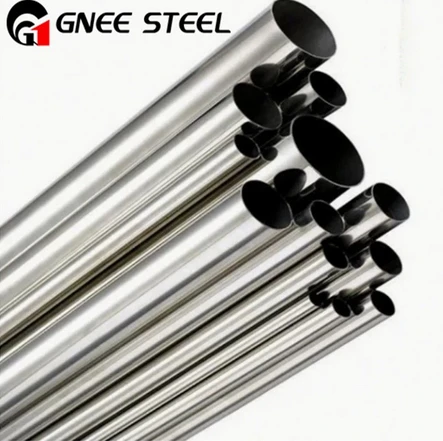
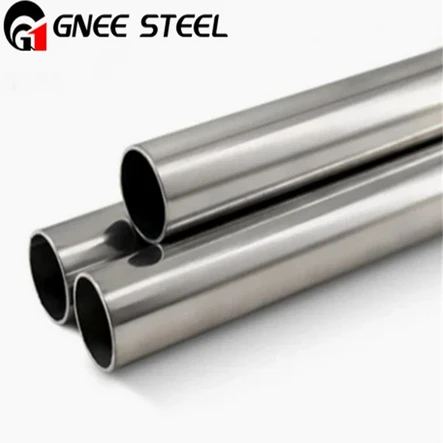
The hardness of Hastelloy B-2 varies with its heat treatment state and cold working degree, as hardness is closely related to the alloy's microstructure (e.g., grain size and dislocation density). Below are the key details:
Annealing process: The standard heat treatment for Hastelloy B-2 is annealing at 1065 – 1175°C (1950 – 2150°F), followed by rapid cooling (water quenching). This process produces a uniform, fine-grained microstructure with optimal corrosion resistance and ductility.
Typical hardness values:
Brinell Hardness (HB): ≤ 230
Rockwell Hardness (HRC): ≤ 25
Vickers Hardness (HV): ≤ 240
This is the most common state for Hastelloy B-2 in practical applications, as it balances corrosion resistance and processability.
Cold working (e.g., cold rolling, cold drawing, or cold forging) increases the dislocation density in the alloy, thereby significantly improving hardness (at the cost of reduced ductility). The harder the cold working degree, the higher the hardness:
10% cold working: HB ≈ 260 – 280; HRC ≈ 28 – 30
20% cold working: HB ≈ 300 – 320; HRC ≈ 32 – 34
30% cold working: HB ≈ 340 – 360; HRC ≈ 36 – 38
Cold-worked Hastelloy B-2 is rarely used in corrosion-resistant components, as cold working may increase stress corrosion cracking (SCC) risk in harsh media.
At elevated temperatures, the atomic mobility of the alloy increases, leading to a gradual decrease in hardness:
At 200°C: Hardness remains almost the same as room temperature (HB ≈ 220 – 230).
At 400°C: HB ≈ 200 – 210 (slight decrease).
At 600°C: HB ≈ 180 – 190 (significant decrease, but still maintains basic structural strength).