Nickel plated copper refers to a material composed of a copper base or core that has been coated with a thin layer of nickel through an electroplating process. This technique involves submerging the copper object in an electrolyte solution containing nickel ions and applying an electric current, which causes the nickel ions to deposit onto the copper surface, forming a uniform, adherent layer. The purpose of this plating is to combine the beneficial properties of both metals: copper's excellent electrical and thermal conductivity, and nickel's superior corrosion resistance, hardness, and aesthetic appeal (a bright, silvery finish). This makes nickel plated copper ideal for applications such as electrical connectors, plumbing fixtures, musical instruments, and decorative items, where the copper provides functional performance while the nickel layer protects against tarnishing, wear, and environmental damage.
Cleaning nickel plated copper requires gentle methods to avoid damaging the thin nickel layer, which can scratch or dull if abrasive materials are used. Here's a detailed approach:
Mild Cleaning for Regular Maintenance: Start with a soft cloth or sponge dampened with warm, soapy water (using a mild, non-abrasive detergent). Gently wipe the surface to remove dust, fingerprints, or light grime. Rinse thoroughly with clean water to remove soap residue, then dry immediately with a soft, lint-free cloth to prevent water spots, which can etch the nickel over time.
Tackling Tarnish or Stubborn Spots: For mild tarnish, mix a solution of equal parts white vinegar and water, or use a small amount of lemon juice diluted with water. Apply this to the surface with a soft cloth, gently rubbing in circular motions. For slightly more stubborn stains, create a paste with baking soda and water (a 3:1 ratio of baking soda to water), apply it sparingly with a soft cloth, and rub gently-avoid excessive pressure to prevent scratching. Rinse thoroughly and dry immediately.
Avoid Harmful Substances: Never use abrasive cleaners (e.g., steel wool, scouring pads), harsh chemicals (e.g., bleach, ammonia, acidic or alkaline cleaners), or metal polishes designed for unplated metals, as these can strip the nickel layer or cause discoloration. Additionally, avoid prolonged exposure to moisture, as even nickel can develop spots if left wet.
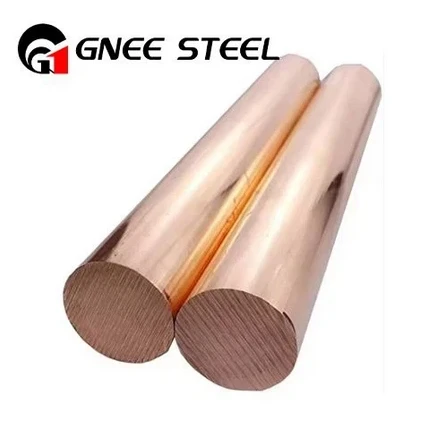
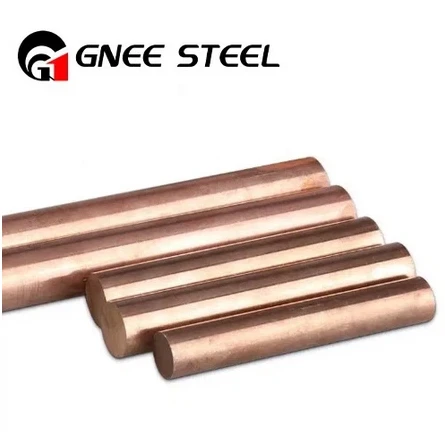

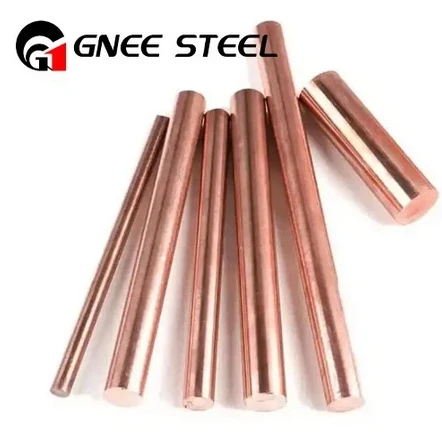
Strictly speaking, nickel-plated copper does not "rust"-a term specifically referring to the oxidation of iron or iron alloys, resulting in iron oxide (rust). However, it can still undergo corrosion or tarnishing under certain conditions, depending on the integrity of the nickel layer.
The nickel plating acts as a barrier, protecting the underlying copper from direct exposure to air, moisture, and corrosive elements. Nickel itself is highly resistant to corrosion because it forms a thin, stable oxide layer (nickel oxide) on its surface, which prevents further oxidation. This makes the plated surface resistant to tarnishing, rust-like discoloration, and degradation in most everyday environments.
However, if the nickel layer is scratched, chipped, or worn away, the underlying copper becomes exposed. Copper does not rust, but it reacts with oxygen, moisture, and pollutants (e.g., sulfur in the air) to form a greenish patina (copper carbonate or copper sulfate), often called "verdigris." Additionally, in humid or salty environments (e.g., coastal areas), the exposed copper may corrode more quickly, and the nickel layer around the damaged area could also be susceptible to localized corrosion if contaminants seep through the gap.
In summary, while nickel-plated copper does not rust, it can develop tarnish, patina (if copper is exposed), or localized corrosion if the nickel layer is compromised. Proper maintenance-avoiding scratches and keeping the surface dry-helps preserve the plating and prevent such issues.






