


What is Hastelloy B3? Understanding Its Properties, and Applications
Hastelloy B3 is a highly specialized nickel-molybdenum alloy designed to provide superior corrosion resistance in corrosive environments. Known for its superior performance in aggressive chemical processing, Hastelloy B3 is the preferred choice in industries where material integrity is critical. This blog explores the composition, properties and multiple applications of Hastelloy B3, focusing on how Hastelloy B3 plate enhances its versatility and reliability.
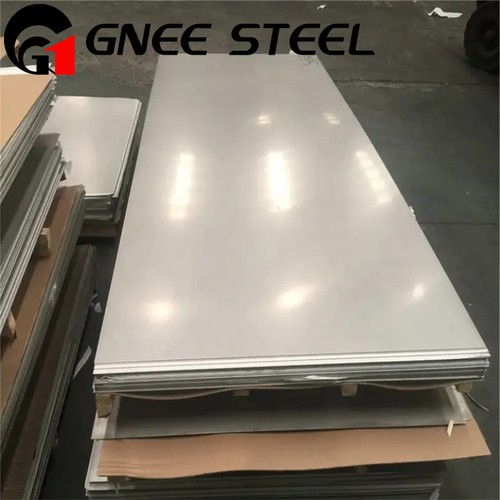

Composition of Hastelloy B3
Hastelloy B3 is formulated with a unique combination of elements to enhance its corrosion resistance and mechanical properties:
Nickel (Ni): present at approximately 67%, forms the base of the alloy and imparts its primary structural and corrosion resistance characteristics.
Molybdenum (Mo): present at approximately 30%, significantly improving its resistance to hydrochloric acid and other reducing environments.
Chromium (Cr): present at approximately 1%, contributing to enhanced oxidation resistance and improving overall corrosion resistance.
Iron (Fe): present in lower amounts up to 2%, serves to stabilize the alloy and improve its mechanical properties.
This composition ensures that Hastelloy B3 plate maintains excellent performance in environments where other materials may fail.
Properties of Hastelloy B3
Corrosion Resistance
Acid Resistance: Hastelloy B3 has excellent resistance to hydrochloric acid and other corrosive acids, making it an ideal choice for chemical processing environments.
General Corrosion Resistance: The alloy's tolerance to a wide range of corrosive media ensures its long life and reliability in harsh conditions.
High Temperature Stability
Thermal Stability: Hastelloy B3 maintains its mechanical properties and corrosion resistance at elevated temperatures, making it suitable for high temperature applications.
Oxidation Resistance: Hastelloy B3 not only performs well in reducing environments, but also has good oxidation resistance at elevated temperatures.
Mechanical Strength
Tensile Strength: The alloy has excellent tensile strength, good durability and resistance to deformation under mechanical stress.
Ductility: Hastelloy B3 plate is highly ductile and can be formed and welded into a variety of shapes without compromising its properties.
Weldability
Easy to weld: Hastelloy B3 can be welded using standard welding processes, including gas tungsten arc welding (GTAW) and gas metal arc welding (GMAW), without losing its corrosion resistance.
Post-weld treatment: The alloy generally does not require post-weld heat treatment, which simplifies the manufacturing process and reduces overall costs.
Applications of Hastelloy B3
Chemical Industry
Reactors and Equipment: Hastelloy B3 plate is widely used in reactors, vessels, and other equipment that are exposed to highly corrosive substances such as hydrochloric acid.
Heat Exchangers: The corrosion resistance of the alloy makes it an ideal choice for heat exchangers that handle corrosive chemicals.
Pollution Control
Flue Gas Desulfurization: Hastelloy B3 is used in flue gas desulfurization systems to withstand the corrosive effects of acid gases and slurries.
Waste Treatment: The alloy is used in equipment that handles industrial waste and can withstand corrosion from corrosive chemicals.
Marine Engineering
Seawater Applications: Hastelloy B3 plate is used in marine environments, including seawater cooling systems and desalination equipment, where corrosion resistance and high temperature resistance are critical.
Offshore structures: The alloy's durability makes it suitable for offshore platforms and subsea equipment, ensuring reliable operation in harsh marine conditions.
Oil and gas industry
Downhole equipment: In the oil and gas industry, Hastelloy B3 is used for downhole equipment that is exposed to corrosive fluids and gases, maintaining long-term performance in harsh environments.
Refinery components: The alloy is also used in refining processes that must withstand corrosive chemicals and high temperatures.
Pharmaceutical industry
Process vessels: Hastelloy B3 sheet is used in process vessels in the pharmaceutical industry that handle corrosive chemicals and need to maintain strict hygiene and safety standards.
Sterilization equipment: The alloy's resistance to corrosive sterilants makes it suitable for equipment used in sterilization processes.
Advantages of Hastelloy B3 Plate
Excellent Corrosion Resistance
Longer Service Life: The excellent corrosion resistance of Hastelloy B3 alloy ensures longer service life of equipment and components, reducing the need for frequent replacement.
Less Downtime: The reliability of this alloy minimizes downtime, thereby improving overall efficiency and saving costs.
High Temperature Performance
Enhanced Durability: Hastelloy B3 alloy is able to maintain its properties at high temperatures, making it a reliable choice for demanding applications where other materials may fail.
Consistent Performance: The alloy's stability under thermal stress ensures consistent performance and safety in critical operations.
Manufacturing and Ease of Use
Versatility: Hastelloy B3 plate can be manufactured in a variety of shapes and sizes, which can be customized to meet specific project requirements.
Cost Effectiveness: The alloy is easy to weld and requires no post-weld treatment, which reduces manufacturing costs and simplifies the manufacturing process.
Wide Applications
Versatile: The alloy's properties make it suitable for a wide range of applications, from chemical processing to offshore engineering, with versatility and reliability.



