What are the disadvantages of GH4169?

What are the disadvantages of GH4169?
The main disadvantages of GH4169 high-temperature alloys include: the tendency to form brittle phases (such as Laves and delta phases) under certain thermal conditions; the deterioration of mechanical properties (toughness, ductility and creep life) due to long-term high-temperature exposure; and manufacturing challenges.
Can Inconel 718 alloy be hardened?
Hardening of Inconel 718 alloy is achieved by the precipitation of second phases (such as γ' and γ'' phases) in the metal matrix. The precipitation of these nickel-based (aluminum, titanium, niobium) phases is induced by heat treatment in a temperature range of 1100 to 1500°F (approximately 590 to 760°C).
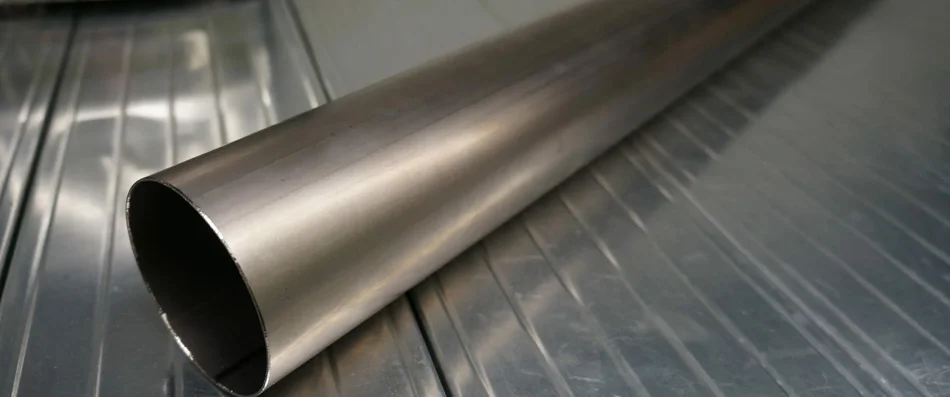
GH4169 is a nickel-based superalloy with exceptional strength and corrosion resistance. Its composition is predominantly high in nickel, with significant amounts of chromium and iron, and small amounts of molybdenum, niobium, and aluminum. This alloy is highly valued for its excellent mechanical properties, exhibiting high tensile and yield strength, outstanding fatigue resistance, and superior stress toughness. Furthermore, it demonstrates impressive creep and crack resistance during long-term high-temperature service.
What are the disadvantages of GH4169?
GH4169 is renowned for its excellent mechanical strength, corrosion resistance, and high-temperature performance, but it also has some significant limitations that engineers should consider when selecting materials.
1. High Cost
Due to its high nickel content and complex machining requirements, GH4169 is significantly more expensive than standard stainless steel or lower-grade alloys. This makes it less suitable for cost-sensitive applications.
2. Poor Machinability
GH4169 is known for its work-hardening properties, which makes machining extremely difficult. Cutting tools wear rapidly, leading to increased tool change costs and reduced productivity.
3. Special Welding Requirements
While GH4169 can be welded, welding parameters must be strictly controlled. Improper welding can lead to cracks or metallurgical defects, potentially compromising structural integrity.
4. High Coefficient of Thermal Expansion
Due to its relatively high coefficient of thermal expansion, GH4169 may undergo dimensional changes under temperature fluctuations. This factor must be considered for precision parts or components, especially in applications requiring thermal cycling.
Despite these challenges, GH4169 remains the material of choice for demanding applications such as aerospace, energy, and oil and gas, where its superior performance under extreme conditions far outweighs its drawbacks.
Why Choose Gnee Nickel Alloy (Supplier Example)?
✅ Large stock of GH4169 alloy tubes/bars/plates/fittings available for fast shipping.
✅ Factory direct sales, highly competitive prices, excellent value for money.
✅ Comprehensive quality assurance: Material Testing Certificate (MTC), Chemical Composition Certificate, and Mechanical Properties Certificate.
✅ Value-added services: Slitting, cutting, polishing, surface treatment.
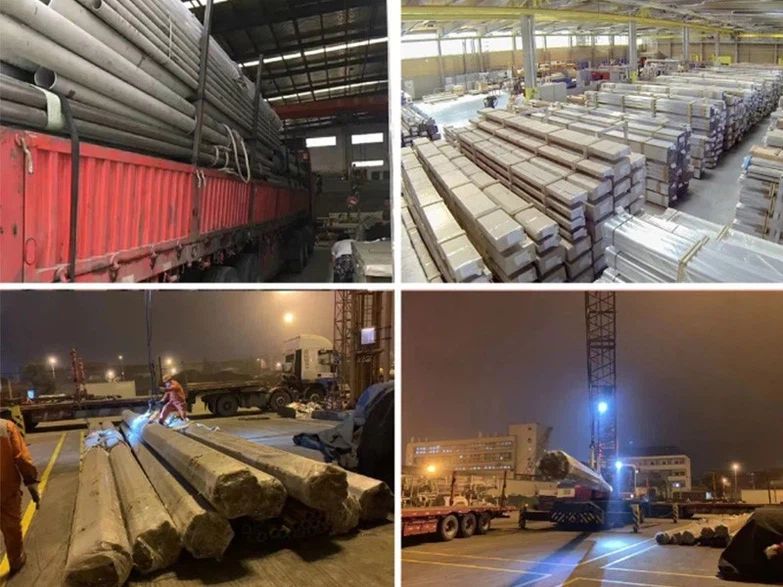
✅ Worldwide shipping, secure and reliable packaging, and provision of export-required documents.
Email: ss@gneemetal.com
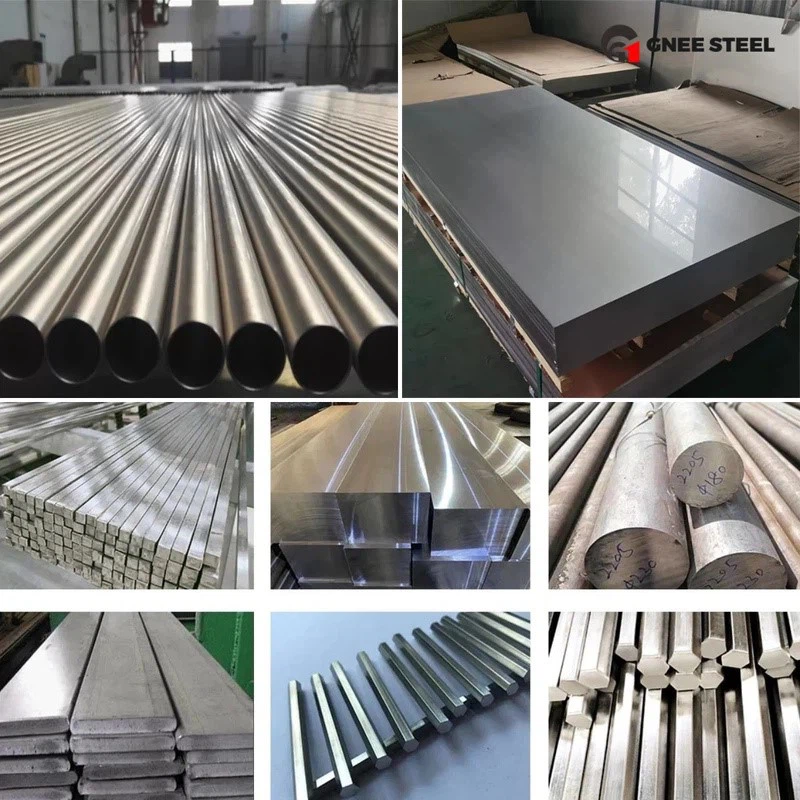
Gnee Steel is a supplier of GH4169 alloy, offering a wide range of products including: seamless pipe (sizes: 4-219 mm; thickness: 0.5-20 mm); welded pipe (sizes: 5.0-1219.2 mm; thickness: 0.5-20 mm); plates (thickness: 0.1 to 100 mm; width: 10-2500 mm); strips; alloy round bars (diameter: 3-800 mm); flat bars (thickness: 2-100 mm; width: 10-500 mm); hexagonal bars (size: 2-100 mm); wire rods; and extruded profiles. We collaborate with steel mills to provide our customers with GH4169 alloy products that meet or exceed numerous leading industry standards, including ASTM, ASME, SAE, AMS, ISO, DIN, EN, and BS standards.
Gnee Steel stocks and sells GH4169, pipes, plates, strips, round bars, flat bars, forged billets, hexagonal steel, wire rods, and extruded profiles. Please feel free to contact us at ss@gneesteel.com for a quote.