


1. Most Common Material Grades of Brass
① C36000 (Free-Cutting Brass / "Naval Brass" for Machining)
Composition: Cu (60–63%), Zn (35–38%), Pb (2.0–3.0%)
Key Trait: The most popular brass grade due to its excellent machinability (rating ~85% vs. free-cutting steel), high strength, and good ductility. Lead acts as a lubricant during machining, reducing tool wear and enabling high-speed cutting.
Standards: ASTM B16/B16M, SAE J461, ISO 428
Usage: Nuts, bolts, screws, fittings, valves, gears, and precision machined components (e.g., electrical connectors, plumbing hardware).
② C26000 (Cartridge Brass / 70-30 Brass)
Composition: Cu (68–71%), Zn (29–32%)
Key Trait: Balanced ductility, strength, and corrosion resistance. Highly formable (can be cold-rolled, drawn, or stamped into thin sheets/strips) and weldable.
Standards: ASTM B111/B111M, SAE J461, ISO 428
Usage: Cartridge casings, ammunition components, musical instruments (brass instruments), decorative trim, heat exchangers, and electrical terminals.
③ C27000 (Yellow Brass / 65-35 Brass)
Composition: Cu (63–67%), Zn (33–37%)
Key Trait: Bright golden color, good corrosion resistance (especially in freshwater), and excellent formability. More cost-effective than C26000 due to higher zinc content.
Standards: ASTM B124/B124M, SAE J461
Usage: Plumbing pipes, fittings, valves, hardware (doorknobs, hinges), decorative objects, and marine components (non-critical).
④ C35300 (High-Lead Free-Cutting Brass)
Composition: Cu (59–62%), Zn (34–37%), Pb (3.0–4.0%)
Key Trait: Enhanced machinability vs. C36000, ideal for complex, high-precision parts requiring tight tolerances.
Standards: ASTM B16, SAE J461
Usage: Precision gears, valve stems, electrical connectors, and automotive components (e.g., sensor housings).
⑤ C46400 (Naval Brass / 60-39-1 Brass)
Composition: Cu (59–62%), Zn (37–40%), Sn (0.5–1.0%)
Key Trait: Superior corrosion resistance in seawater and marine environments (tin improves resistance to dezincification and biofouling). Higher strength than standard brasses.
Standards: ASTM B21/B21M, SAE J461
Usage: Marine hardware (propellers, fittings, valves), ship hull components, and industrial equipment for saltwater or harsh environments.


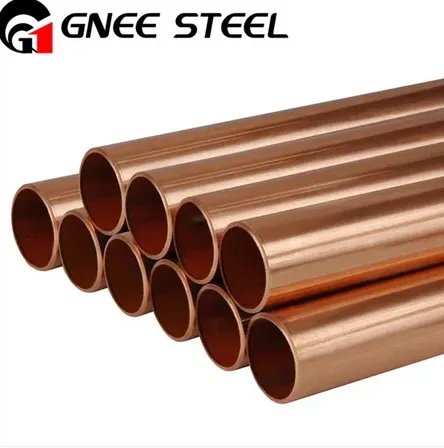

2. Most Common Applications of Brass
① Plumbing & Pipe Systems
Core Uses: Pipes, fittings (elbows, tees, couplings), valves, faucets, and water meters.
Rationale: Resists corrosion in freshwater and mild chemicals; easy to machine and solder/braze into leak-tight joints. C27000 (yellow brass) and C36000 (free-cutting brass) are the primary grades here.
② Fasteners & Hardware
Core Uses: Nuts, bolts, screws, washers, hinges, doorknobs, locks, and cabinet hardware.
Rationale: Excellent machinability (C36000, C35300) enables mass production of high-precision parts; good strength and wear resistance ensure durability.
③ Electrical & Electronic Components
Core Uses: Electrical terminals, connectors, switch contacts, wire insulation, and heat sinks.
Rationale: Moderate electrical conductivity (25–40% IACS), corrosion resistance, and formability. C26000 (cartridge brass) is preferred for terminals, while C36000 is used for machined connectors.
④ Automotive & Transportation
Core Uses: Radiator cores, fuel lines, valve stems, gears, bearings, and decorative trim.
Rationale: Heat resistance, corrosion resistance (to engine fluids), and machinability. Naval brass (C46400) is used for marine vessel components, while C36000 is common in automotive fasteners.
⑤ Musical Instruments
Core Uses: Brass instruments (trumpets, trombones, saxophones, tubas), bells, and mouthpieces.
Rationale: Acoustic resonance, malleability (for shaping complex curves), and golden aesthetic. C26000 (cartridge brass) is the standard grade for instrument bodies, as it balances tone and workability.
⑥ Decorative & Architectural Applications
Core Uses: Door frames, window trim, railings, statues, plaques, and jewelry (costume jewelry, zippers).
Rationale: Attractive golden color (ages to a patina if uncoated), corrosion resistance, and ease of polishing. C27000 and C26000 are widely used for architectural trim, while leaded brasses (C36000) are used for cast decorative objects.
⑦ Industrial Equipment & Valves
Core Uses: Valves, pumps, gears, bearings, and chemical processing components.
Rationale: Corrosion resistance to mild acids, alkalis, and organic solvents; high wear resistance (especially leaded brasses). Naval brass (C46400) is used for marine/harsh environment equipment.
⑧ Ammunition & Military
Core Uses: Cartridge casings, bullet jackets, and military hardware.
Rationale: High ductility (C26000) allows the casing to expand and seal the chamber during firing; strength and corrosion resistance prevent deformation.



