


1. Manufacturing Process
Made by shaping a flat steel sheet into a cylindrical form and welding the seam (longitudinal or spiral).
The welded joint is often normalized or heat-treated for strength, and then galvanized (coated with zinc) to prevent corrosion.
Common methods: ERW (Electric Resistance Welding), SAW (Submerged Arc Welding).
Formed by piercing a solid steel billet (round bar) into a hollow tube using a hot extrusion or cold-drawing process.
No visible weld seam; the pipe is a single, continuous piece of metal.
Galvanized after manufacturing to add corrosion resistance.
2. Structural Differences
Contain a weld seam, which can be a potential weak point if not properly fabricated or inspected.
Thickness and diameter consistency may vary slightly along the weld line.
Uniform, seamless structure with consistent wall thickness and diameter throughout.
No weld - related weaknesses, making them more homogeneous.
3. Strength and Pressure Resistance
Generally suitable for low to medium pressure applications (e.g., water supply, irrigation, structural framing).
The weld seam must be tested (e.g., hydrostatic testing) to ensure it meets pressure standards.
Lower strength under extreme conditions (high pressure, temperature, or mechanical stress).
Higher pressure and temperature resistance due to their solid construction.
Ideal for critical applications like industrial pipelines, oil/gas transport, or high-pressure systems (e.g., boilers, refineries).
Better suited for environments with dynamic loads or corrosive media.
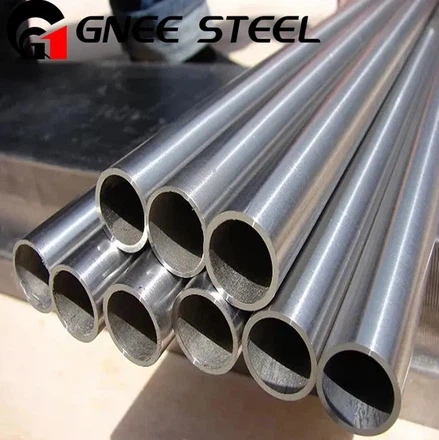
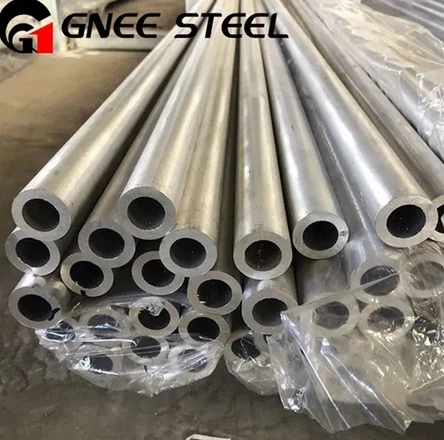

4. Corrosion Resistance
Both types are galvanized (GI), so their corrosion resistance is similar in most environments.
However, in highly corrosive conditions, seamless pipes may have a slight advantage:
Weld seams can sometimes develop micro - defects during galvanizing, though modern coatings mitigate this risk.
5. Cost and Availability
More cost-effective due to simpler manufacturing (lower material and production costs).
Widely available in standard sizes (common for residential and commercial use).
More expensive due to complex manufacturing processes (piercing, drawing, heat treatment).
Often require custom fabrication for non-standard sizes but offer superior performance in specialized applications.
6. Applications
Water distribution systems (residential, municipal).
Structural supports (fencing, scaffolding).
Agricultural irrigation, ventilation ducts, and general-purpose piping.
Industrial pipelines (chemical, petrochemical, power plants).
High-pressure systems (hydraulic lines, steam pipes).
Offshore or marine applications (corrosion resistance + strength).
Aerospace and automotive components (e.g., exhaust systems, fuel lines).


