




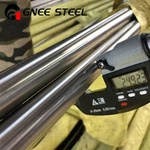

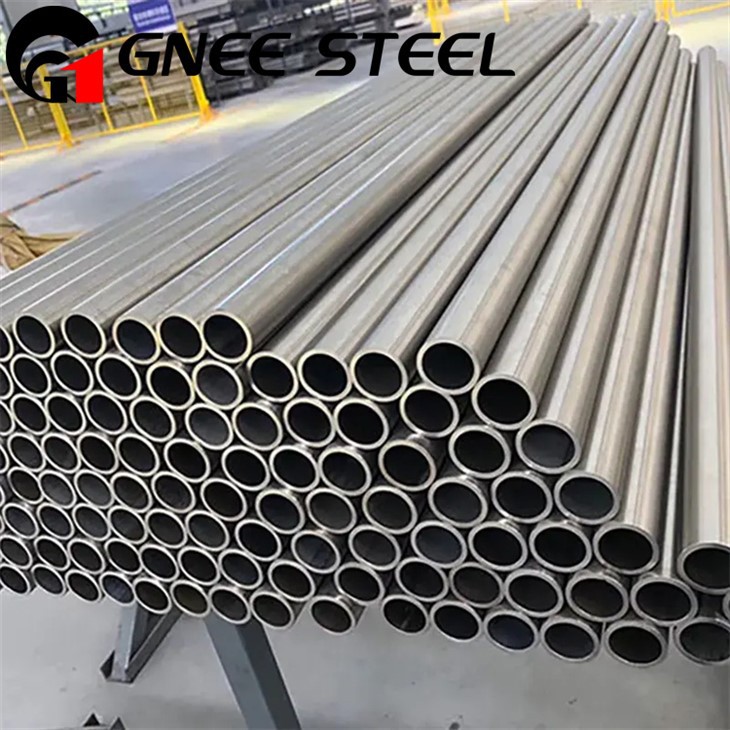


Inconel 718
Strength: Possesses high tensile strength, fatigue strength, creep strength, and fracture strength.
Temperature Range: Performs excellently in a temperature range from cryogenic temperatures to approximately 1290°F (980°C).
Corrosion Resistance: Resistant to oxidation and stress corrosion cracking, and exhibits good corrosion resistance in acidic environments containing hydrogen sulfide/carbon dioxide.
Weldability: Offers superior resistance to post-weld cracking compared to other high-temperature alloys.
Heat Treatment: Optimal mechanical properties are achieved through age hardening, and different heat treatment processes can be used depending on the application requirements.
As a leading supplier and manufacturer in China, GNEE Steel provides cost-effective nickel-based alloy products.
- Send E-mail: ss@gneesteel.com
- Tel: +8615824687445
Inconel 718 description

GNEE Inconel 718
Inconel 718 is a precipitation-hardened nickel-chromium superalloy. Its chemical composition is based on nickel (approx. 55%), chromium (approx. 21%), and iron (balance), with additions of molybdenum (approx. 3.3%), niobium, titanium, and aluminum.
The core of its strengthening mechanism lies in the formation of disc-shaped intermetallic precipitates (γ'', or Ni₃Nb) through the combination of niobium and nickel during heat treatment, which imparts exceptionally high yield strength to the alloy. Unlike other superalloys, this alloy exhibits a sluggish age-hardening response, allowing for easy annealing and welding during heating and cooling cycles without the risk of spontaneous hardening.
Key physical and mechanical properties include a density of 8.2 g/cm³, a melting point of 1260°C (2300°F), a room-temperature tensile strength of approximately 1230 MPa, and a modulus of elasticity of 205 kN/mm². Its operating temperature range extends from cryogenic temperatures up to 704°C (1300°F), maintaining excellent tensile and creep-rupture strengths throughout this range.
Inconel 718 Available Shape
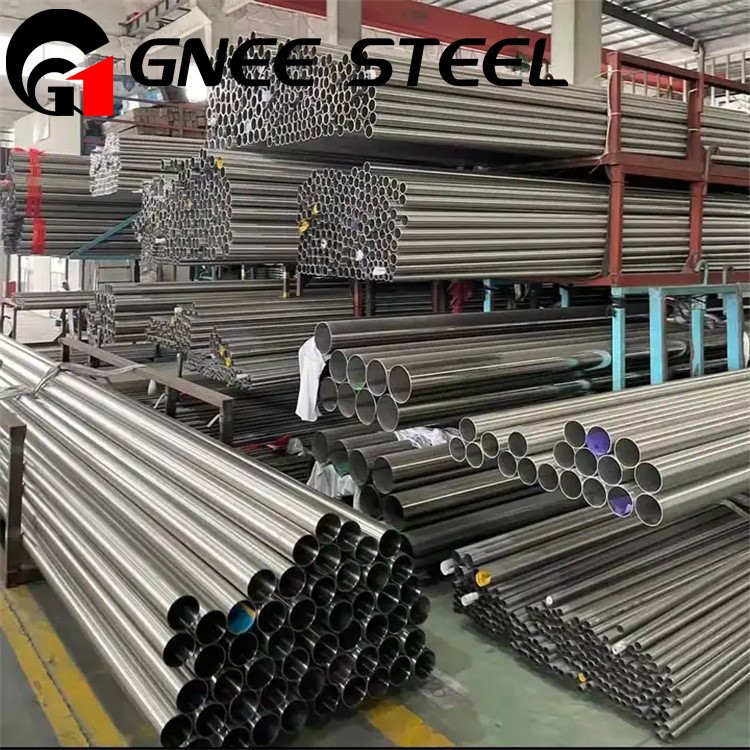
Inconel 718 Seamless Pipe
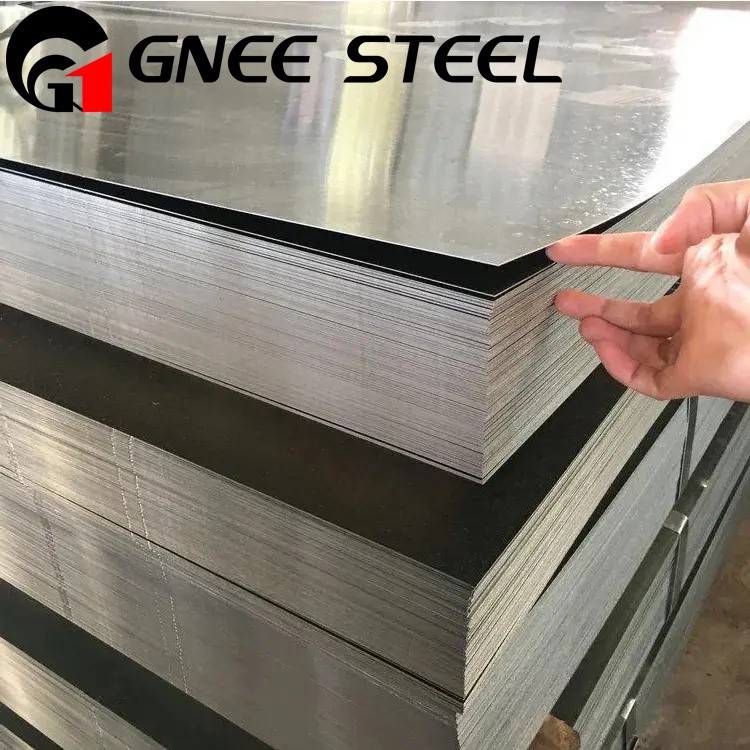
Inconel 718 Plate
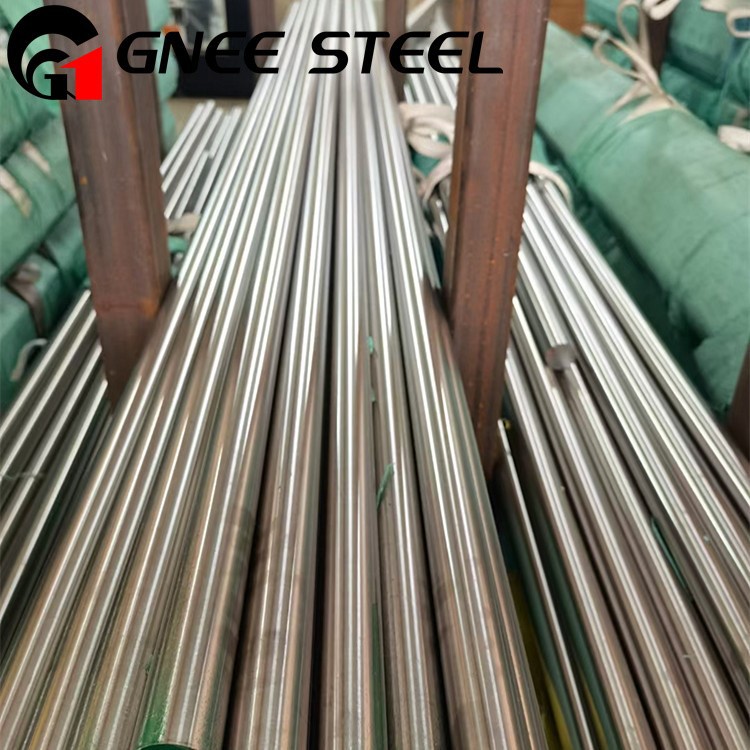
Inconel 718 Bar
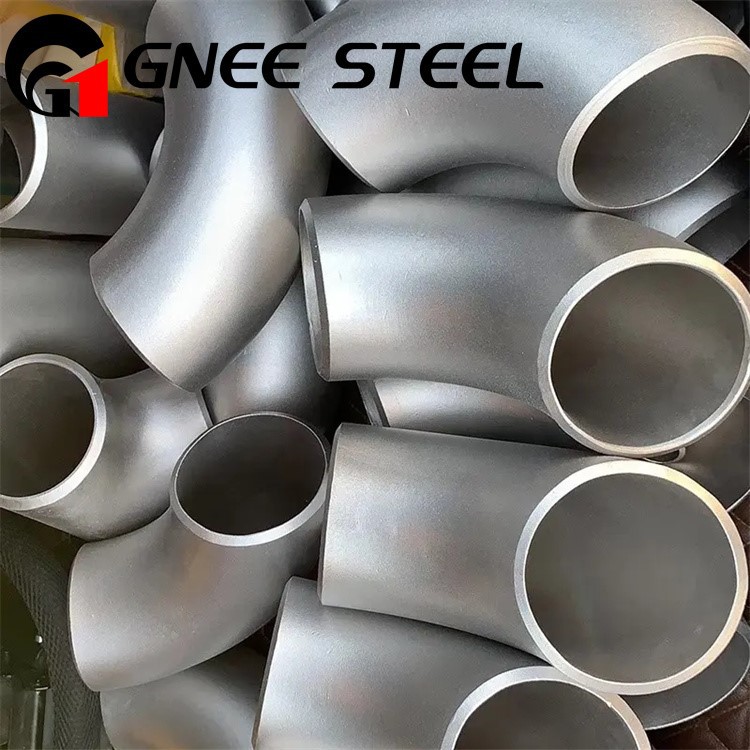
Inconel 718 Pipe Fitting
Inconel 718 Standards and Specifications
| Standard | Description |
|---|---|
| ASTM B637 | Bars and Rods |
| ASTM B670 | Plates and Sheets |
| ASTM B673 | Seamless Tubes |
| AMS 5662 / AMS 5663 |
Fitting |
Inconel 718 Specification
Inconel 718 Chemical Composition
| Alloy Element | ASTM B637 / B670 Standard (wt%) | Export High‑End Internal Control Value (wt%) | Core Engineering Function |
|---|---|---|---|
| Ni | 50.0 – 55.0 | 51.0 – 54.0 | Stabilizes the austenitic matrix; ensures structural stability across a wide temperature range |
| Cr | 17.0 – 21.0 | 18.0 – 20.0 | Provides high‑temperature oxidation resistance and corrosion protection against media attack |
| Nb+Ta | 4.75 – 5.50 | 4.9 – 5.4 | Core precipitation‑strengthening element; precipitates γ' phase; significantly enhances strength and creep resistance |
| Mo | 2.80 – 3.30 | 2.9 – 3.2 | Strengthens the matrix; improves high‑temperature creep resistance and pitting resistance |
| Ti+Al | Ti 0.65 – 1.15, Al 0.20 – 0.80 | Ti 0.7 – 1.1, Al 0.3 – 0.7 | Assists precipitation strengthening; matched with two‑stage aging process parameters |
| Fe | Balance | 17.0 – 19.0 | Balances toughness; suitable for hot/cold working and welding conditions |
| C | ≤ 0.08 | ≤ 0.04 | Ultra‑low carbon design; prevents intergranular brittle phase precipitation; ensures weldability |
| S / P | ≤ 0.015 | ≤ 0.005 | Aviation‑grade ultra‑low impurities; meets zero‑defect requirements for high‑end NDT acceptance |
Properties of Inconel 718 in the solution-treated condition
| Test Item | Standard Minimum | Export Actual Measured Value | Service Adaptability Description |
|---|---|---|---|
| Tensile Strength | ≥ 965 MPa | 980 – 1050 MPa | Excellent ductility; supports bending, forging, and complex precision machining |
| 0.2% Yield Strength | ≥ 550 MPa | 560 – 620 MPa | Stable matrix strength; resistant to deformation during processing |
| Elongation | ≥ 30% | 32% – 38% | Suitable for complex forming and welding processes |
Properties of Inconel 718 in the double-age-hardened condition
| Test Item | Standard Minimum | Export Actual Measured Value | Service Adaptability Description |
|---|---|---|---|
| Tensile Strength | ≥ 1240 MPa | 1280 – 1380 MPa | Ultra‑high tensile strength; suitable for high‑speed loading and high‑pressure load‑bearing components |
| 0.2% Yield Strength | ≥ 1030 MPa | 1050 – 1150 MPa | Extremely high resistance to deformation; prevents creep deformation under high temperature and pressure |
| Elongation | ≥ 12% | 14% – 20% | Excellent strength‑ductility balance; outstanding impact and fatigue resistance |
Corrosion resistance and oxidation resistance of Inconel 718
Inconel 718 offers excellent resistance to various corrosive environments, making it highly reliable in applications exposed to aggressive chemicals, moisture, and high-temperature oxidizing conditions.
Its corrosion resistance is primarily due to its high nickel (Ni) and chromium (Cr) content, as well as molybdenum (Mo) and niobium (Nb) for enhanced resistance to pitting and crevice corrosion.
| Environment | Performance Summary |
|---|---|
| Chloride‑Rich (e.g., Seawater) | Excellent resistance to pitting and crevice corrosion; suitable for marine and offshore use. |
| Acid Gases (H₂S) | Compliant with NACE MR0175/ISO 15156; resists sulfide stress cracking. |
| Acids (e.g., HNO₃, H₂SO₄) | Good resistance in mixed‑acid environments; moderate resistance in highly reducing acids. |
| Industrial Atmospheres | Stable in humid, polluted, and acidic conditions, including flue gases and refinery settings. |
| High‑Temperature Water/Steam | Suitable for nuclear and power‑generation systems; retains passivity under elevated pressure/temperature. |
Inconel 718 is frequently used in downhole oilfield tools, chemical reactors, fasteners, and heat exchangers where corrosion is a critical factor.
Oxidation Resistance
Inconel 718 performs well in oxidizing atmospheres up to ~980°C, although its mechanical strength limits practical service to ~650°C.
Protective Oxide Film: The alloy forms a dense Cr₂O₃ (chromia) layer that resists spalling and prevents further oxidation.
Thermal Cycling: Maintains surface integrity during repeated heating and cooling, making it suitable for jet engine components and turbine hardware.
Sulfidation: Exhibits good resistance to high-sulfur combustion environments compared to stainless steel, although less than some Mo-containing alloys.
Comparison of Inconel 718 with other materials
Inconel 718 vs other nickel-based superalloys
| Material | Temperature Capability (°C) | Strength | Weldability / Workability | Typical Applications |
|---|---|---|---|---|
| Inconel 718 | Up to ~700°C | High (due to γ', γ'') | Good weldability and machinability | Turbine disks, aerospace components, oil & gas |
| Inconel 625 | Up to ~980°C | Moderate | Excellent weldability | Corrosion resistance, chemical processing |
Summary: Inconel 718 offers a balanced combination of high strength and relatively good machinability, unlike some other high-temperature alloys that prioritize high-temperature strength at the expense of manufacturability.
Stainless steel and Inconel 718
| Material | Temperature Capability (°C) | Corrosion Resistance | Strength | Typical Applications |
|---|---|---|---|---|
| Inconel 718 | Up to ~700°C | Excellent (Oxidation, Corrosion) | Very High | High‑temperature aerospace, power generation |
| 316L Stainless Steel | Up to ~400°C | Good (Chloride Resistance) | Moderate | Chemical tanks, marine fittings |
| 17‑4 PH Stainless Steel | Up to ~480°C | Good | Moderate to High | Aerospace, pump shafts, valves |
Summary: Inconel 718 outperforms stainless steel in high-temperature and corrosive environments, making it the preferred choice when strength and oxidation resistance are critical.
Inconel 718 vs titanium alloy
| Material | Temperature Capability (°C) | Strength-to-Weight Ratio | Corrosion Resistance | Typical Applications |
|---|---|---|---|---|
| Inconel 718 | Up to ~700°C | Moderate | Excellent | High‑temperature components, turbine disks |
| Ti‑6Al‑4V | Up to ~400°C | Very High | Good | Aerospace structural parts, medical implants |
| Ti‑6242 | Up to ~540°C | High | Good | Jet engine compressor blades, structural parts |
Summary: Titanium alloys offer excellent strength-to-weight ratio and corrosion resistance at moderate temperatures, but nickel-chromium-iron alloy 718 remains superior for high-temperature applications where strength retention is crucial.
Applications of Inconel 718
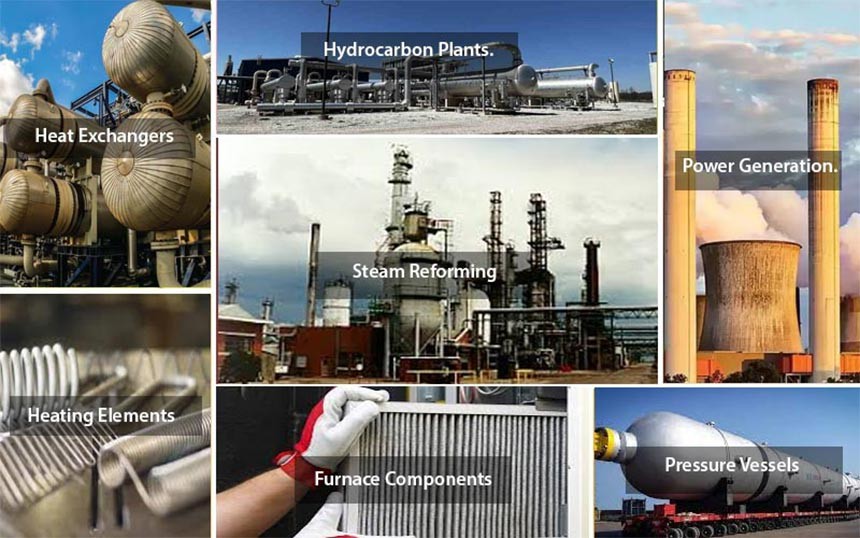
INCONEL 718 alloy is widely used in critical applications requiring high strength and corrosion resistance:
Aerospace: Aircraft engine components, rocket engines, and spacecraft.
Gas turbines: Turbine discs, blades, and seals.
Nuclear reactors: Core components and reactor internal structures.
Oil and gas: Wellhead components, valves, and downhole tools.
Automotive: Turbocharger rotors and seals.
Inspection and packaging of inconel 718 Product

Testing Of inconel 718
Gnee Steel is renowned for its perfect dimensional accuracy. All products undergo rigorous testing before shipment. We perform both destructive and non-destructive testing on all products.
Eddy current testing
Hydrostatic pressure analysis
Pitting corrosion protection testing
Power generation industry
Material composition identification
Packing Of Inconel 718 Product
Gnee Steel uses the safest and most effective packaging methods for all types of cargo transportation. Our packaging methods include:
Wooden crates
Wooden pallets
Shrink wrap packaging
Cardboard boxes
Wooden crates

About Gnee Alloy

Provide the following precise specifications to receive a tailored quote for high-end projects, along with a complete documentation package for tender submission and acceptance:
1. Product Form: Plate/Bar/Pipe/Strip + precise dimensions, tolerances, and surface finish requirements
2. Delivery Condition: Solution annealed / Double-aged (precipitation hardened)
3. Operating Conditions: Working temperature, pressure rating, medium, and dynamic/static loading conditions
4. Certification Requirements: Standard 3.1 certificate / Specialized 3.2 third-party certification for aerospace or oil & gas sectors
5. Processing Requirements: Precision cutting, precision grinding, bending, and custom fabrication of complex shapes
Premium Export Services: Free material selection based on operating conditions, free guidance on heat treatment parameters, full batch traceability, dedicated technical support for aerospace/oil & gas projects, and a one-stop package of export clearance and acceptance documentation.
FAQ
Q1: What are the key differences in selection between 718 and the 600/601/625 series?
A: Alloy 600 focuses on chloride-ion corrosion resistance; 601 on oxidation resistance during high-temperature thermal cycling; and 625 on resistance to severe corrosion and high pressure. Alloy 718 is unique in offering ultra-high strength (via aging), creep resistance, and resistance to dynamic fatigue; it is a specialized superalloy for high-end power generation, aerospace, and high-pressure dynamic equipment that cannot be replaced by conventional nickel alloys.
Q2: What is the maximum service temperature for Inconel 718, and for what operating conditions is it suitable?
A: The stable long-term service temperature is ≤700°C. It is ideally suited for conditions involving medium-to-high temperatures and pressures, alternating loads, high-speed dynamic loads, and the need for toughness in extreme cold. It is not suitable for static oxidation environments exceeding 1000°C (where Alloy 601 is preferred).
Q3: Can aged-state Alloy 718 undergo further processing and welding?
A: Yes, it can be welded and precision-machined. Alloy 718 offers the best weldability among all high-temperature superalloys; strength loss after welding is controllable, and it does not require a full re-solution treatment, making it highly adaptable for engineering applications.
Q4: Can you provide aerospace AMS certifications and specific API certificates for the oil and gas industry?
A: We can provide a full suite of documentation, including AMS aerospace certifications, ASTM/ASME standard reports, high-temperature creep/fatigue test reports, 3.1/3.2 third-party witness certificates, and PMI traceability reports.
Q5: How should I choose between the solution-annealed state and the aged state?
A: Choose the solution-annealed state for applications requiring complex machining, bending, or welding. Choose the double-aged (precipitation-hardened) state for applications requiring high strength, creep resistance, high-pressure load-bearing capacity, and performance under dynamic loads.
Hot Tags: inconel 718, China inconel 718 suppliers, inconel alloy for medical and healthcare, inconel alloy for screws, inconel alloy for cylinders, inconel alloy for thermostats, 2 4851 alloy 601, inconel alloy for mining
Previous
No InformationYou Might Also Like


Send Inquiry