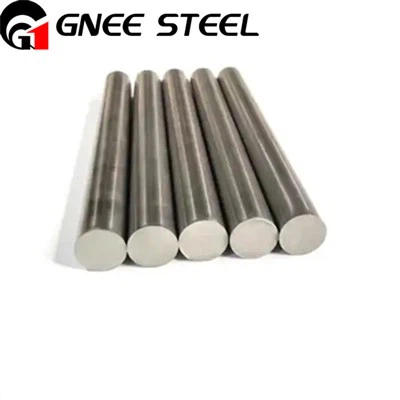
Hey there! As a Hastelloy Alloy supplier, I often get asked about the temperature resistance of Hastelloy Alloy. So, I thought I'd take a moment to break it down for you all.
First off, let's talk a bit about what Hastelloy Alloy is. It's a group of nickel - based superalloys that are well - known for their excellent corrosion resistance, high strength, and, of course, their ability to withstand extreme temperatures. These alloys are used in a wide range of industries, from chemical processing to aerospace, where harsh conditions are the norm.
One of the key factors that make Hastelloy Alloy so special is its temperature resistance. Different types of Hastelloy Alloy have different temperature ranges they can handle, and understanding these can really help you choose the right one for your specific application.
Let's start with the C - series, like the C - 276 C22 Hastelloy Alloy Pipe. C - 276 is a very popular choice. It can handle continuous use at temperatures up to about 1900°F (1038°C). This makes it great for applications where it might be exposed to high - temperature corrosive environments, like in chemical reactors or flue gas desulfurization systems. The high nickel and molybdenum content in C - 276 gives it that awesome resistance to both oxidation and corrosion at elevated temperatures.
The C - 22 alloy, on the other hand, also has excellent temperature resistance. It can operate in a wide range of temperatures, from cryogenic conditions all the way up to around 1800°F (982°C). It's a bit more versatile in terms of corrosion resistance, being able to withstand a variety of acids and other corrosive agents even at high temperatures. This makes it a top pick for applications in the pharmaceutical and food processing industries, where both temperature and cleanliness are crucial.
Now, let's move on to the B - series, such as the B B - 3 Hastelloy Metal Pipe. The B - 2 and B - 3 alloys are mainly used for their resistance to hydrochloric acid at various concentrations and temperatures. B - 3 can handle temperatures up to about 1500°F (816°C). These alloys are designed to work in highly reducing environments, where the presence of acids and high temperatures can quickly degrade other materials. In the chemical industry, especially in processes involving the production of fertilizers or certain plastics, B - series alloys are often the go - to choice because of their ability to resist corrosion at elevated temperatures.
The G - series, like the Hastelloy G30 Sheet, is another interesting one. The G30 alloy can withstand temperatures up to around 1800°F (982°C). It has a unique composition that gives it good resistance to both oxidizing and reducing acids at high temperatures. This makes it suitable for applications in the power generation industry, particularly in systems that handle phosphoric acid or other aggressive chemicals at elevated temperatures.
So, why does temperature resistance matter so much when it comes to Hastelloy Alloy? Well, in many industrial applications, materials are exposed to extreme heat. If a material can't handle the temperature, it can start to degrade. This degradation can lead to a loss of strength, which can cause parts to fail. In a chemical plant, for example, a pipe made of a material that can't handle the high temperatures and corrosive chemicals could burst, leading to leaks and potentially dangerous situations.
Also, high - temperature resistance means that the material can maintain its properties over a long period. This reduces the need for frequent replacements, which can save a lot of money in the long run. You won't have to shut down your production line as often to replace damaged parts, which means more productivity and less downtime.
When you're choosing a Hastelloy Alloy for your project, you need to consider a few things. First, what's the maximum temperature the material will be exposed to? You want to make sure the alloy you choose can handle that temperature without significant degradation. Second, think about the type of environment it will be in. Is it a highly oxidizing or reducing environment? Different alloys are better suited to different types of corrosion.
Another important factor is the mechanical properties. At high temperatures, some materials might lose their strength or become more brittle. Hastelloy Alloys are designed to maintain their mechanical properties even at high temperatures, but it's still something you should keep in mind.
In conclusion, the temperature resistance of Hastelloy Alloy is one of its most important features. Whether you're in the chemical, aerospace, or power generation industry, having a material that can withstand extreme temperatures and corrosive environments is crucial. And as a supplier, I can help you choose the right Hastelloy Alloy for your specific needs.


If you're interested in learning more about our Hastelloy Alloy products or have any questions about temperature resistance and which alloy is right for you, don't hesitate to reach out. We're here to assist you in making the best choice for your project. Let's have a chat and see how we can work together to meet your requirements.
References
- "Nickel - Based Alloys Handbook"
- Industry reports on high - temperature materials in chemical processing
- Technical data sheets from Hastelloy Alloy manufacturers