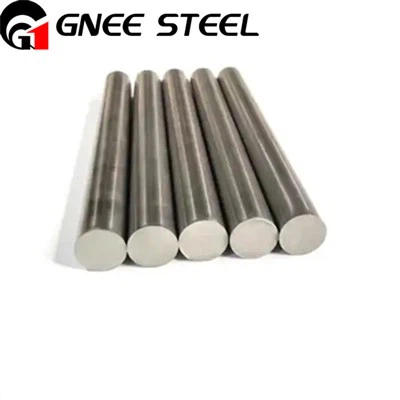
Hey there! I'm a supplier of C12000 Copper Pipe, and today I wanna share some tips on how to cut C12000 copper pipe. Whether you're a DIY enthusiast or a professional plumber, these methods will come in handy.
Why C12000 Copper Pipe?
Before we dive into the cutting part, let me briefly tell you about C12000 copper pipe. C12000 is a phosphorus - deoxidized copper with good corrosion resistance, excellent thermal conductivity, and high ductility. It's widely used in plumbing, HVAC systems, and electrical applications. If you're interested in learning more about it, check out C12000 Copper Pipe.
Tools You'll Need
To cut C12000 copper pipe, you'll need the right tools. Here are some common ones:
- Hacksaw: A basic and affordable option. It's suitable for small - scale projects and cutting thin - walled copper pipes. Make sure to use a fine - tooth blade for a cleaner cut.
- Tube Cutter: This is a specialized tool for cutting pipes. It has a sharp wheel that scores the pipe and then cuts through it by rotating around the pipe. Tube cutters are great for making precise cuts and are available in different sizes to fit various pipe diameters.
- Power Saw: For larger projects or when you need to cut thick - walled copper pipes quickly, a power saw like a reciprocating saw or a circular saw can be used. Just make sure to use a blade designed for cutting metal.
Cutting Methods
Using a Hacksaw
- Mark the Pipe: Use a measuring tape and a marker to mark the point where you want to cut the pipe. Make sure the mark is clear and straight.
- Secure the Pipe: Place the pipe in a vise or clamp it firmly to a workbench to prevent it from moving while you're cutting.
- Start Cutting: Position the hacksaw blade at the marked point and start sawing slowly. Apply gentle pressure and keep the saw blade perpendicular to the pipe. Let the saw do the work, and don't force it too hard. Use long, smooth strokes and keep the blade in line with the mark.
- Finish the Cut: Once you've cut through most of the pipe, the remaining part may break off. Be careful not to damage the cut end. You can use a file to smooth the edges if needed.
Using a Tube Cutter
- Select the Right Size: Choose a tube cutter that fits the diameter of your C12000 copper pipe.
- Position the Cutter: Place the tube cutter around the pipe at the marked cutting point. Make sure the cutter's wheel is aligned with the mark.
- Tighten the Cutter: Turn the tightening knob on the tube cutter to apply pressure to the pipe. The wheel will score the pipe.
- Rotate the Cutter: Rotate the tube cutter around the pipe, tightening the knob a little more with each rotation. Keep rotating until the pipe is completely cut through.
- Deburr the Pipe: After cutting, use a deburring tool or a file to remove any burrs or sharp edges from the cut end of the pipe.
Using a Power Saw
- Choose the Right Blade: Select a blade suitable for cutting metal. A carbide - tipped blade or a diamond - edged blade will work well.
- Mark and Secure the Pipe: Just like with the other methods, mark the cutting point on the pipe and secure it firmly.
- Cut the Pipe: Put on safety goggles and gloves. Start the power saw and carefully guide it along the marked line. Move the saw steadily and evenly.
- Finish and Clean: Once the cut is made, turn off the saw and let it stop completely. Use a file or a deburring tool to clean up the cut end.
Safety Precautions
Cutting copper pipes can be dangerous, so it's important to take some safety precautions:
- Wear Protective Gear: Always wear safety goggles to protect your eyes from flying debris, gloves to protect your hands from sharp edges, and ear protection if you're using a power saw.
- Work in a Well - Ventilated Area: If you're using a power saw, there may be metal dust or fumes. Make sure the area is well - ventilated to avoid inhaling these particles.
- Keep the Work Area Clean: Remove any clutter from the workbench or the area where you're cutting the pipe to prevent accidents.
Other Considerations
-
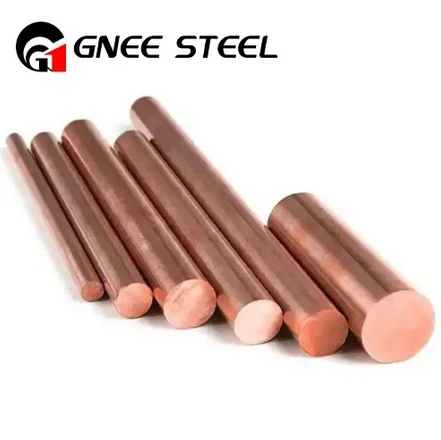
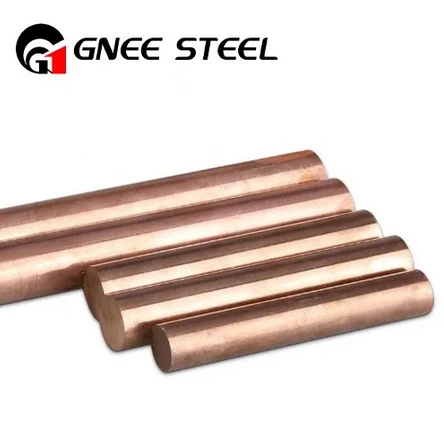
Pipe Thickness: Thicker pipes may require more powerful tools and more effort to cut. For example, a thick - walled C12000 copper pipe may be difficult to cut with a hacksaw and may need a power saw instead.
-
Pipe Bending: If you need to bend the pipe after cutting, make sure to leave some extra length to account for the bending process.
-
Joining the Pipes: After cutting the pipes, you'll need to join them together. There are different methods for joining copper pipes, such as soldering, brazing, or using compression fittings. Make sure you choose the right method for your project.
Related Products
If you're also interested in other copper products, we also supply Copper Alloy Round Steel Pipe and C17510 Nickel Copper Bar. These products have their own unique properties and applications, and they may be useful for your next project.
Contact for Purchase
If you're looking to buy C12000 copper pipes or other copper products, don't hesitate to reach out. We offer high - quality products at competitive prices. Whether you're a contractor, a DIYer, or a business owner, we can meet your needs. Just contact us for more information and to start the purchasing process.
References
- "Handbook of Copper and Copper Alloys"
- "Plumbing Handbook"
So there you have it! Now you know how to cut C12000 copper pipes. With the right tools, methods, and safety precautions, you can make clean and precise cuts for your projects. If you have any questions or need more advice, feel free to ask.