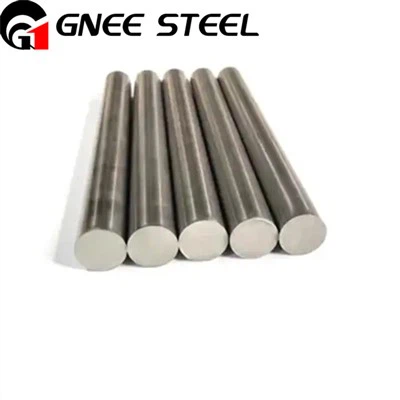
As a supplier of 7075 aluminum alloy, I've encountered numerous inquiries about the welding techniques for this high - strength alloy. 7075 aluminum alloy is renowned for its excellent strength - to - weight ratio, making it a popular choice in aerospace, automotive, and high - performance sporting goods industries. However, welding 7075 aluminum alloy presents unique challenges due to its chemical composition and metallurgical properties. In this blog, I'll explore the various welding techniques suitable for 7075 aluminum alloy.
1. Tungsten Inert Gas (TIG) Welding
TIG welding, also known as Gas Tungsten Arc Welding (GTAW), is a widely used method for welding 7075 aluminum alloy. This process uses a non - consumable tungsten electrode to produce the weld. An inert gas, typically argon or a mixture of argon and helium, is used to shield the weld area from atmospheric contamination.
One of the main advantages of TIG welding is the precise control it offers. The welder can accurately control the heat input, which is crucial when working with 7075 aluminum alloy. Since 7075 is prone to cracking due to its high magnesium and zinc content, precise heat control helps minimize the risk of hot cracking. The arc is also very stable, resulting in high - quality welds with excellent appearance.
However, TIG welding has its limitations. It is a relatively slow process, which can increase production time and cost. Additionally, it requires a high level of skill from the welder. A skilled TIG welder needs to have good hand - eye coordination to maintain a consistent arc length and filler metal feed.
2. Metal Inert Gas (MIG) Welding
Metal Inert Gas (MIG) welding, or Gas Metal Arc Welding (GMAW), is another option for welding 7075 aluminum alloy. In MIG welding, a consumable wire electrode is fed continuously through a welding gun. Similar to TIG welding, an inert gas is used to shield the weld from the atmosphere.
MIG welding is generally faster than TIG welding, which can be an advantage in high - volume production. It also requires less skill compared to TIG welding, making it more accessible for less experienced welders. The continuous wire feed allows for a more automated process, which can improve productivity.
But MIG welding also has some drawbacks when it comes to 7075 aluminum alloy. It can be more difficult to control the heat input precisely, which may lead to an increased risk of cracking. The weld quality may also be slightly lower compared to TIG welding, especially in terms of appearance and porosity.
3. Friction Stir Welding (FSW)
Friction Stir Welding is a relatively new welding technique that has shown great promise for welding 7075 aluminum alloy. In FSW, a non - consumable rotating tool is plunged into the joint between two workpieces and traversed along the joint line. The friction between the tool and the workpiece generates heat, which softens the material without melting it. The softened material is then forged together by the mechanical action of the tool.
One of the significant advantages of FSW is that it produces high - quality welds with excellent mechanical properties. Since the material is not melted, there is no risk of hot cracking, which is a major issue with traditional fusion welding methods. FSW also results in low distortion, which is important for applications where dimensional accuracy is critical.
However, FSW requires specialized equipment and tooling, which can be expensive. The process is also limited to linear or simple - shaped joints, and it may not be suitable for complex geometries.
4. Laser Welding
Laser welding uses a high - energy laser beam to melt and join the metal. It offers several advantages for welding 7075 aluminum alloy. The laser beam can be focused precisely, allowing for very narrow and deep welds. This results in minimal heat - affected zones, which helps reduce the risk of cracking and distortion.
Laser welding is a fast process, which can improve productivity. It can also be easily automated, making it suitable for mass production. Moreover, it can be used to weld thin sheets of 7075 aluminum alloy with high precision.
On the other hand, laser welding equipment is very expensive, and it requires a high level of technical expertise to operate. The process is also sensitive to surface contaminants, so the workpieces need to be thoroughly cleaned before welding.
Comparison of Welding Techniques
| Welding Technique | Advantages | Disadvantages |
|---|---|---|
| TIG Welding | Precise heat control, high - quality welds, good appearance | Slow process, high skill requirement |
| MIG Welding | Faster than TIG, less skill - intensive, suitable for automation | Difficult to control heat precisely, lower weld quality |
| Friction Stir Welding | No hot cracking, low distortion, high - quality welds | Expensive equipment, limited to simple joints |
| Laser Welding | Narrow and deep welds, minimal heat - affected zone, fast process | Expensive equipment, sensitive to surface contaminants |
Considerations for Welding 7075 Aluminum Alloy
Before welding 7075 aluminum alloy, it is essential to prepare the workpieces properly. The surface should be cleaned thoroughly to remove any oil, grease, or oxide layer. This can be done using solvents and mechanical cleaning methods.
The choice of filler metal is also crucial. For 7075 aluminum alloy, filler metals with similar chemical compositions are often used to ensure good compatibility and mechanical properties.
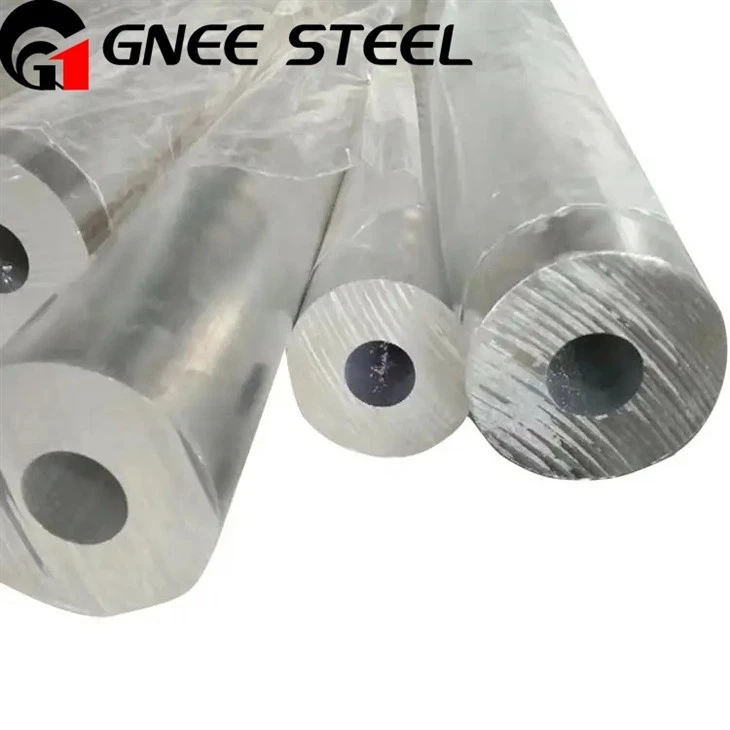

In addition, pre - heating and post - welding heat treatment may be required to reduce the risk of cracking and improve the overall performance of the weld.
Applications of Welded 7075 Aluminum Alloy
Welded 7075 aluminum alloy is used in a wide range of applications. In the aerospace industry, it is used to manufacture aircraft components such as wings, fuselages, and landing gear. The high strength and lightweight properties of 7075 make it an ideal choice for these critical applications.
In the automotive industry, welded 7075 aluminum alloy is used in high - performance vehicles to reduce weight and improve fuel efficiency. It can be found in parts such as engine blocks, suspension components, and body panels.
In the sporting goods industry, 7075 aluminum alloy is used to make items like bicycle frames, golf clubs, and tennis rackets. The welded joints need to be strong and reliable to withstand the high stresses during use.
Related Aluminum Alloys
If you are also interested in other aluminum alloys, you can check out Aluminum Alloy 3004 and Aluminum Alloy 3003. These alloys have different properties and are suitable for various applications. For those in need of tubes, 6061 Aluminium Tube is a popular choice.
Conclusion
Welding 7075 aluminum alloy requires careful consideration of the welding technique, workpiece preparation, and filler metal selection. Each welding technique has its own advantages and disadvantages, and the choice depends on factors such as the application, production volume, and quality requirements.
As a 7075 aluminum alloy supplier, I am committed to providing high - quality materials and technical support to our customers. If you have any questions about welding 7075 aluminum alloy or are interested in purchasing our products, please feel free to contact us for further discussion and negotiation. We look forward to working with you to meet your specific needs.
References
- Davis, J. R. (Ed.). (2001). Aluminum and Aluminum Alloys. ASM International.
- Welding Handbook Committee. (2007). Welding Handbook, Volume 2: Welding Processes. American Welding Society.
- Thomas, W. M., Nicholas, E. D., Needham, J. C., Murch, M. G., Temple - Smith, P., & Dawes, C. J. (1991). Friction stir butt welding. International Patent Application WO 93/10935.