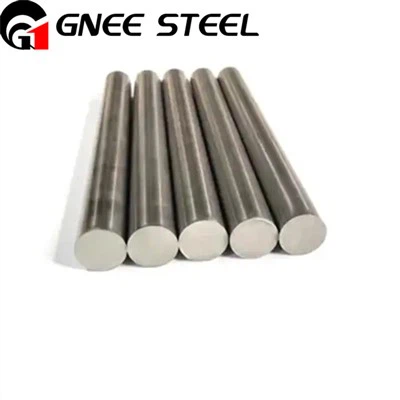
Hey there! I'm a supplier of titanium alloys, and I've been in this business for quite a while. Today, I wanna chat about how titanium alloys can have a big impact on the efficiency of power generation equipment.
First off, let's talk about what makes titanium alloys so special. Titanium alloys are a mix of titanium with other elements like aluminum, vanadium, or molybdenum. This combination gives them some amazing properties. They're super strong, yet lightweight. They also have excellent corrosion resistance, which is a huge plus in power generation settings where equipment is often exposed to harsh environments.
In power generation, efficiency is key. It's all about getting the most power out while using the least amount of fuel or energy source. That's where titanium alloys come in.
In Steam Turbines
Steam turbines are a major part of many power generation plants, especially in coal - fired, nuclear, and some natural gas - fired power plants. The blades in steam turbines are constantly under high stress, high temperature, and in contact with steam that can be corrosive.
Titanium alloys are perfect for turbine blades. Their high strength - to - weight ratio means that the blades can be made lighter. Lighter blades reduce the inertia of the turbine, which in turn allows the turbine to start up and shut down more quickly. This is really important for power plants that need to respond to changes in electricity demand. For example, during peak hours, a power plant with titanium - alloy turbine blades can ramp up production faster.
Also, the corrosion resistance of titanium alloys ensures that the blades last longer. Corroded blades can cause imbalances in the turbine, leading to reduced efficiency and even mechanical failures. With titanium alloys, the blades maintain their shape and performance over time, which keeps the turbine running at optimal efficiency. You can check out ASTM B348 Gr2 Gr4 TC5 Titanium Bars which can be used in the manufacturing of such turbine components.
In Hydroelectric Power Plants
Hydroelectric power plants use the energy of flowing water to generate electricity. The equipment in these plants, such as water turbines and penstocks, are exposed to water and various contaminants in the water.
Titanium alloys are great for water turbine components. The corrosion resistance of titanium alloys protects the turbine parts from the erosive and corrosive effects of water. This is crucial because any damage to the turbine can reduce its efficiency. For instance, if the turbine blades get pitted due to corrosion, the water flow around them is disrupted, and less energy is transferred from the water to the turbine.
In penstocks, which are large pipes that carry water to the turbines, titanium alloy pipes like Titanium Alloy Pipes Gr3 Gr4 Gr5 can be used. These pipes have a smooth interior surface, which reduces friction. Less friction means that water can flow more freely through the penstock, delivering more energy to the turbine and increasing the overall efficiency of the hydroelectric power plant.
In Gas Turbines
Gas turbines are widely used in power generation, especially in combined - cycle power plants where they work in tandem with steam turbines to maximize efficiency.
The hot sections of gas turbines, such as the combustion chambers and turbine blades, operate at extremely high temperatures. Titanium alloys can withstand these high temperatures to a certain extent. Their high - temperature strength allows the turbine to operate at higher temperatures, which is directly related to higher efficiency. According to the laws of thermodynamics, the efficiency of a heat engine (like a gas turbine) increases with an increase in the temperature difference between the heat source and the heat sink.


Moreover, the low density of titanium alloys reduces the weight of the overall turbine. This not only makes the turbine easier to install and maintain but also reduces the power required to rotate the turbine. You can consider using Titanium ASTM B348 Gr9 Rod in the manufacturing of some gas turbine components.
In Solar Power Generation
Solar power is becoming more and more popular, and there are different types of solar power generation systems, such as concentrated solar power (CSP) plants.
In CSP plants, mirrors or lenses are used to concentrate sunlight onto a receiver. The receiver then heats a fluid, which is used to generate steam and drive a turbine. The receiver is exposed to high - intensity sunlight and high temperatures. Titanium alloys can be used in the construction of the receiver due to their high - temperature resistance and corrosion resistance.
The use of titanium alloys in the receiver ensures that it can operate efficiently for a long time. A well - functioning receiver can transfer more heat to the fluid, which in turn leads to more steam production and higher electricity generation efficiency.
Cost - Efficiency
Now, you might be thinking that titanium alloys are expensive. While it's true that the initial cost of titanium alloys is higher compared to some other materials, they offer long - term cost - efficiency.
As we've seen, titanium alloys increase the lifespan of power generation equipment. This means fewer replacements and less downtime for maintenance. In the long run, the cost savings from reduced maintenance and replacement costs can outweigh the higher initial investment. Also, the increased efficiency of the power generation equipment leads to more electricity production for the same amount of fuel or energy source, which translates into more revenue for power plant operators.
If you're in the power generation industry and are looking to improve the efficiency of your equipment, I'd highly recommend considering titanium alloys. Whether it's for new equipment construction or upgrading existing ones, titanium alloys can make a significant difference. If you have any questions or are interested in a purchase, feel free to reach out and we can have a chat about your specific needs.
References
- ASM Handbook Committee. "ASM Handbook Volume 2: Properties and Selection: Nonferrous Alloys and Special - Purpose Materials." ASM International, 2001.
- Cengel, Y. A., & Boles, M. A. "Thermodynamics: An Engineering Approach." McGraw - Hill Education, 2015.