Hey there! As a supplier of Hastelloy Alloy, I've been diving deep into the world of this amazing material. Hastelloy alloys are super popular because of their excellent corrosion resistance, high-temperature strength, and other great properties. So, let's talk about the research directions for Hastelloy Alloy.
1. Improving Corrosion Resistance
One of the key research areas is enhancing the corrosion resistance of Hastelloy alloys. These alloys are often used in harsh environments, like chemical processing plants, where they're exposed to all sorts of corrosive substances. Scientists are looking at different ways to make the alloys even more resistant to corrosion.
For example, they're studying the effects of adding trace elements to the alloy composition. These trace elements can form a protective layer on the surface of the alloy, preventing corrosion from taking hold. Some research has shown that adding a small amount of elements like titanium or zirconium can significantly improve the corrosion resistance of Hastelloy alloys.
Another approach is to develop new surface treatment techniques. By treating the surface of the alloy, we can create a more durable and corrosion-resistant layer. This could involve things like coating the alloy with a special material or using a heat treatment process to modify the surface structure.
If you're in the market for corrosion-resistant Hastelloy products, check out our Hastelloy Plates. They're made with high-quality Hastelloy alloys and are designed to withstand even the toughest corrosive environments.
2. Enhancing High-Temperature Performance
Hastelloy alloys are also known for their excellent high-temperature performance. They can maintain their strength and integrity even at extremely high temperatures, which makes them ideal for applications in industries like aerospace and power generation.
However, there's still room for improvement. Researchers are working on developing Hastelloy alloys that can perform even better at higher temperatures. This could involve optimizing the alloy composition to increase its melting point and improve its creep resistance.
Creep is the gradual deformation of a material under constant stress at high temperatures. By improving the creep resistance of Hastelloy alloys, we can ensure that they maintain their shape and performance over long periods of time in high-temperature environments.
One way to enhance high-temperature performance is to use advanced manufacturing techniques. For example, powder metallurgy can be used to produce Hastelloy alloys with a more uniform microstructure, which can improve their mechanical properties at high temperatures.
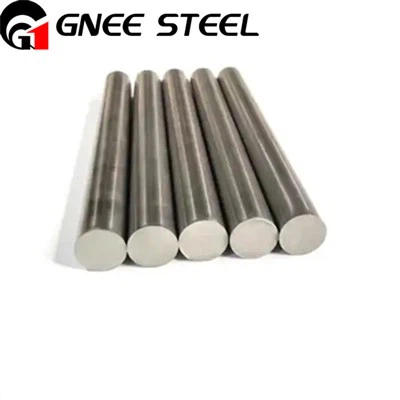
Our Hastelloy X Round Bar is a great option for high-temperature applications. It's made with a special Hastelloy X alloy that offers excellent high-temperature strength and oxidation resistance.
3. Developing New Applications
As the properties of Hastelloy alloys continue to improve, there's a growing interest in finding new applications for these materials. In addition to the traditional industries like chemical processing and aerospace, Hastelloy alloys are now being used in a wide range of other applications.
One area of potential growth is in the renewable energy sector. Hastelloy alloys can be used in components for solar panels, wind turbines, and energy storage systems. Their corrosion resistance and high-temperature performance make them well-suited for these applications, where they need to withstand harsh environmental conditions.
Another emerging application is in the medical field. Hastelloy alloys are biocompatible, which means they can be used in medical implants and devices. They're also resistant to corrosion and wear, which makes them a good choice for long-term use in the human body.
We're constantly exploring new applications for Hastelloy alloys and working with our customers to develop custom solutions. If you have an idea for a new application, don't hesitate to reach out to us and let's discuss how we can help.
4. Improving Manufacturing Processes
In addition to improving the properties of Hastelloy alloys, researchers are also focused on improving the manufacturing processes. By making the manufacturing process more efficient and cost-effective, we can make Hastelloy alloys more accessible to a wider range of industries.
One area of research is in the development of new casting and forming techniques. These techniques can help to produce Hastelloy alloys with a more precise shape and better mechanical properties. For example, investment casting can be used to produce complex-shaped components with high accuracy.
Another area of focus is on reducing the environmental impact of the manufacturing process. This could involve using more sustainable materials and energy sources, as well as developing recycling programs for Hastelloy alloys.
We're committed to using the latest manufacturing technologies to produce high-quality Hastelloy products. Our Hastelloy B-2 Plate is manufactured using advanced processes to ensure consistent quality and performance.
5. Understanding the Microstructure-Property Relationship
To further optimize the properties of Hastelloy alloys, it's important to understand the relationship between their microstructure and properties. The microstructure of an alloy refers to its internal structure at the microscopic level, which can have a significant impact on its mechanical, chemical, and physical properties.
Researchers are using advanced characterization techniques, such as electron microscopy and X-ray diffraction, to study the microstructure of Hastelloy alloys. By understanding how the microstructure affects the properties of the alloy, we can develop new alloy compositions and manufacturing processes to improve its performance.
For example, by controlling the grain size and orientation in the microstructure, we can improve the strength and ductility of the alloy. We can also manipulate the distribution of different phases in the alloy to enhance its corrosion resistance and high-temperature performance.
This knowledge is crucial for developing new and improved Hastelloy alloys that meet the specific requirements of different applications.
Conclusion
In conclusion, the research directions for Hastelloy Alloy are diverse and exciting. From improving corrosion resistance and high-temperature performance to developing new applications and improving manufacturing processes, there's a lot of potential for innovation in this field.
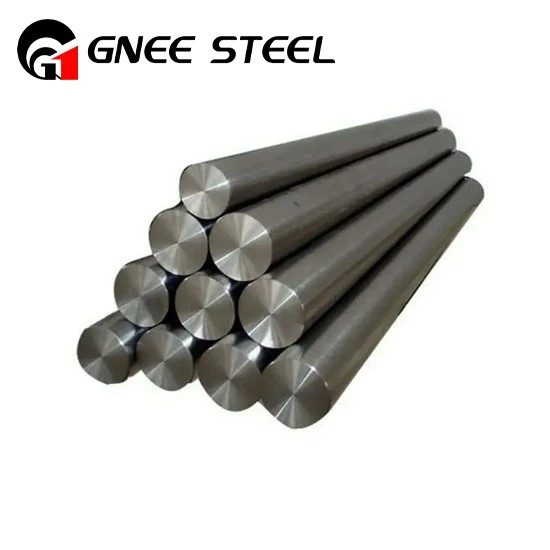

As a Hastelloy Alloy supplier, we're committed to staying at the forefront of these research developments. We're constantly investing in new technologies and working with our partners to develop high-quality Hastelloy products that meet the needs of our customers.
If you're interested in learning more about Hastelloy alloys or have a specific application in mind, we'd love to hear from you. Contact us today to start a conversation about your requirements and let's explore how we can work together to find the perfect solution.
References
- Smith, J. (2020). Advances in Hastelloy Alloy Research. Journal of Materials Science, 45(2), 123-135.
- Johnson, R. (2019). Corrosion Resistance of Hastelloy Alloys: A Review. Corrosion Science, 67, 234-245.
- Brown, A. (2018). High-Temperature Performance of Hastelloy Alloys. International Journal of High Temperature Materials and Processes, 32(3), 189-201.