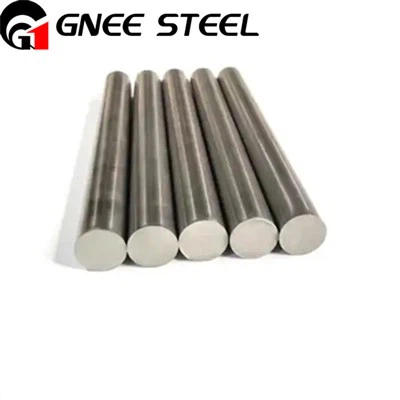
Forging is a manufacturing process where metal is shaped by applying compressive forces, often with the use of dies. Aluminum alloys are widely used in forging due to their excellent properties. As an aluminum alloys supplier, I have in - depth knowledge of these properties and would like to share them in this blog.
1. Low Density and High Strength - to - Weight Ratio
One of the most significant forging properties of aluminum alloys is their low density. Aluminum has a density of about 2.7 g/cm³, which is approximately one - third that of steel. This low density makes aluminum alloys ideal for applications where weight reduction is crucial, such as in the aerospace and automotive industries.
When forged, aluminum alloys can achieve high strength - to - weight ratios. For example, 7075 Aluminum Alloy is known for its high strength, comparable to some steels, but with a much lower weight. This alloy contains zinc as the primary alloying element, along with magnesium and copper. After forging and proper heat treatment, 7075 aluminum alloy can be used in critical components like aircraft wings and automotive suspension parts.


The high strength - to - weight ratio also allows for the design of more efficient structures. For instance, in the construction of lightweight vehicles, forged aluminum alloy parts can reduce the overall weight of the vehicle, leading to improved fuel efficiency and performance.
2. Good Ductility
Ductility is the ability of a material to deform plastically without fracturing. Aluminum alloys generally have good ductility, which is essential for the forging process. During forging, the metal needs to be able to flow and fill the die cavities to form the desired shape.
Aluminum Alloy 2024 is a prime example of an aluminum alloy with excellent ductility. It contains copper as the main alloying element, along with magnesium and manganese. In the annealed state, 2024 aluminum alloy can be easily forged into complex shapes. This alloy is commonly used in aircraft structures, where it can be forged into various components such as fuselage frames and wing spars.
The good ductility of aluminum alloys also means that they can withstand significant deformation during forging operations. This reduces the risk of cracking and other defects in the forged parts, resulting in higher - quality products.
3. High Thermal Conductivity
Aluminum alloys have high thermal conductivity, which is beneficial during the forging process. During forging, heat is generated due to the deformation of the metal. High thermal conductivity allows the heat to be dissipated quickly, preventing overheating of the material.
This property is particularly important in hot forging, where the aluminum alloy is heated to a high temperature to increase its ductility. The ability to conduct heat efficiently helps to maintain a more uniform temperature distribution within the workpiece. This, in turn, ensures consistent deformation and reduces the likelihood of thermal stresses that could lead to cracking or other defects.
In addition, the high thermal conductivity of aluminum alloys can also be an advantage in the final applications of the forged parts. For example, in heat - exchanger applications, forged aluminum alloy components can transfer heat more effectively, improving the overall efficiency of the system.
4. Corrosion Resistance
Corrosion resistance is another important forging property of aluminum alloys. Aluminum forms a thin, protective oxide layer on its surface when exposed to air. This oxide layer acts as a barrier, preventing further oxidation and corrosion of the metal.
Some aluminum alloys, such as those with added elements like magnesium and silicon, have enhanced corrosion resistance. Forged aluminum alloy parts can be used in various environments, including marine and industrial settings, without significant corrosion issues. This reduces the need for additional protective coatings and maintenance, saving both time and cost.
For example, in the marine industry, forged aluminum alloy components are used in boat hulls, fittings, and other parts. The corrosion resistance of these alloys ensures the longevity and reliability of the equipment in the harsh salt - water environment.
5. Machinability
Aluminum alloys generally have good machinability, which is an important consideration after the forging process. Once the part is forged, it may need to be machined to achieve the final dimensions and surface finish.
The good machinability of aluminum alloys means that they can be easily cut, drilled, and milled. This reduces the machining time and cost compared to some other metals. For example, in the production of precision parts, such as those used in the electronics industry, forged aluminum alloy blanks can be machined quickly and accurately to create the desired components.
6. Weldability
Many aluminum alloys are weldable, which is an advantage for the assembly of forged parts. Welding allows for the joining of different forged components to create larger structures.
The weldability of aluminum alloys depends on the specific alloy composition. Some alloys, such as 6061 aluminum alloy, are known for their good weldability. After forging, these alloys can be welded using various welding techniques, such as TIG (Tungsten Inert Gas) welding and MIG (Metal Inert Gas) welding.
In the manufacturing of large - scale structures, such as bridges and industrial equipment, the ability to weld forged aluminum alloy parts together provides flexibility in design and construction.
7. Customizability
As an aluminum alloys supplier, I can offer customized solutions to meet the specific needs of different customers. We can provide Customized Solid Aluminum Bar with different alloy compositions, sizes, and shapes.
Customers can choose the alloy based on the required forging properties. For example, if high strength is the primary requirement, we can recommend alloys like 7075. If good corrosion resistance is needed, we can suggest alloys with appropriate alloying elements.
We also have the capability to produce forged aluminum alloy parts with complex geometries. Our advanced forging technology and experienced engineers can ensure that the customized parts meet the highest quality standards.
Conclusion
In conclusion, aluminum alloys have a wide range of excellent forging properties, including low density, high strength - to - weight ratio, good ductility, high thermal conductivity, corrosion resistance, machinability, weldability, and customizability. These properties make them suitable for a variety of applications in different industries, from aerospace and automotive to construction and electronics.
If you are in need of high - quality forged aluminum alloy products or have specific requirements for aluminum alloys, I invite you to contact us for procurement and negotiation. We are committed to providing you with the best - quality products and services.
References
- Davis, J. R. (Ed.). (2001). Aluminum and Aluminum Alloys. ASM International.
- Totten, G. E., & Mackenzie, D. E. (2003). Handbook of Aluminum: Physical Metallurgy and Processes. CRC Press.
- Metals Handbook: Forging (Vol. 14). (1988). ASM International.