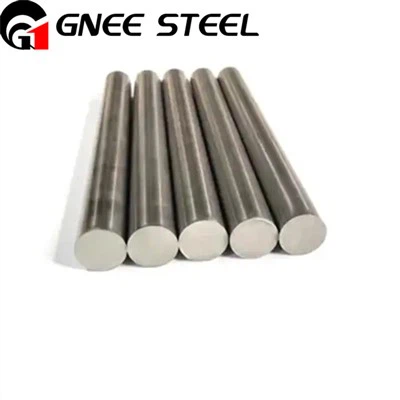
Hey there! I'm a supplier of niobium alloys, and I've seen firsthand how different environmental conditions can really mess with the performance of these alloys. So, let's dive into what those environmental factors are and how they impact niobium alloy performance.
Temperature
Temperature is one of the most significant environmental factors that can affect niobium alloy performance. Niobium alloys are known for their high - temperature resistance, but extreme temperatures can still pose challenges.
At high temperatures, niobium alloys can experience changes in their mechanical properties. For instance, as the temperature rises, the strength of the alloy may start to decrease. This is because the atomic structure of the alloy becomes more mobile at high temperatures. The atoms can move more freely, which can lead to creep deformation. Creep is a slow, continuous deformation that occurs under a constant load at high temperatures.
On the other hand, at low temperatures, niobium alloys can become brittle. The ductility of the alloy reduces, and it's more likely to fracture under stress. For example, in cryogenic applications, where temperatures can drop to extremely low levels, the risk of brittle fracture needs to be carefully considered. Our Fs - 85 Niobium Alloy is designed to have a good balance of properties at a wide range of temperatures, but it's still crucial to understand how temperature can impact its performance.
Oxidation
Oxidation is another major environmental condition that affects niobium alloy performance. Niobium is a reactive metal, and when exposed to oxygen in the air, it forms an oxide layer on its surface. At room temperature, this oxide layer is relatively thin and can act as a protective barrier to some extent.
However, at high temperatures, the oxidation process accelerates. The oxide layer can grow thicker, and it may start to spall off. This spalling can expose fresh metal to the environment, leading to further oxidation. The oxidation of niobium alloys can cause a loss of material, which can affect the dimensions and mechanical properties of the alloy.
For example, in high - temperature aerospace applications, where niobium alloys are used in engine components, oxidation can be a real concern. Our Fs - 85 Niobium Alloy Tube is engineered with some oxidation - resistant features, but proper coatings and environmental controls may still be necessary to prevent excessive oxidation.
Corrosion
Corrosion is not just about rusting like we see with iron. In the case of niobium alloys, different types of corrosion can occur depending on the environment.
In acidic environments, niobium alloys can react with acids. The reaction rate depends on the type and concentration of the acid. Some strong acids can dissolve the niobium alloy over time, causing pitting corrosion. Pitting is a form of localized corrosion where small holes or pits form on the surface of the alloy.
In alkaline environments, similar corrosion processes can take place. The alloy may react with the hydroxide ions in the alkaline solution, leading to degradation of the material.


For instance, in chemical processing plants, where niobium alloy equipment may come into contact with various corrosive chemicals, choosing the right alloy and implementing corrosion - prevention measures are essential. Our Cb - 752 Niobium Alloy Tube has been tested in different corrosive environments to ensure it can withstand certain levels of corrosion, but again, proper maintenance and selection of the right alloy grade are crucial.
Radiation
In some specialized applications, such as nuclear power plants or space exploration, niobium alloys may be exposed to radiation. Radiation can cause changes in the atomic structure of the alloy.
Neutron radiation, for example, can displace atoms from their normal lattice positions. This can create defects in the crystal structure of the alloy, which can then affect its mechanical and physical properties. The defects can lead to hardening of the alloy, making it more brittle and less ductile.
Gamma radiation can also have an impact. It can cause ionization in the material, which can lead to chemical reactions and changes in the surface properties of the alloy.
When it comes to radiation - exposed applications, we need to carefully select and design niobium alloys to ensure they can maintain their performance over time.
Humidity
Humidity may seem like a minor factor, but it can still affect niobium alloy performance. High humidity levels can increase the rate of oxidation and corrosion. The moisture in the air can act as a medium for chemical reactions to occur more easily.
For example, in a coastal environment where the air is humid and also contains salt particles, the combination of humidity and salt can be particularly corrosive to niobium alloys. The salt can accelerate the corrosion process by providing ions that can participate in electrochemical reactions.
Even in indoor storage, if the humidity is not controlled, it can lead to surface degradation of the niobium alloy products over time.
Pressure
Pressure can also play a role in niobium alloy performance. In high - pressure applications, such as deep - sea exploration or high - pressure chemical reactors, the alloy needs to withstand the external pressure without deforming or failing.
High pressure can cause the atoms in the alloy to be compressed closer together. This can affect the crystal structure and the mechanical properties of the alloy. For example, it may increase the yield strength of the alloy, but it can also increase the risk of brittle fracture if the pressure is too high.
In low - pressure environments, such as in space, the lack of pressure can have its own effects. The absence of external pressure can lead to outgassing of volatile components in the alloy, which can cause surface contamination and affect the performance of the alloy in sensitive applications.
Impact on Applications
The environmental conditions we've discussed have a direct impact on how niobium alloys are used in different applications.
In aerospace, where high temperatures, oxidation, and radiation are common, niobium alloys need to be carefully selected and protected. The engines of aircraft operate at very high temperatures, and the components made of niobium alloys need to maintain their strength and integrity.
In the medical field, where corrosion resistance is crucial, niobium alloys are used in implants. The body is a complex environment with various chemicals and fluids, and the alloy needs to resist corrosion to ensure long - term performance and patient safety.
In the energy sector, whether it's nuclear power or renewable energy, different environmental conditions come into play. In nuclear power plants, radiation resistance is a top priority, while in solar energy applications, the alloy may need to withstand temperature variations and humidity.
How We Can Help
As a niobium alloy supplier, we understand these environmental challenges very well. We offer a range of niobium alloys, including the Fs - 85 Niobium Alloy and Cb - 752 Niobium Alloy Tube, that are designed to perform well in different environmental conditions.
We can work with you to select the right alloy for your specific application. Whether you're facing high - temperature oxidation, corrosion in a chemical plant, or radiation in a nuclear facility, we have the expertise to provide you with the best - suited niobium alloy products.
If you're interested in learning more about our niobium alloys or need help with your application, don't hesitate to reach out. We're here to have a chat and discuss how we can meet your requirements. Contact us to start the procurement process and let's work together to find the perfect niobium alloy solution for your project.
References
- Smith, J. (2018). "High - Temperature Materials and Their Applications". Wiley.
- Jones, A. (2020). "Corrosion of Metals and Alloys". Elsevier.
- Brown, C. (2019). "Radiation Effects on Materials". Springer.