Tungsten alloy is a remarkable material known for its exceptional properties, and one of the most critical aspects to understand is its melting point. As a trusted tungsten alloy supplier, I have encountered numerous inquiries regarding this topic. In this blog, I will delve into the melting point of tungsten alloy, exploring the factors that influence it and its significance in various applications.
Understanding Tungsten Alloy
Before we discuss the melting point, it's essential to understand what tungsten alloy is. Tungsten alloy is a combination of tungsten with other metals such as nickel, iron, copper, and cobalt. The addition of these elements modifies the properties of pure tungsten, making it more suitable for specific applications. Tungsten itself has the highest melting point of all metals, at approximately 3422°C (6192°F). However, the melting point of tungsten alloy varies depending on its composition.
Factors Influencing the Melting Point of Tungsten Alloy
The melting point of tungsten alloy is primarily determined by its chemical composition. Different alloying elements have different melting points and interact with tungsten in various ways. For instance, nickel and iron are commonly added to tungsten to improve its ductility and machinability. These elements have lower melting points than tungsten, which can lower the overall melting point of the alloy. On the other hand, adding elements with high melting points, such as rhenium, can increase the melting point of the alloy.
The proportion of each element in the alloy also plays a crucial role. A higher percentage of tungsten generally results in a higher melting point, as tungsten has the highest melting point among the elements commonly used in tungsten alloys. For example, a tungsten alloy with a high tungsten content of 90% or more will have a melting point closer to that of pure tungsten compared to an alloy with a lower tungsten content.
Melting Points of Common Tungsten Alloys
There are several types of tungsten alloys available in the market, each with its own unique melting point. Here are some common examples:
- Tungsten-Nickel-Iron (W-Ni-Fe) Alloys: These alloys are widely used in applications such as counterweights, radiation shielding, and sporting equipment. The melting point of W-Ni-Fe alloys typically ranges from 1650°C to 1750°C (3002°F to 3182°F), depending on the specific composition.
- Tungsten-Copper (W-Cu) Alloys: W-Cu alloys are known for their excellent thermal and electrical conductivity, making them suitable for applications in electronics, electrical contacts, and heat sinks. The melting point of W-Cu alloys varies depending on the copper content. For example, CuW 70 Tungsten Alloy, which contains 70% tungsten and 30% copper, has a melting point of around 1500°C (2732°F).
- Tungsten-Rhenium (W-Re) Alloys: W-Re alloys are used in high-temperature applications, such as aerospace components and electrical filaments. The addition of rhenium increases the strength and ductility of tungsten at high temperatures. The melting point of W-Re alloys can range from 3000°C to 3300°C (5432°F to 5972°F), depending on the rhenium content.
Significance of Melting Point in Applications
The melting point of tungsten alloy is a critical factor in many applications. In high-temperature environments, such as aerospace and power generation, materials with high melting points are required to withstand extreme heat without deforming or melting. Tungsten alloys with high melting points are ideal for these applications, as they can maintain their structural integrity and mechanical properties at elevated temperatures.


In the manufacturing process, the melting point of tungsten alloy determines the method of processing. For example, casting is a common method for producing tungsten alloy parts. The melting point of the alloy must be considered when selecting the appropriate casting equipment and process parameters. If the melting point is too high, it may require specialized equipment and techniques to melt and cast the alloy.
Our Tungsten Alloy Products
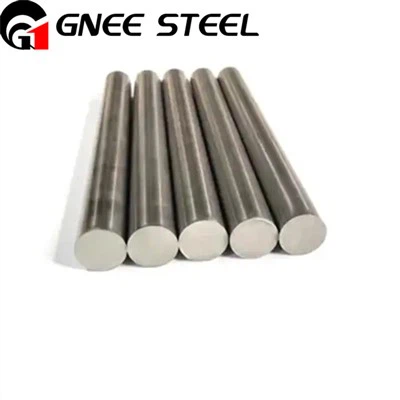
As a tungsten alloy supplier, we offer a wide range of high-quality tungsten alloy products to meet the diverse needs of our customers. Our products include ASTM B760 Tungsten Plate, CuW 70 Tungsten Alloy, and W75cu, W80cu Tungsten Copper Bar. We can also customize the composition and specifications of our products according to your specific requirements.
Contact Us for Procurement
If you are interested in purchasing tungsten alloy products or have any questions about our products, please feel free to contact us. Our team of experts will be happy to assist you in selecting the right product for your application and provide you with a competitive quote. We look forward to working with you and meeting your tungsten alloy needs.
References
- ASM Handbook, Volume 2: Properties and Selection: Nonferrous Alloys and Special-Purpose Materials, ASM International.
- Tungsten: Properties, Chemistry, Technology of the Element, Alloys, and Chemical Compounds, Edited by R. Kieffer and F. Benesovsky.