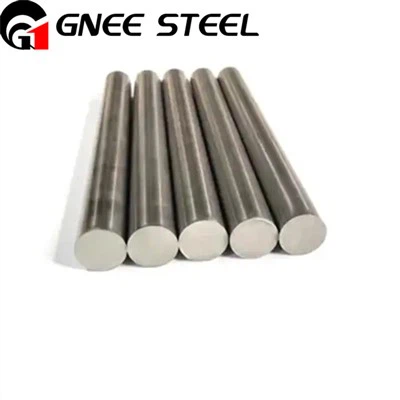
Hey there! As a supplier of C12000 copper pipes, I often get asked about how long these pipes can last. It's a super important question, especially for those looking to invest in plumbing or other systems that rely on these pipes. So, let's dig into what affects the lifespan of C12000 copper pipes.
First off, what is C12000 copper pipe? It's a type of deoxidized copper with a small amount of phosphorus. This phosphorus helps to remove oxygen from the copper during its production, which in turn makes the pipe more resistant to certain types of corrosion. And corrosion is one of the biggest factors that can cut short the life of a copper pipe.
Environmental Factors
The environment where the C12000 copper pipe is installed plays a huge role in its lifespan. If the pipe is in a place with high humidity, it's more likely to be exposed to moisture. Over time, this moisture can react with the copper and start the corrosion process. For example, in coastal areas where the air is salty, the salt can accelerate corrosion. The saltwater can cause pitting corrosion on the surface of the pipe, which weakens the pipe structure and can lead to leaks.
On the other hand, if the pipe is installed in a dry environment, it's going to have a much longer lifespan. Dry air doesn't provide the moisture needed for corrosion to occur as quickly. So, if you're installing C12000 copper pipes in a desert-like climate, you can expect them to last longer compared to a place near the ocean.
Water Quality
The quality of the water flowing through the C12000 copper pipe is another crucial factor. Water with a high level of acidity or alkalinity can be tough on the pipe. Acidic water can dissolve the copper over time, while alkaline water can form deposits on the inside of the pipe. These deposits can restrict the flow of water and also create areas where corrosion can start.
For instance, if the water has a low pH level (acidic), it might be due to the presence of certain chemicals in the water source. This acidic water can eat away at the copper, reducing the pipe's thickness and eventually causing it to fail. On the other hand, water with a high pH level (alkaline) can lead to the formation of scale inside the pipe. This scale can build up and cause blockages, which can put extra stress on the pipe and lead to premature failure.
Installation and Maintenance
How the C12000 copper pipe is installed also affects its lifespan. If the installation is done incorrectly, it can lead to problems down the road. For example, if the pipes are not properly supported, they can sag over time. This sagging can cause stress points in the pipe, which can lead to cracks. Also, if the joints are not sealed properly, water can leak out and cause corrosion around the joints.
Regular maintenance is also key to extending the lifespan of C12000 copper pipes. This includes checking for leaks, inspecting the pipes for signs of corrosion, and cleaning the pipes if necessary. By catching problems early, you can prevent them from getting worse and potentially save the pipes from failing prematurely.
Typical Lifespan
Under normal conditions, C12000 copper pipes can last anywhere from 50 to 100 years. That's a pretty long time! But as we've discussed, this lifespan can be affected by various factors. If the pipes are installed in a harsh environment with poor water quality and improper installation, they might only last 20 to 30 years. On the other hand, if they're installed in a favorable environment with good water quality and proper maintenance, they could easily last over 100 years.
Comparison with Other Copper Alloys
When it comes to copper pipes, there are other alloys out there too. For example, A C11000 Copper Alloy Pipe is another popular choice. C11000 is known as electrolytic tough pitch copper. It's pure copper with a small amount of oxygen. While it has good electrical and thermal conductivity, it's not as resistant to corrosion as C12000. So, in terms of lifespan, C12000 might outlast C11000 in environments where corrosion is a concern.


Another option is Copper Alloy Round Steel Pipe. These pipes combine the properties of copper and steel. They're often used in applications where high strength is required. However, they might have a different lifespan compared to C12000 copper pipes depending on the specific alloy and the environment they're in.
Related Products
We also offer Copper Nickel C71500 Flanges. These flanges are made from a copper-nickel alloy and are often used in conjunction with copper pipes. They provide a strong and reliable connection between pipes and other components in a system. The copper-nickel alloy in these flanges gives them good corrosion resistance, which is important for maintaining the integrity of the overall system.
Why Choose Our C12000 Copper Pipes
As a supplier, we take pride in offering high-quality C12000 copper pipes. Our pipes are made from the best materials and go through strict quality control processes. We ensure that each pipe meets the industry standards for performance and durability.
We also have a team of experts who can provide you with advice on installation and maintenance. Whether you're a DIY enthusiast or a professional contractor, we're here to help you get the most out of your C12000 copper pipes.
Contact Us for Purchase
If you're interested in purchasing C12000 copper pipes or any of our other related products, we'd love to hear from you. We can provide you with detailed information about our products, including pricing and availability. Just reach out to us, and we'll work with you to find the best solution for your needs.
References
- "Copper Pipe Handbook" - A comprehensive guide on copper pipes and their properties.
- "Corrosion of Metals in Water" - A research paper on how water quality affects metal corrosion.
- "Installation Best Practices for Copper Pipes" - A manual on proper installation techniques for copper pipes.