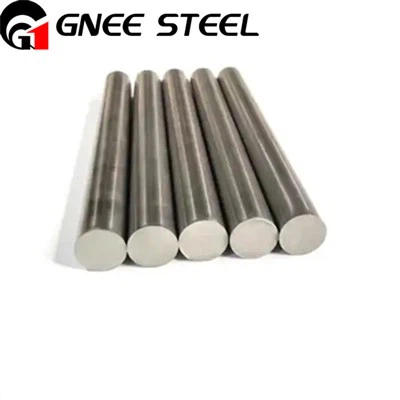
Hey there! As a copper alloys supplier, I've seen firsthand how surface treatment can have a huge impact on the performance of copper alloys. In this blog, I'll break down the different ways surface treatment affects these alloys, and why it's super important for various applications.
What is Surface Treatment?
First off, let's talk about what surface treatment is. It's a process that modifies the surface of a material to enhance its properties. For copper alloys, this can involve a bunch of different techniques like plating, coating, and heat treatment. Each method has its own unique benefits and can change the way the alloy behaves in different environments.
Corrosion Resistance
One of the most significant ways surface treatment affects copper alloys is by improving their corrosion resistance. Copper alloys are pretty good at resisting corrosion on their own, but surface treatment can take it to the next level. For example, plating copper alloys with materials like nickel or chromium can create a protective barrier that prevents corrosion. This is especially important in industries where the alloys are exposed to harsh chemicals or moisture, like the marine and chemical processing industries.
Let's say you're in the market for copper alloys for a marine application. You might be interested in Copper Nickel 70/30 Flanges Manufacturer. These flanges are made from a copper-nickel alloy that already has good corrosion resistance, but with the right surface treatment, they can last even longer in saltwater environments.
Wear Resistance
Another important aspect of surface treatment is improving wear resistance. Copper alloys are often used in applications where they are subject to friction and wear, like bearings and gears. Surface treatment can help reduce the amount of wear and tear on these alloys, increasing their lifespan and performance.
One common surface treatment for improving wear resistance is nitriding. This process involves introducing nitrogen into the surface of the alloy, creating a hard, wear-resistant layer. Nitrided copper alloys can withstand higher loads and speeds without wearing out as quickly, making them ideal for high-performance applications.
If you're looking for copper alloys with excellent wear resistance, you might want to check out Copper Nickel Bars C17510. These bars can be surface-treated to enhance their wear resistance, making them suitable for a wide range of applications.
Electrical Conductivity
Copper alloys are well-known for their excellent electrical conductivity, which makes them a popular choice in the electrical and electronics industries. Surface treatment can actually help maintain or even improve the electrical conductivity of these alloys.
For example, some surface treatments can remove impurities from the surface of the alloy, which can improve its conductivity. Additionally, certain coatings can enhance the electrical properties of the alloy by providing a more conductive path for the flow of electricity.
Aesthetic Appeal
Surface treatment can also have a big impact on the aesthetic appeal of copper alloys. In industries like architecture and jewelry, the appearance of the alloy is just as important as its performance. Surface treatment can be used to create a variety of finishes, from shiny and polished to matte and textured.
For instance, a copper alloy sheet can be treated to have a brushed finish, which gives it a modern and sophisticated look. This is great for architectural applications where the alloy is visible, like facades and interior design elements. If you're interested in copper alloy sheets with different finishes, you can check out Copper Nickel 70/30 Sheet Manufacturer.
Bonding and Adhesion
In some applications, it's important for copper alloys to bond well with other materials. Surface treatment can improve the bonding and adhesion properties of these alloys, making them easier to work with in composite materials and assemblies.
For example, surface treatments can create a rougher surface on the alloy, which provides more surface area for adhesives to bond to. This is crucial in industries like automotive and aerospace, where strong bonds between different materials are essential for the performance and safety of the products.


How to Choose the Right Surface Treatment
Now that you know how surface treatment affects the performance of copper alloys, you might be wondering how to choose the right treatment for your specific application. Well, it depends on a few factors.
First, consider the environment in which the alloy will be used. If it's going to be exposed to corrosion, you'll want a treatment that improves corrosion resistance. If it's going to be subject to wear, a treatment for wear resistance is more appropriate.
Second, think about the specific properties you need the alloy to have. Do you need it to have high electrical conductivity? Or do you want it to have a certain aesthetic appeal? Make a list of the properties that are most important to you and choose a surface treatment that can achieve those goals.
Finally, consider the cost and feasibility of the surface treatment. Some treatments can be more expensive or time-consuming than others, so you'll need to weigh the benefits against the costs.
Conclusion
In conclusion, surface treatment plays a crucial role in the performance of copper alloys. It can improve corrosion resistance, wear resistance, electrical conductivity, aesthetic appeal, and bonding properties. As a copper alloys supplier, I can help you choose the right surface treatment for your specific application.
If you're interested in purchasing copper alloys or learning more about surface treatment options, don't hesitate to reach out. We can have a chat about your needs and find the best solutions for you. Whether you're in the marine, electrical, automotive, or any other industry, we've got the expertise to provide you with high-quality copper alloys that meet your requirements.
References
-ASM Handbook Volume 5: Surface Engineering. ASM International.
- Metals Handbook: Properties and Selection: Nonferrous Alloys and Pure Metals. ASM International.