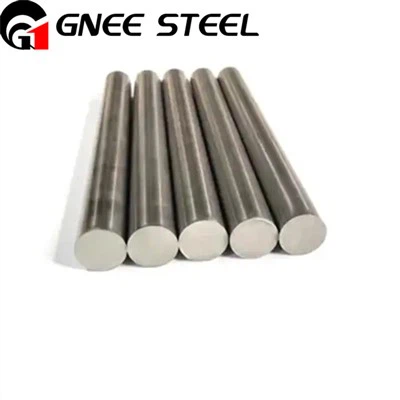
Can tungsten alloy be used in a corrosive environment?
As a supplier of tungsten alloy, I often receive inquiries from customers regarding the suitability of tungsten alloy for use in corrosive environments. This is a crucial question, as many industrial applications involve exposure to corrosive substances, and the choice of material can significantly impact the performance and longevity of equipment. In this blog post, I will delve into the properties of tungsten alloy and discuss its potential use in corrosive environments.
Properties of Tungsten Alloy
Tungsten alloy is a composite material composed primarily of tungsten, typically with the addition of other metals such as nickel, iron, copper, or cobalt. Tungsten itself is known for its exceptional hardness, high melting point, and excellent density. These properties make tungsten alloy highly desirable for a wide range of applications, including aerospace, military, electronics, and industrial manufacturing.
One of the key advantages of tungsten alloy is its high density, which can be up to 18.5 g/cm³, depending on the specific composition. This high density makes tungsten alloy ideal for applications where weight is a critical factor, such as counterweights, radiation shielding, and kinetic energy penetrators. Additionally, tungsten alloy exhibits excellent mechanical properties, including high strength, good ductility, and low thermal expansion, which contribute to its durability and reliability in various operating conditions.
Corrosion Resistance of Tungsten Alloy
The corrosion resistance of tungsten alloy depends on several factors, including the composition of the alloy, the nature of the corrosive environment, and the operating conditions. In general, tungsten itself is relatively resistant to corrosion due to the formation of a dense oxide layer on its surface, which acts as a protective barrier against chemical attack. However, the addition of other metals to the alloy can affect its corrosion resistance.
For example, tungsten-nickel-iron (W-Ni-Fe) alloys, which are commonly used in a variety of applications, exhibit good corrosion resistance in many environments. The nickel and iron in the alloy form a passive oxide layer on the surface, which helps to prevent further corrosion. These alloys are often used in marine applications, where they are exposed to saltwater, as well as in chemical processing industries, where they may come into contact with various corrosive chemicals.
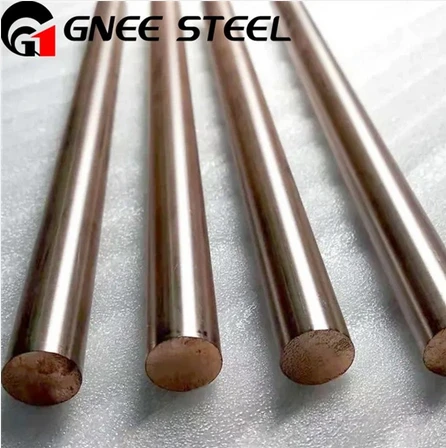
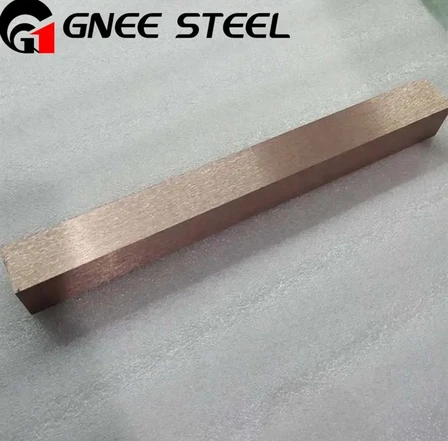
On the other hand, tungsten-copper (W-Cu) alloys, which are known for their excellent thermal and electrical conductivity, have relatively lower corrosion resistance compared to W-Ni-Fe alloys. Copper is more susceptible to corrosion than tungsten, and the presence of copper in the alloy can increase its vulnerability to chemical attack. However, Tungsten Copper Alloy Rod and High Quality Tungsten Copper Alloy Bar can still be used in certain corrosive environments with proper surface treatment or protective coatings.
Factors Affecting Corrosion Resistance
In addition to the alloy composition, several other factors can affect the corrosion resistance of tungsten alloy in a corrosive environment. These factors include:
- pH of the environment: The pH of the corrosive environment plays a significant role in the corrosion behavior of tungsten alloy. In acidic environments, the protective oxide layer on the surface of the alloy may dissolve, exposing the underlying metal to corrosion. Conversely, in alkaline environments, the oxide layer may be more stable, providing better protection against corrosion.
- Temperature: Higher temperatures can accelerate the corrosion process by increasing the rate of chemical reactions. In high-temperature corrosive environments, the protective oxide layer on the surface of the alloy may break down more quickly, leading to increased corrosion rates.
- Presence of aggressive ions: The presence of aggressive ions, such as chloride ions, in the corrosive environment can also increase the likelihood of corrosion. Chloride ions can penetrate the protective oxide layer on the surface of the alloy and cause pitting corrosion, which can lead to the formation of small holes or pits in the metal.
- Mechanical stress: Mechanical stress can also affect the corrosion resistance of tungsten alloy. Stress can cause cracks or defects in the protective oxide layer on the surface of the alloy, exposing the underlying metal to corrosion. Additionally, stress can accelerate the corrosion process by increasing the rate of diffusion of corrosive species into the metal.
Surface Treatment and Coating
To improve the corrosion resistance of tungsten alloy in a corrosive environment, various surface treatment and coating techniques can be employed. These techniques can help to enhance the protective properties of the oxide layer on the surface of the alloy and prevent the penetration of corrosive species.
One common surface treatment technique is passivation, which involves treating the alloy with an oxidizing agent to form a thicker and more stable oxide layer on the surface. Passivation can improve the corrosion resistance of tungsten alloy in many environments, particularly in those containing mild acids or alkalis.
Another approach is the application of protective coatings, such as electroplating, painting, or powder coating. These coatings can provide an additional layer of protection against corrosion by acting as a physical barrier between the alloy and the corrosive environment. For example, a nickel or chrome plating can be applied to the surface of tungsten alloy to improve its corrosion resistance in marine or chemical environments.
Applications of Tungsten Alloy in Corrosive Environments
Despite the challenges associated with corrosion, tungsten alloy can still be used in a variety of corrosive environments with proper selection, design, and maintenance. Some common applications of tungsten alloy in corrosive environments include:
- Marine applications: Tungsten alloy is used in marine applications, such as shipbuilding, offshore oil and gas exploration, and underwater equipment, where it is exposed to saltwater. The high density and good corrosion resistance of tungsten alloy make it suitable for use in ballast weights, propeller shafts, and other components that require both strength and durability in a corrosive environment.
- Chemical processing industries: Tungsten alloy is also used in chemical processing industries, where it may come into contact with various corrosive chemicals, such as acids, alkalis, and solvents. The corrosion resistance of tungsten alloy can be tailored to meet the specific requirements of the application by selecting the appropriate alloy composition and surface treatment. For example, Tungsten Heavy Alloy Bar can be used in chemical reactors, pumps, and valves, where they are exposed to corrosive chemicals at high temperatures and pressures.
- Nuclear power plants: Tungsten alloy is used in nuclear power plants for various applications, including radiation shielding and control rods. In these applications, the alloy may be exposed to high levels of radiation and corrosive chemicals, such as coolant water. The corrosion resistance of tungsten alloy is essential to ensure the safety and reliability of the nuclear power plant.
Conclusion
In conclusion, tungsten alloy can be used in a corrosive environment, but its suitability depends on several factors, including the composition of the alloy, the nature of the corrosive environment, and the operating conditions. While tungsten itself is relatively resistant to corrosion, the addition of other metals to the alloy can affect its corrosion resistance. By understanding the factors that affect the corrosion resistance of tungsten alloy and implementing appropriate surface treatment and coating techniques, it is possible to enhance its performance and durability in corrosive environments.
If you are considering using tungsten alloy in a corrosive environment, I encourage you to contact us to discuss your specific requirements. Our team of experts can provide you with detailed information about the corrosion resistance of different tungsten alloy compositions and help you select the most suitable material for your application. We also offer a wide range of tungsten alloy products, including Tungsten Copper Alloy Rod, High Quality Tungsten Copper Alloy Bar, and Tungsten Heavy Alloy Bar, which can be customized to meet your exact specifications.
References
- ASM Handbook, Volume 13A: Corrosion: Fundamentals, Testing, and Protection, ASM International, 2003.
- Metals Handbook, Volume 2: Properties and Selection: Nonferrous Alloys and Pure Metals, ASM International, 1990.
- Corrosion Resistance of Metals and Alloys, Second Edition, Marcel Dekker, Inc., 2003.